What to Eat After Professional Teeth Whitening: A Recovery Guide
What to Eat After Professional Teeth Whitening: A Recovery Guide
Last Updated: November 12, 2026
Quick Summary
After professional teeth whitening, stick to pale, low-pigment foods and lukewarm meals for the first 48 to 72 hours while your enamel pores close. Choose dairy, white rice, pasta, bananas and skinless chicken, and avoid coffee, tea, red wine, berries, tomato sauce and curry. Water and milk are the safest drinks.
- Your teeth are more porous for the first two days after whitening, so food choices matter.
- Most people feel sensitivity twinges in the first 24 to 48 hours.
- Avoid coffee, tea, red wine, cola, berries, tomato sauce, curry and soy sauce.
- After 48 to 72 hours, resume normal eating but reintroduce staining foods one at a time.
- If you slip up, rinse with plain water and wait before brushing.
Table of Contents
- Why Your Teeth Need Careful Eating After Whitening
- The White Diet Food List: Safe Choices for the First 48 Hours
- Foods to Avoid After Teeth Whitening: The Staining Offenders
- A Practical 48-72 Hour Meal Plan
- How Long Does Teeth Whitening Last, and How Food Affects It
- What to Do If You Slip Up and Eat a Staining Food
- Book Your Whitening Consultation at Smile Design Studio
- Frequently Asked Questions
Why Your Teeth Need Careful Eating After Whitening
Your teeth are more porous straight after professional teeth whitening, so what you eat in the first two days matters. The whitening gel opens the tiny pores in your tooth enamel. Those pores take time to close again.
This guide explains what to eat after professional teeth whitening treatment. We keep it simple, because the rules really are simple.
During that open window, dark pigments from food and drink can sink into the enamel. This is why a coffee straight after your appointment is a bad idea. The stain can settle before your enamel settles back down.
Tooth sensitivity is the other issue. Most people feel some twinges in the first 24 to 48 hours. Cold, hot and acidic foods tend to set it off.
The Oral Health Foundation’s advice on tooth whitening notes that sensitivity after whitening is common and usually settles. Knowing that helps you plan your meals with confidence.
The White Diet Food List: Safe Choices for the First 48 Hours
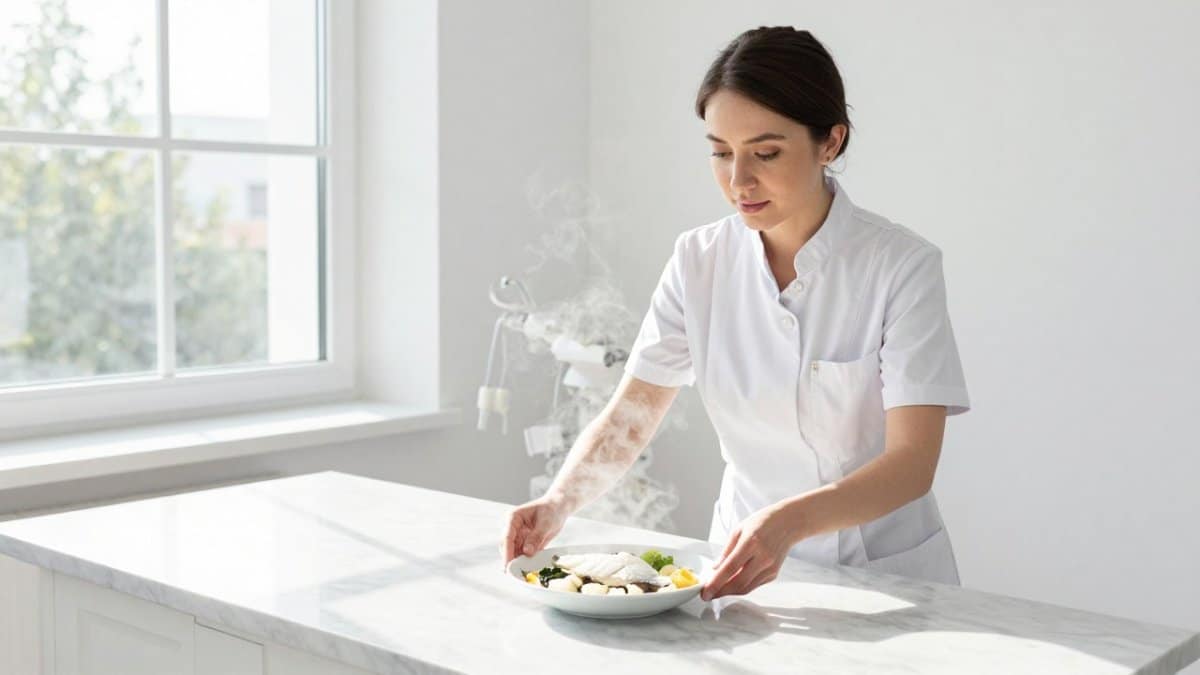
The white diet is a short-term eating plan built around pale, low-pigment foods, often suggested to limit staining while enamel settles after whitening.
Think plain, light and simple. Here is your white diet food list:
- Dairy: plain yogurt, milk, white cheese, cottage cheese
- Proteins: skinless chicken, turkey, white fish, eggs and egg whites
- Carbs: white rice, pasta, potatoes, white bread, oats and porridge
- Fruit: bananas, peeled apples, peeled pears
- Vegetables: cauliflower, peeled potatoes, white mushrooms
- Liquids: water, milk, clear broth and clear soups
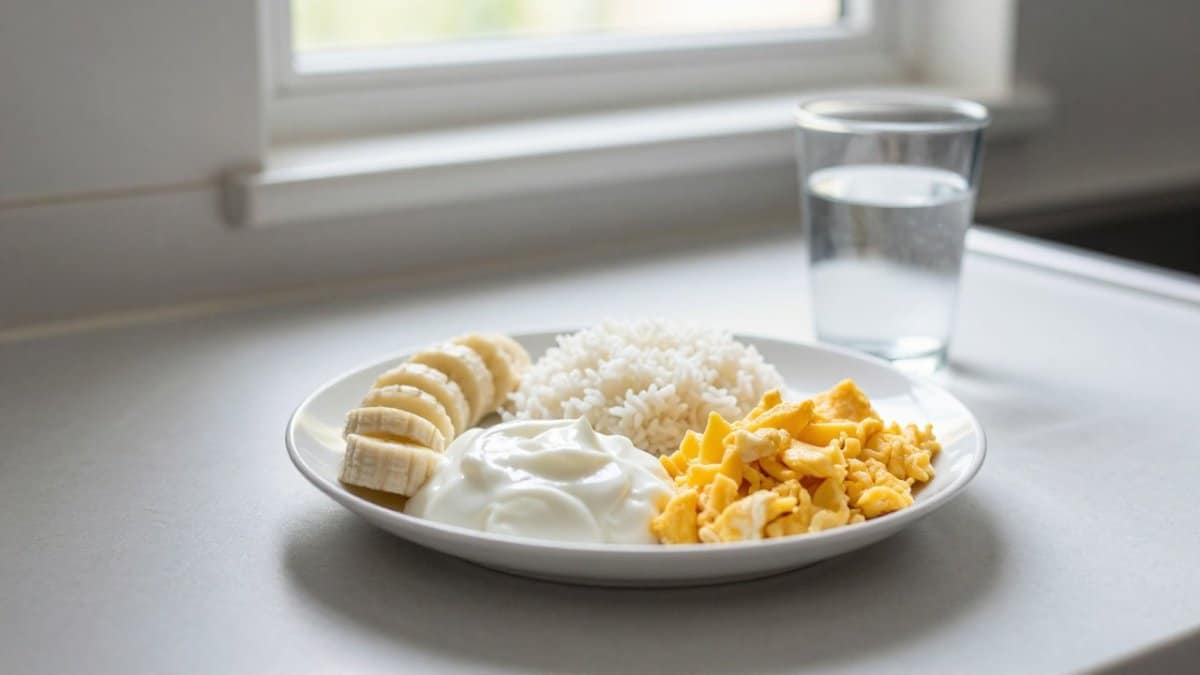
Many people find lukewarm meals more comfortable than very hot or very cold food while teeth feel sensitive.
Foods to Avoid After Teeth Whitening: The Staining Offenders
Some foods and drinks undo whitening work fast. The worst offenders are dark, acidic or strongly coloured.
Avoid these during your recovery window:
- Drinks: coffee, tea, red wine, cola, dark fruit juice
- Fruit: berries, blackcurrants, cherries, pomegranate
- Sauces: tomato sauce, curry, soy sauce, balsamic vinegar
- Other: dark chocolate, beetroot, turmeric, smoked foods
Acidic foods and acidic drinks deserve their own warning. Citrus, vinegar and fizzy drinks soften enamel further. That makes staining easier and sensitivity sharper.
Sipping hot tea in the first 48 hours is a common mistake, as it can leave a visible patch.
A Practical 48-72 Hour Meal Plan
A plan can take the guesswork out of the first three days. The aim is to keep meals pale, lukewarm and low-acid while enamel settles, with snacks and drinks planned in advance. Here is one way to structure it, with swaps for common dietary needs.
Day one (the most cautious day):
- Breakfast: porridge made with milk or a dairy-free alternative, topped with sliced banana
- Mid-morning: a glass of water and a plain biscuit if you need something
- Lunch: chicken sandwich on white bread with a little unsalted butter, water to drink
- Afternoon: plain yogurt or a dairy-free yogurt alternative
- Dinner: white fish with mashed potato and cauliflower, served lukewarm
Day two:
- Breakfast: plain yogurt with peeled pear, or porridge if you prefer something warmer
- Lunch: egg omelette with white toast and a small portion of white cheese
- Dinner: turkey with white rice and a clear broth
Day three:
- Breakfast: oats with milk and sliced banana
- Lunch: pasta with a white cheese sauce or a dairy-free white sauce
- Dinner: skinless chicken with boiled potatoes and cauliflower
Snacks that fit the window: plain crackers, white bread, banana, peeled apple, plain yogurt, cottage cheese, a small portion of white cheese, and unsalted nuts if they do not catch on sensitive gums. Keep snacks pale and low-acid rather than reaching for fruit juice or flavoured crisps.
Drinks: water is the default. Milk, clear broth and clear soups are generally suitable. Avoid fizzy drinks, fruit juices, squash, tea and coffee for the full window. If you normally drink tea, a pale herbal infusion such as chamomile, cooled to lukewarm, is one option.
Dietary swaps: if you are lactose-free or vegan, use unsweetened plant milks, coconut yogurt and dairy-free white sauces, and check that they are not coloured with caramel or fruit extracts. If you are vegetarian, replace the chicken and fish with eggs, white cheese, tofu and white beans, keeping the sauces pale. If cold foods trigger sensitivity, warm the yogurt or milk gently to room temperature rather than eating straight from the fridge.
Portions and pacing: keep portions modest and eat at a steady pace rather than grazing all day, because frequent snacking keeps pigments and acids in contact with the enamel. Sip water often through the day to rinse the mouth without adding pigment.
Watch out: a ‘white’ sauce or soup can still contain turmeric, paprika or dark stock, so check labels and ask in restaurants rather than assuming the colour tells the whole story.
Here is how the article structures the first three days of pale, lukewarm, low-acid eating.
| Day | Meals listed | Note |
|---|---|---|
| Day one | Porridge with banana, chicken sandwich, white fish with mash | Most cautious day |
| Day two | Yogurt with peeled pear, egg omelette, turkey with rice | Clear broth at dinner |
| Day three | Oats with banana, pasta with white sauce, chicken with potatoes | Skinless chicken, boiled potatoes, cauliflower |
| Snacks | Plain crackers, white bread, banana, peeled apple, plain yogurt | Keep snacks pale and low-acid |
| Drinks | Water, milk, clear broth, clear soups | Avoid fizzy drinks, juice, tea, coffee |
| Dietary swaps | Unsweetened plant milks, coconut yogurt, dairy-free white sauces | Check for caramel colouring or fruit extracts |
How Long Does Teeth Whitening Last, and How Food Affects It
How long whitening results last varies, and diet is one factor that can affect how gradually they fade as new pigments settle on the enamel.
How long teeth whitening lasts varies by person, by treatment type and by aftercare. Regular heavy coffee drinking can make results fade faster.
The white diet is not a permanent rule. It is a short recovery window. After 48 to 72 hours, you can resume eating normally, but reintroduce staining foods one at a time.
If you want more detail on aftercare and long-term care, our blog covers related dental guidance.
What to Do If You Slip Up and Eat a Staining Food
It happens. One coffee, one curry, one glass of red wine. Do not panic, and do not try to scrub the stain away. The response depends on how soon after treatment it happened and how much you consumed.
In the first hour: rinse your mouth with plain water straight away. This lifts pigment before it settles into the enamel pores. If you can, rinse again after 20 to 30 minutes. Brushing straight after an acidic drink can wear softened enamel, so it is generally advisable to wait before brushing.
After an hour: brush gently with a soft brush and a non-whitening fluoride toothpaste. Avoid whitening toothpaste for the rest of the recovery window, as it can add to sensitivity. If the food was acidic as well as dark, such as tomato sauce or red wine, wait at least 30 minutes after eating before brushing.
The next day: if you notice a dull patch or a shadow on a front tooth, keep the area clean and mention it at your review. Repeated exposure to staining foods in the first 48 hours can contribute to visible patchiness, so limiting them during this window is sensible.
If you slip more than once: treat the rest of the window as a reset. Return to the pale, lukewarm foods on the white diet list, keep drinks to water and milk, and avoid adding further staining foods until the 72-hour mark. Whitening toothpaste or home strips may increase sensitivity during this period, so check with your dentist before using them.
When to contact your dentist: if you have sharp or lingering sensitivity, notice a white or chalky patch on the gum line, or see a stain that does not fade after a few days, get in touch. Our guide to managing sensitive teeth during whitening has more on handling discomfort in this window, and your review appointment is the right place to raise any colour concerns.
Watch out: brushing hard or using a whitening toothpaste straight after a staining food is the most common way a minor slip turns into a sore, sensitive tooth.
Book Your Whitening Consultation at Smile Design Studio
Every mouth is different, and so is every recovery. A plan built around your sensitivity and your diet works better than a generic list.
At Smile Design Studio, we take a patient-centred approach with clear communication, and we aim to tailor each treatment plan to the individual.
Nervous patients are welcome, and we aim to explain each stage clearly before anything begins.
If you have sensitive teeth or previous whitening left you uncomfortable, tell us at your consultation. Our guide on why whitening causes sensitivity explains what is happening and what we can adjust.
Ready to talk it through? Book a private dental consultation and we will map out your whitening plan together.
Whitening works best when aftercare matches your daily habits. Smile Design Studio offers personalised treatment plans, a calm and modern environment, and clear guidance from consultation through to your review. Get started with Smile Design Studio and protect your results from day one.
Frequently Asked Questions
How long do I need to follow the white diet after teeth whitening?
Many people follow a white diet for around 48 to 72 hours after professional teeth whitening, as a general approach to limiting staining. Some people with higher sensitivity may choose to extend it to a week. After that, you can gradually reintroduce darker foods and drinks, but keep staining offenders like coffee and red wine to a minimum to protect your results.
Can I drink coffee after professional teeth whitening?
Avoid coffee for at least 48 to 72 hours after your treatment. Coffee is one of the most common causes of re-staining because it is dark, acidic, and often sipped slowly over time. Once the initial healing period passes, drink it through a straw, rinse with water afterwards, and limit how often you have it. If you cannot go without, limit how often you have it.
What happens if I eat coloured food after teeth whitening?
If you accidentally eat a staining food during the first 48 hours, do not panic. Rinse your mouth with water immediately to remove residue, brush gently with a soft toothbrush after 30 minutes, and avoid further staining foods for the rest of the day. Repeated exposure during the vulnerable period can dull results. Contact your dentist if you notice uneven colour or sensitivity.
How long does teeth whitening last, and can food shorten it?
How long professional teeth whitening lasts depends on your diet and oral care. Regular consumption of staining drinks like tea, coffee, and red wine, along with smoking, will shorten results. Following the white diet and maintaining good hygiene, including regular check-ups and occasional top-ups, helps extend the brightness. Your dentist can advise on a maintenance schedule suited to your habits.

Related posts