Can Worn Teeth Be Rebuilt Without Orthodontics? Causes, Treatments And Options Explained

Can Worn Teeth Be Rebuilt Without Orthodontics? Causes, Treatments And Options Explained
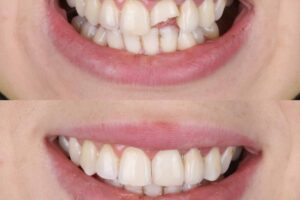
If your teeth seem shorter than they used to, have developed chips around the edges, or look flatter than they did a few years ago, you’re not imagining it. Tooth wear is a common issue that affects many adults over time.
The good news is that worn teeth can often be restored without orthodontic treatment. Depending on the cause and severity of the wear, treatments such as composite bonding, crowns, veneers and teeth whitening may help rebuild your smile while maintaining a natural appearance.
Before deciding on treatment, it’s important to understand why the wear has occurred and which options are most suitable for your situation.
Can Worn Teeth Be Rebuilt Without Orthodontics?
Yes, in many cases worn teeth can be rebuilt without braces or aligners.
If the main issue is lost tooth structure rather than tooth position, restorative treatments are often a more appropriate solution than orthodontics.
Depending on the extent of the wear, treatment may involve:
- Rebuilding worn edges with composite bonding
- Restoring heavily worn teeth with crowns
- Improving shape and symmetry with veneers
- Brightening the smile with teeth whitening
- Combining multiple treatments as part of a smile restoration plan
The right option depends on the cause of the wear, the condition of your teeth and the result you’re hoping to achieve.
What Causes Teeth To Become Worn Down?
Tooth wear is usually gradual, which means many people don’t notice it until the changes become visible.
Some of the most common causes include:
- Teeth grinding during sleep
- Jaw clenching caused by stress
- Acid erosion from fizzy drinks, citrus fruits and acidic foods
- Acid reflux
- Natural ageing and everyday wear
- Bite imbalances that place excess pressure on certain teeth
- Previous dental work that has worn unevenly
According to the Oral Health Foundation’s guidance on tooth wear, tooth wear often develops through a combination of erosion, abrasion and grinding rather than a single cause.
What Are The Signs Of Worn Teeth?
Tooth wear doesn’t always cause pain, which is why it can go unnoticed for years.
Common signs include:
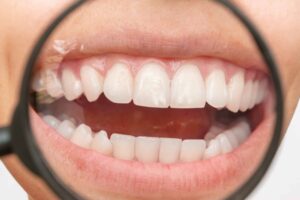
- Teeth appearing shorter than before
- Flattened or uneven biting edges
- Small chips or cracks
- Increased sensitivity
- Yellowing teeth due to enamel loss
- Uneven tooth lengths
- A smile that appears older or less defined
Many patients become aware of the issue after comparing recent photographs with older ones or noticing changes in the way their teeth look when they smile.

Does Tooth Wear Always Require Orthodontic Treatment?
No.
Orthodontics is designed to move teeth into better positions. If your teeth are already in a reasonable position but have become worn, chipped or shortened over time, other treatments may provide a more direct solution.
For example:
- Worn front teeth may be rebuilt rather than moved
- Chipped edges may be repaired using bonding
- Short teeth may be lengthened with restorative treatment
- Cosmetic improvements may be achieved without braces
This is why a thorough assessment is important before deciding on any treatment plan.
Can Composite Bonding Restore Worn Teeth?
For many patients, composite bonding is one of the most conservative ways to rebuild worn teeth.
The treatment involves carefully applying a tooth-coloured material to restore shape, length and symmetry.
Benefits can include:
- Minimal alteration to the natural tooth
- Repair of chipped or worn edges
- Improved smile balance
- Natural-looking results
- Preservation of healthy tooth structure
Many adults choose composite bonding when they want to improve worn front teeth without more extensive treatment.
When Are Crowns Used For Worn Teeth?
In some situations, teeth have lost too much structure for bonding alone to provide the best long-term solution.
Crowns may be recommended when:
- Significant wear has occurred
- Existing restorations have failed
- Teeth require additional protection
- Strength and durability are priorities
Smile Design Studio has treated patients with worn, shortened and heavily restored teeth using crown-based solutions as part of wider smile restoration plans.
Are Veneers Suitable For Worn Teeth?
Veneers can be a suitable option when the goal is primarily cosmetic improvement.
They may help improve:
- Tooth shape
- Tooth length
- Smile symmetry
- Surface appearance
- Overall smile aesthetics
For some patients, veneers provide a way to restore a youthful-looking smile while addressing the visible effects of tooth wear.
Can Teeth Whitening Help Worn Teeth Look Better?
Whitening cannot replace lost enamel or rebuild damaged teeth, but it can be an effective part of smile restoration.
Many patients choose whitening before cosmetic treatment because it can:
- Brighten the natural teeth
- Improve overall smile appearance
- Create a more youthful look
- Help future restorations blend naturally
What If I Want To Improve Worn Teeth Without Braces?
This is one of the most common questions adults ask.
Many people are not concerned about the position of their teeth. Instead, they simply want to restore what has been lost through wear, ageing or damage.
Depending on the cause of the issue, treatment may involve:
- Composite bonding
- Crowns
- Veneers
- Teeth whitening
- A combination of treatments
Exploring the available cosmetic dentistry treatments can help you understand which options may be appropriate for your goals.
Real Examples Of Smile Restoration
Every worn teeth case is different.
Some patients want to repair minor chips, while others want to restore years of wear and ageing.
Common goals include:
- Restoring lost tooth length
- Improving smile symmetry
- Rebuilding chipped edges
- Creating a brighter appearance
- Increasing confidence when smiling
You can view examples of previous treatment outcomes in the Smile Design Studio gallery and explore real patient case studies showing how different restorative and cosmetic treatments have been used to improve worn and damaged teeth.
Common Mistakes To Avoid If You Have Worn Teeth
If you’re researching worn teeth treatment, avoid these common assumptions:
- Assuming orthodontics is always necessary
- Ignoring the underlying cause of the wear
- Delaying treatment while the wear continues
- Choosing treatment based solely on cost
- Focusing on appearance without addressing function
Frequently Asked Questions About Worn Teeth Treatment
Can Worn Teeth Grow Back Naturally?
No. Once enamel has been lost, it does not grow back. However, modern dental treatments can often restore both appearance and function.
Is Tooth Wear Reversible?
The wear itself cannot usually be reversed naturally, but its effects can often be improved through restorative treatment.
What Is The Best Treatment For Worn Down Teeth?
That depends on the amount of wear present. Composite bonding, crowns and veneers can all be effective in the right circumstances.
Are Crowns Better Than Composite Bonding?
Not necessarily. Bonding may be suitable for mild to moderate wear, while crowns are often recommended when more extensive restoration is required.
Why Do Teeth Get Shorter As We Age?
Over time, natural wear, grinding, clenching and acid erosion can gradually reduce the height of the teeth, making them appear shorter.
Looking To Restore Worn Teeth?
If your teeth have become worn, chipped or shorter over time, there may be treatment options available that do not involve orthodontics.
The best solution depends on the cause of the wear, the condition of your teeth and the result you want to achieve.
To learn more about your options, explore Smile Design Studio’s cosmetic dentistry treatments, view previous results in the gallery, or browse patient case studies to see how worn teeth can be restored with modern dental treatment.
Related posts