I Have White Spots on My Teeth – Can They Be Removed or Covered?
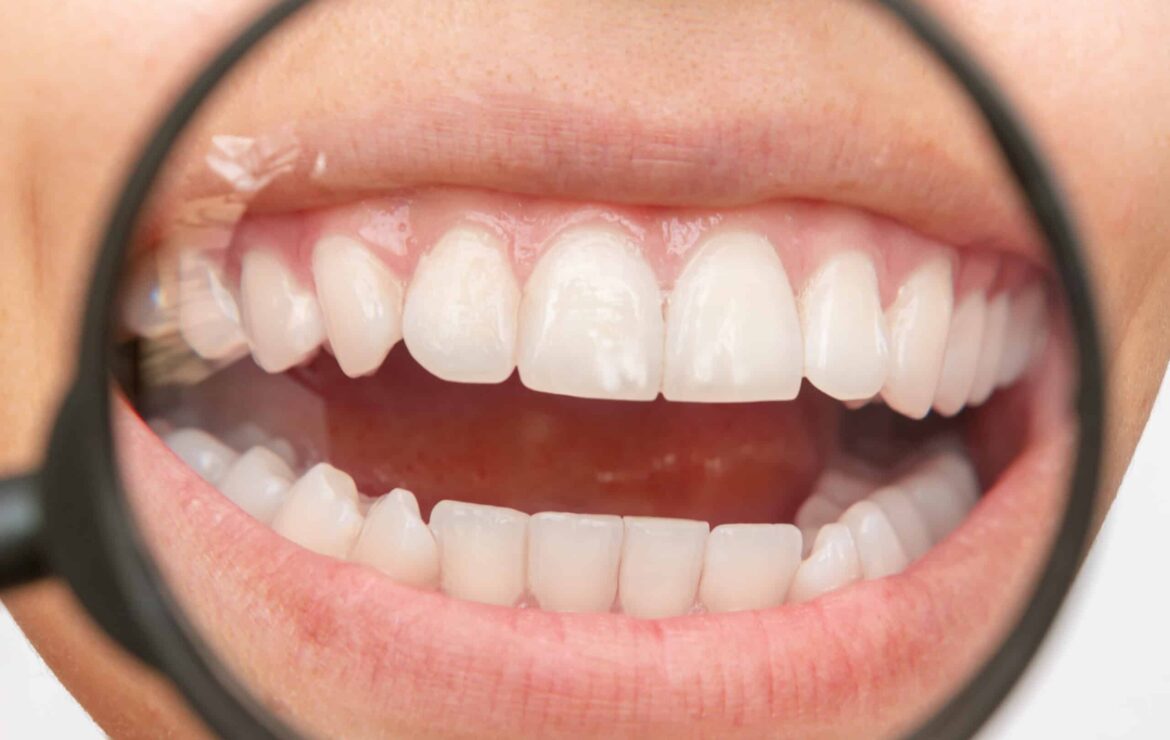
I Have White Spots on My Teeth – Can They Be Removed or Covered?
Noticed white patches or spots on your teeth that won’t go away, no matter how well you brush? You’re not alone. Many people search for solutions to white spots, not knowing what causes them — or that a fast, non-invasive cosmetic treatment might be available.
At our private dental practice in Wakefield, patients often ask us things like:
- “Are these white marks permanent?”
- “Can I get rid of them without veneers?”
- “Will whitening help or make them worse?”
In this guide, we’ll explain what white spots on teeth are, what causes them, and the most effective ways to remove or cover them — including composite bonding, a minimally invasive treatment designed to restore a smooth, natural-looking smile.
When Whitening Isn’t Enough: The Truth About White Spots
White spots can be more than a cosmetic issue. Whether you’re in a professional role, on camera regularly, or simply self-conscious about your smile, noticeable white patches can knock your confidence.
These marks often appear:
- On the front teeth (especially upper incisors)
- After orthodontic treatment (like braces)
- In early childhood but only become noticeable in adulthood
Patients we’ve treated tell us they’ve tried everything — from whitening strips to changing toothpaste — but nothing seems to even out the colour. That’s because white spots are often deeper than surface stains.
Treating them isn’t always about bleaching or polishing — sometimes, it takes a more tailored approach like composite bonding.
What Causes White Spots on Teeth?
There’s no single cause, but some of the most common triggers include:
1. Fluorosis
Too much fluoride in childhood — usually from toothpaste or water — can lead to white or chalky patches. These marks are often permanent but can be disguised.
2. Enamel Hypoplasia
A developmental condition where the enamel is thinner than usual. This can happen due to nutrition, illness, or trauma during tooth development.
3. Demineralisation (Post-Ortho Marks)
After braces are removed, you may see white lines or dots where brackets were. These are early signs of enamel damage and can stand out even more after teeth whitening.
4. Plaque Buildup or Early Decay
Not all white spots are harmless. In some cases, they can be the first sign of decay. A dental check-up is the best way to rule this out.
Options for Treating White Spots on Teeth
Option 1: Teeth Whitening
- Best for: Minor, evenly spaced spots
- Limitations: Whitening affects all teeth uniformly and may make white patches more noticeable if they’re brighter than surrounding enamel
Option 2: Microabrasion
- Best for: Superficial spots on the outer enamel layer
- Limitations: May not work on deeper lesions or long-standing white marks
Option 3: Composite Bonding
- Best for: Targeted coverage and reshaping
- What it is: A tooth-coloured resin is applied and sculpted over the affected area, blending seamlessly with your natural tooth
This is the most popular option we recommend to patients with white spots — especially those wanting a fast, non-invasive solution.
Learn more about composite bonding here.
FAQs: White Spots and Cosmetic Solutions
Will teeth whitening get rid of white spots?
No — and in many cases, it can make them appear worse. Whitening brightens the whole tooth but doesn’t fix underlying enamel issues. If your goal is an even colour, composite bonding is usually more effective.
Is composite bonding permanent?
Bonding isn’t permanent, but results can last 5–7 years or longer with good care. It can be touched up or replaced without damaging your natural teeth.
Does composite bonding damage enamel?
No. It’s non-invasive, meaning we don’t remove enamel. The material is applied on top of the existing tooth, making it a conservative cosmetic option.
How We Help You Feel Confident About Your Smile Again
We understand that white spots can be frustrating, especially when they affect your front teeth. That’s why we offer tailored consultations to assess the cause and recommend the best treatment — without pressure or judgment.
Our private dentists in Wakefield provide:
Composite bonding by skilled cosmetic dentists
Free consultations to discuss your options
A calm, modern clinic just off Leeds Road
Honest advice — including when bonding isn’t necessary
Whether you’ve had these marks for years or only noticed them after braces, we can help you feel more confident in your smile again.
Contact Our Dental Practice in Wakefield and Say Goodbye to White Spots — Without Drastic Treatments
White spots on teeth don’t have to be permanent. With the right cosmetic approach — like composite bonding — it’s possible to restore a smooth, even smile in just one appointment.
Book a free consultation with our dentists in Wakefield to find out if composite bonding is right for you.
Related posts