Airflow Cleaning: Is It Worth It?
Airflow Cleaning: Is It Worth It?
Are Airflow Cleanings Worth It?
If staining from coffee, tea, red wine or smoking is making your teeth look dull, Airflow cleaning may be worth considering. It uses a controlled stream of air, water and fine powder to remove plaque, soft deposits and surface stains from the teeth.
For many people, the main benefits are a fresher, smoother-feeling mouth and a visibly cleaner smile. However, Airflow is not a whitening treatment and cannot remove hardened tartar by itself.
Whether it is worthwhile depends on the type of staining present, your gum health and what your dental professional finds during an assessment.
When Is Airflow Cleaning Worth It?
Airflow cleaning can be worthwhile when you have noticeable external staining or plaque in areas that are difficult to clean effectively at home.
It may be particularly helpful if:
- You regularly drink tea, coffee or red wine
- You smoke or use tobacco products
- Stains collect between your teeth
- You wear braces, retainers or other dental appliances
- Your teeth feel rough despite regular brushing
- You want a professional clean before considering teeth whitening
It is less likely to create a noticeable cosmetic change if the discolouration comes from within the tooth rather than from surface staining.
What Is Airflow Cleaning?
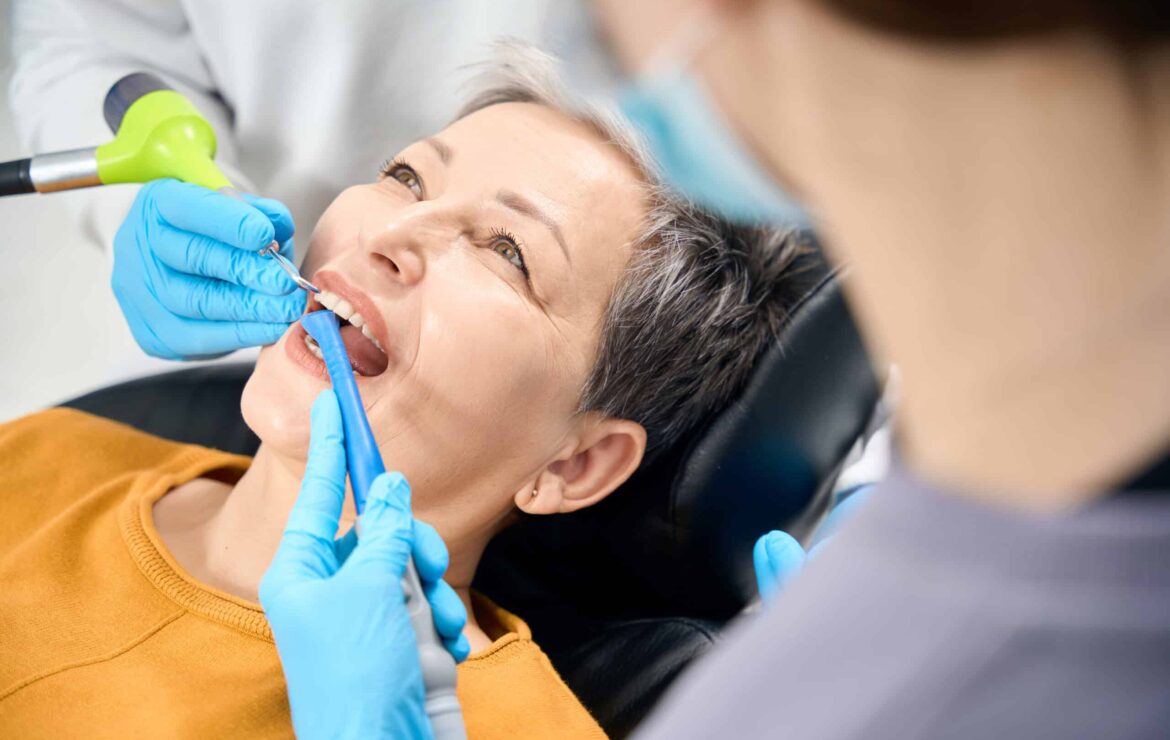
Airflow is a form of professional dental cleaning. A specially designed device directs a fine stream of water, compressed air and cleaning powder onto the teeth.
This helps remove:
- Plaque
- Soft bacterial deposits
- Food debris
- Surface staining
- Deposits around difficult-to-reach areas
The fine powder allows the clinician to clean around the gumline, between teeth and around orthodontic appliances or restorations.
Airflow may be used on its own for suitable patients or alongside scaling during a dental hygiene appointment.
How Is Airflow Different From A Scale And Polish?
Airflow, scaling and polishing perform different jobs.
Airflow Cleaning
Airflow is mainly used to remove plaque, soft deposits and external staining. It can be particularly useful around crowded teeth, braces and small spaces.
Scaling
Scaling uses manual or powered instruments to remove calculus, commonly called tartar. Calculus is hardened plaque that cannot usually be removed with brushing or Airflow alone.
Traditional Polishing
Traditional polishing uses a rotating rubber cup or brush with polishing paste to smooth selected tooth surfaces and remove some external stains.
A hygienist may combine these methods. For example, hardened calculus may be removed first before Airflow is used to clear remaining plaque and staining.
What Results Can You Expect?
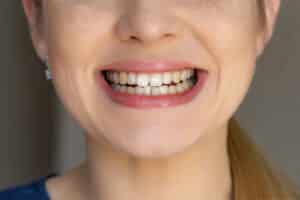
The most immediate result is usually a cleaner, smoother feeling across the teeth. Surface stains may also be reduced, making the smile appear brighter and more even.
Airflow can help remove stains caused by:
- Tea
- Coffee
- Red wine
- Tobacco
- Strongly coloured foods
- Plaque build-up
Results depend on the source and depth of the discolouration. Airflow cannot change the natural shade of your teeth or remove staining from inside the tooth.
Does Airflow Cleaning Whiten Your Teeth?
No. Airflow cleaning is not the same as teeth whitening.
Airflow removes external deposits and stains, revealing the natural tooth colour underneath. This can make the teeth look brighter, but it does not bleach or lighten the tooth itself.
Professional whitening uses a whitening agent to change pigments within the tooth structure.
In simple terms:
- Airflow removes stains sitting on the teeth
- Whitening changes the shade of the teeth
A professional clean may still be a useful first step before whitening because it removes surface deposits and allows your dental team to assess your natural tooth colour.
Is Airflow Cleaning Painful?
Most people find Airflow cleaning comfortable. It does not involve drilling, and some patients prefer the sensation to traditional polishing or scraping.
During treatment, you may notice:
- A light spraying sensation
- Water collecting in the mouth
- A slightly salty or sweet taste
- Temporary sensitivity around exposed tooth roots
- Mild tenderness if the gums are inflamed
Tell your dental professional if you have sensitive teeth, gum recession or a history of discomfort during hygiene appointments. They can assess whether Airflow is suitable and adjust the treatment where necessary.
Airflow should not be treated as a replacement for deeper gum cleaning when periodontal treatment is needed.
Can Airflow Remove Tartar?
Airflow is not generally used as the only method for removing hardened tartar.
Plaque is a soft bacterial film that forms on the teeth. If it is not removed, minerals in saliva can cause it to harden into calculus or tartar. Once hardened, scaling instruments are usually needed to remove it.
Airflow may then be used to remove remaining plaque and surface staining.
This is why a professional cleaning appointment should begin with an assessment rather than simply providing a cosmetic polish.
Who Can Benefit From Airflow Cleaning?
Airflow may be useful for people with visible surface staining or difficult-to-clean areas.
This can include:
- People with tea or coffee staining
- Smokers and former smokers
- Patients wearing braces
- People with crowded teeth
- Patients preparing for teeth whitening
- People who experience frequent plaque build-up
It may also help clean around certain crowns, fillings, bridges and orthodontic appliances. The clinician should assess the materials in your mouth and use an appropriate powder and technique.
When Might Airflow Not Be Suitable?
Airflow is not automatically suitable for everyone.
Additional care may be needed if you have:
- Significant tooth sensitivity
- Exposed root surfaces
- Inflamed or bleeding gums
- Certain respiratory conditions
- Recent dental surgery
- Open wounds in the mouth
- Allergies or sensitivities to cleaning ingredients
Your dental and medical history should be checked before treatment. If another cleaning method would be more appropriate, your dental professional should explain why.
How Long Do The Results Last?
Airflow does not permanently prevent plaque or staining from returning.
How long the cleaner appearance lasts depends on:
- How often you drink staining beverages
- Whether you smoke
- Your brushing technique
- How well you clean between your teeth
- The position of your teeth
- Your individual rate of plaque build-up
You can help maintain the result by:
- Brushing twice daily with fluoride toothpaste
- Cleaning between the teeth every day
- Rinsing with water after dark-coloured drinks
- Avoiding tobacco
- Following personalised hygiene advice
- Attending check-ups and cleaning appointments when recommended
Does Airflow Replace Brushing And Flossing?
No professional cleaning replaces daily oral hygiene.
Airflow can remove deposits present at the time of your appointment, but plaque begins forming again afterwards. Regular brushing and interdental cleaning are essential for controlling this build-up.
A hygiene appointment should also help identify areas you are missing at home. Your dental team may recommend:
- Interdental brushes
- Floss
- A single-tufted brush
- A different brushing technique
- Products for sensitive teeth
- Specific advice for cleaning around braces or restorations
The recommended frequency of professional cleaning should be based on your individual oral health rather than a fixed schedule.
Frequently Asked Questions About Airflow Cleaning
How Often Should You Have Airflow Cleaning?
There is no universal schedule. Some people may benefit from it during regular hygiene appointments, while others need it less often. The recommendation should depend on your staining, plaque levels and gum health.
Can Airflow Remove Coffee Stains?
It can often remove or reduce external coffee staining. Results vary depending on how long the stain has been present and whether any discolouration lies within the tooth.
Is Airflow Safe For Crowns, Fillings And Veneers?
It may be used around many restorations when the correct powder and technique are selected. Your clinician should assess the restorations before treatment.
Can You Eat After Airflow Cleaning?
You can usually eat afterwards unless your dental team advises otherwise. Avoiding strongly coloured foods and drinks for a short period may help maintain the freshly cleaned appearance.
Will Airflow Treat Gum Disease?
Airflow may form part of professional plaque management, but it is not a standalone treatment for gum disease. Care may also involve scaling, deeper cleaning, improved home care and regular monitoring.
So, Is Airflow Cleaning Worth It For You?
Airflow cleaning can be worthwhile if you want to remove visible surface stains, plaque or soft deposits that brushing has not cleared. It may leave your teeth feeling smoother and looking brighter, particularly if you regularly drink tea or coffee or have areas that are difficult to clean.
Its limitations are important. Airflow does not whiten the natural tooth colour, remove hardened tartar by itself or replace good daily oral hygiene.
The most useful next step is an assessment of both your teeth and gums. Smile Design Studio provides general dentistry and dental hygiene care for patients looking for practical advice about cleaning, staining and preventive care.
Related posts