5 Signs You Might Need a Root Canal

5 Signs You Might Need a Root Canal
5 Signs You Might Need a Root Canal
A root canal may be needed when the soft tissue inside a tooth, known as the pulp, becomes inflamed or infected. Common warning signs include persistent toothache, lingering sensitivity, pain when biting, swelling and changes in the colour of a tooth.
These symptoms do not automatically mean you need root canal treatment, but they should be assessed by a dentist. Some dental infections can worsen without treatment, while other conditions can cause very similar symptoms.
Which Symptoms Most Often Point To A Root Canal Problem?
The clearest signs are usually persistent or spontaneous pain, sensitivity that lingers after hot or cold foods, tenderness when biting, swelling or a gum boil, and tooth discolouration.
The British Endodontic Society also lists spontaneous pain, soreness when biting, facial swelling, tooth discolouration and persistent sensitivity among signs that root canal treatment may be necessary.
Here are five symptoms worth paying attention to.

1. Toothache That Does Not Settle
A toothache that keeps returning or develops without an obvious trigger can indicate a problem deeper inside the tooth.
You might notice:
- A dull, persistent ache
- Throbbing pain
- Pain that wakes you at night
- Discomfort that comes and goes but keeps returning
- Pain that becomes difficult to locate to one specific tooth
Decay, cracks and other dental problems can all cause toothache, so pain alone is not enough to diagnose an infected pulp.
However, the NHS confirms that root canal treatment may be recommended when tooth pain is caused by infection inside the tooth.
If your toothache persists rather than settling, arranging a dental assessment is more useful than simply waiting for it to become severe.
2. Hot Or Cold Sensitivity That Lingers
Brief sensitivity after eating ice cream or drinking something hot does not necessarily mean you need a root canal.
The more concerning pattern is when the sensation continues after the hot or cold stimulus has been removed.
For example, you take a sip of cold water and the tooth continues aching for a noticeable period afterwards.
Lingering sensitivity can indicate inflammation of the pulp, particularly when it becomes stronger or more frequent over time. The British Endodontic Society identifies enduring sensitivity to hot or cold as one possible sign that root canal treatment may be required.
A dentist may need to assess the tooth, existing fillings and surrounding tissues to identify the actual cause.
3. Pain When You Bite Or Chew
A tooth that hurts when you bite down deserves attention, especially if the problem continues or worsens.
Pain under pressure may be associated with:
- Inflammation around the tooth root
- Infection inside the tooth
- A cracked tooth
- A damaged or failing filling
- Trauma to the tooth
- Other bite-related problems
Because several problems can create similar symptoms, the important step is getting a diagnosis rather than assuming the tooth needs one particular treatment.
A dentist may examine the tooth, test how it responds and use appropriate imaging where required before recommending treatment.
4. Swelling, A Gum Boil Or Bad Taste
Swelling around a painful tooth can indicate infection and should not be ignored.
You may notice:
- Swelling in the gum
- A small raised spot or “gum boil”
- Swelling of the cheek or jaw
- An unpleasant taste in the mouth
- Difficulty chewing comfortably
- Increasing tenderness around one tooth
A dental abscess is a collection of pus caused by infection. NHS guidance states that dental abscesses require urgent dental treatment and do not go away on their own.
Depending on the source of the infection, treatment may involve root canal treatment or another dental procedure.
If you develop facial swelling, difficulty swallowing or breathing, or significant swelling inside the mouth, follow urgent NHS guidance rather than waiting for a routine appointment.
5. A Tooth Becomes Noticeably Darker
A tooth changing colour can sometimes indicate that the pulp inside it has been damaged.
This may happen following:
- Previous trauma
- A knock to the tooth
- Extensive decay
- Damage to the tooth’s internal tissues
A darker tooth does not automatically require root canal treatment. Discolouration can have several causes, so the tooth needs to be assessed properly.
However, the British Endodontic Society includes tooth discolouration among the possible signs that a root filling may be necessary.
This is particularly worth investigating if the colour change happens alongside pain, tenderness or a history of trauma.
Can You Need A Root Canal Without Toothache?
Yes.
One of the less obvious points about tooth infection is that pain is not always present.
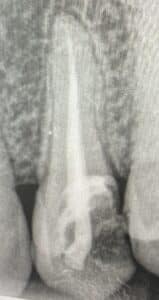
The nerve inside a badly damaged tooth may stop responding, meaning earlier pain can actually decrease even though infection remains around the root. Problems can also sometimes be discovered on a dental X-ray before a patient notices significant symptoms.
The British Endodontic Society notes that an area associated with a tooth can sometimes be identified on a radiograph without symptoms.
This is one reason regular dental examinations remain useful even when nothing hurts.
What Actually Happens When A Tooth Needs Root Canal Treatment?
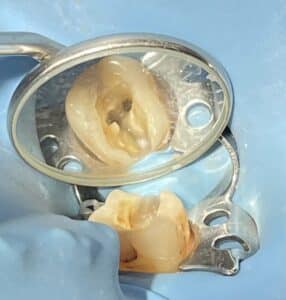
Root canal treatment is used to remove infection from inside a tooth.
In simple terms, the infected pulp is removed, the root canal system is cleaned and shaped, and the space is filled and sealed to reduce the risk of reinfection. NHS guidance explains that the aim is to remove infection while allowing the natural tooth to remain in place where possible.
Depending on the condition of the tooth, further restoration such as a filling or crown may also be required.
If you are experiencing tooth pain or other restorative problems, Smile Design Studio’s general dentistry and dental hygiene services cover assessment and treatment for a range of dental concerns.
Common Mistakes To Avoid When A Tooth Hurts
Toothache often leads people to delay treatment because the discomfort temporarily settles.
Try to avoid:
- Assuming pain disappearing means the problem has resolved
- Repeatedly relying on painkillers without arranging an assessment
- Putting aspirin or other substances directly onto the tooth or gum
- Trying to diagnose a root canal problem yourself
- Waiting for swelling to become severe before seeking help
Pain relief can help manage symptoms temporarily, but it does not remove an infection from inside a tooth.
Frequently Asked Questions About Root Canal Symptoms
Does Severe Toothache Always Mean A Root Canal?
No. Toothache can have many causes, including decay, cracks, gum problems and damaged restorations. A dentist needs to diagnose the cause before deciding whether root canal treatment is necessary.
Can A Tooth Infection Heal By Itself?
An infection inside a tooth generally requires dental treatment. A dental abscess will not resolve on its own and should receive urgent professional assessment.
Can Root Canal Treatment Save A Tooth?
Often, yes. Root canal treatment is designed to remove infected tissue while retaining the natural tooth where it can be predictably restored.
Is Root Canal Treatment Painful?
Local anaesthetic is normally used during treatment. The British Endodontic Society states that modern root canal therapy typically involves little or no discomfort, and treatment often relieves pain that was already present.
When Should Tooth Pain Be Treated As Urgent?
Seek urgent dental advice if you think you have a dental abscess, particularly if you have swelling, severe pain, fever or difficulty opening your mouth. Difficulty breathing or swallowing or extensive swelling requires emergency medical attention.
Do Not Wait For Tooth Pain To Become Severe
Having one of these symptoms does not confirm that you need a root canal, but persistent pain, lingering sensitivity, pain when biting, swelling or a discoloured tooth all warrant a proper dental assessment.
Finding the cause early may provide more treatment options and help prevent an infection or damaged tooth from becoming more difficult to manage.
If you are concerned about tooth pain, infection or an existing restoration, explore Smile Design Studio’s general dentistry and dental hygiene care and arrange an assessment if your symptoms are continuing.
Related posts