Do I Need A Dental Hygienist If I Brush Twice A Day?
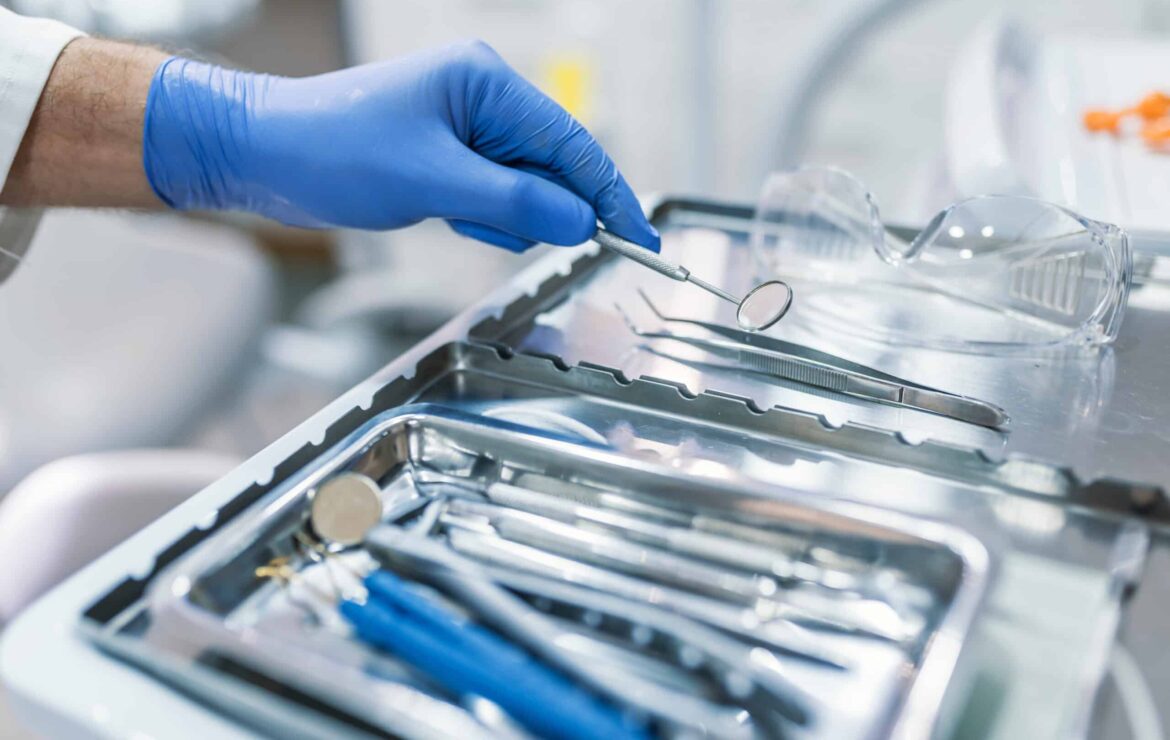
Do I Need A Dental Hygienist If I Brush Twice A Day?
Do I Need A Dental Hygienist If I Brush Twice A Day?
Brushing twice a day is essential for good oral health, but it does not always replace professional teeth cleaning.
Plaque can remain between the teeth, around the gumline and in areas that are difficult to reach. If plaque hardens into tartar, it cannot usually be removed with a toothbrush at home. A dental hygienist can remove these deposits, assess your gum health and help you improve your cleaning routine.
Not everyone needs hygiene appointments at the same frequency. The right schedule depends on your gum health, tartar levels, dental history, and how effectively you clean at home.
The Clear Answer For People With Good Oral Hygiene
You may still benefit from seeing a dental hygienist even if you brush twice daily.
A good home routine removes much of the plaque from accessible tooth surfaces, but small or awkward areas are easy to miss. Professional cleaning can remove hardened tartar and deposits that brushing cannot shift.
A hygienist can also identify where plaque is repeatedly collecting and recommend practical changes to your routine.
Professional cleaning should support daily brushing and interdental cleaning, not replace them.
Why Brushing Cannot Always Remove Everything
Brushing with fluoride toothpaste twice a day helps control plaque, reduce the risk of tooth decay and support healthy gums.
However, toothbrush bristles do not reliably clean every area, particularly:
- Between the teeth
- Around the gumline
- Behind the lower front teeth
- Around crowded or overlapping teeth
- Near crowns, bridges or braces
- On the inside surfaces of back teeth
Cleaning between the teeth with floss or interdental brushes helps reach areas a toothbrush may miss.
The difference between plaque and tartar is also important.
Plaque Can Often Be Removed At Home
Plaque is a soft, sticky film of bacteria that forms on the teeth throughout the day. Regular brushing and interdental cleaning can remove much of it.
Tartar Requires Professional Removal
If plaque remains in place, minerals in saliva can cause it to harden into calculus, commonly called tartar.
Tartar attaches firmly to the teeth and usually requires professional scaling instruments to remove it. Brushing harder will not remove tartar and may irritate the gums or damage tooth surfaces.
What Does A Dental Hygienist Do?
A dental hygienist focuses on preventive care and gum health.
Depending on your needs, an appointment may include:
- Assessing your gums
- Checking where plaque is accumulating
- Removing tartar
- Cleaning difficult areas
- Polishing selected surface stains
- Providing personalised brushing advice
- Recommending suitable interdental brushes or floss
- Supporting the prevention or management of gum disease
The purpose is not simply to polish the teeth. A useful hygiene appointment should help you understand what is happening in your mouth and how to maintain the result at home.
Can Professional Teeth Cleaning Help Prevent Gum Disease?
Professional teeth cleaning can form part of gum disease prevention and management.
Gum problems often begin when plaque remains around the gumline. Early signs can include:
- Bleeding during brushing
- Red or swollen gums
- Persistent bad breath
- Gum tenderness
- Gum recession
- An unpleasant taste
Removing plaque and tartar can make the teeth easier to clean. Personalised advice can also help reduce future build-up.
However, professional cleaning cannot compensate for ineffective daily care. Plaque begins forming again after treatment, so regular brushing and interdental cleaning remain essential.
More advanced gum disease may require further assessment and a different treatment approach rather than a routine clean alone.

What Is The Difference Between A Check-Up And A Hygiene Appointment?
A dental check-up and a hygiene appointment have different purposes.
Dental Check-Ups
A dentist assesses your wider oral health and looks for issues such as:
- Tooth decay
- Cracked or damaged teeth
- Failing fillings
- Gum problems
- Bite-related concerns
- Changes in the soft tissues of the mouth
Hygiene Appointments
A hygiene appointment focuses more closely on plaque control, tartar removal, gum health and preventive advice.
One appointment does not automatically replace the other. Teeth can feel clean while decay or another dental problem is still present. A check-up may also identify tartar or gum inflammation that would benefit from hygiene care.
Where Do Scaling, Polishing And Airflow Fit In?
Professional teeth cleaning can involve different methods.
Scaling
Scaling uses manual or powered instruments to remove hardened tartar from the teeth.
Traditional Polishing
Polishing can smooth selected tooth surfaces and reduce some external staining.
Airflow Cleaning
Airflow cleaning uses a controlled stream of air, water and fine powder to remove plaque, soft deposits and certain surface stains.
It may be useful for staining caused by tea, coffee, tobacco or strongly coloured foods, as well as deposits in difficult areas. However, Airflow is not teeth whitening and does not usually replace scaling when hardened tartar is present.
The method used should depend on your oral health and the type of deposits found.
Signs You May Benefit From A Hygiene Appointment
You may benefit from professional teeth cleaning if:
- Your gums bleed when you brush or floss
- You can see tartar near the gumline
- Your teeth feel rough in certain areas
- You have persistent bad breath
- Plaque builds up around crowded teeth
- You find cleaning between the teeth difficult
- You wear braces or another dental appliance
- You have visible surface staining
- You have previously had gum disease
- Your dentist has recommended hygiene support
Arrange a dental assessment rather than relying only on cleaning if you have toothache, swelling, a loose tooth or worsening sensitivity.

How Often Should You See A Dental Hygienist?
There is no single interval that is right for everyone.
The recommended frequency may depend on:
- Your gum health
- How quickly tartar forms
- Your history of gum disease
- Whether your gums bleed
- How effectively you clean between the teeth
- Crowding or dental restorations
- Smoking
- Relevant medical conditions
- Whether you wear braces
Someone with healthy gums, little tartar and effective home care may need appointments less often than someone receiving ongoing support for gum disease.
Your dental professional should explain why a particular interval is being recommended.
How To Improve Your Daily Cleaning Routine
Good home care can reduce plaque build-up and help maintain the result of a hygiene appointment.
A practical routine includes:
- Brushing twice daily with fluoride toothpaste
- Brushing for around two minutes
- Cleaning every tooth surface
- Cleaning between the teeth every day
- Using correctly sized interdental brushes where appropriate
- Avoiding rinsing immediately after brushing
- Replacing a worn toothbrush or brush head
- Asking for advice if certain areas are difficult to reach
Do not avoid an area simply because the gums bleed. Bleeding can indicate inflammation caused by plaque, although other causes are possible. Clean gently and seek professional advice if it continues.
Frequently Asked Questions About Dental Hygienists
Do I Need A Dental Hygienist If My Gums Do Not Bleed?
Possibly. Healthy-looking gums are encouraging, but plaque and tartar can still collect in difficult areas without causing obvious symptoms.
Can A Hygienist Remove All Tartar In One Appointment?
That depends on how much tartar is present and whether there are deeper deposits linked to gum disease. Some patients may need more than one appointment.
Does Professional Teeth Cleaning Hurt?
Many routine cleaning appointments are comfortable. Inflamed gums, sensitivity or heavier deposits can make some areas tender, so tell the hygienist if you are concerned.
Can A Hygienist Make My Teeth Whiter?
Removing surface stains may make the teeth look cleaner and brighter, but professional cleaning does not change the natural internal shade of the teeth.
Does Mouthwash Replace A Hygiene Appointment?
No. Mouthwash does not remove hardened tartar and should not replace brushing, interdental cleaning or professional care when needed.
Should You Book Professional Teeth Cleaning?
Brushing twice a day is essential, but it may not remove plaque from every surface or deal with tartar that has already hardened.
A dental hygienist may be helpful if you have tartar, bleeding gums, persistent plaque, surface staining or areas that are difficult to clean. Professional care can also provide an individual assessment and practical guidance suited to your mouth.
Smile Design Studio provides general dentistry and dental hygiene care for patients who want to understand their gum health and improve their preventive routine.
To discuss whether a hygiene appointment or dental check-up may be appropriate, contact Smile Design Studio.
Related posts