Managing Sensitive Teeth During Whitening
Managing Sensitive Teeth During Whitening
Table of Contents
- Why Whitening Causes Sensitive Teeth
- How Long Does Teeth Whitening Sensitivity Last
- Preparing Your Teeth Before Whitening Treatment
- Best Desensitising Toothpaste for Whitening
- Immediate Relief Strategies for Sensitive Teeth
- GDC Regulations on Teeth Whitening and Professional Oversight
- Long-Term Maintenance and Remineralization After Whitening
- Frequently Asked Questions
Last Updated: September 29, 2026
Why Whitening Causes Sensitive Teeth
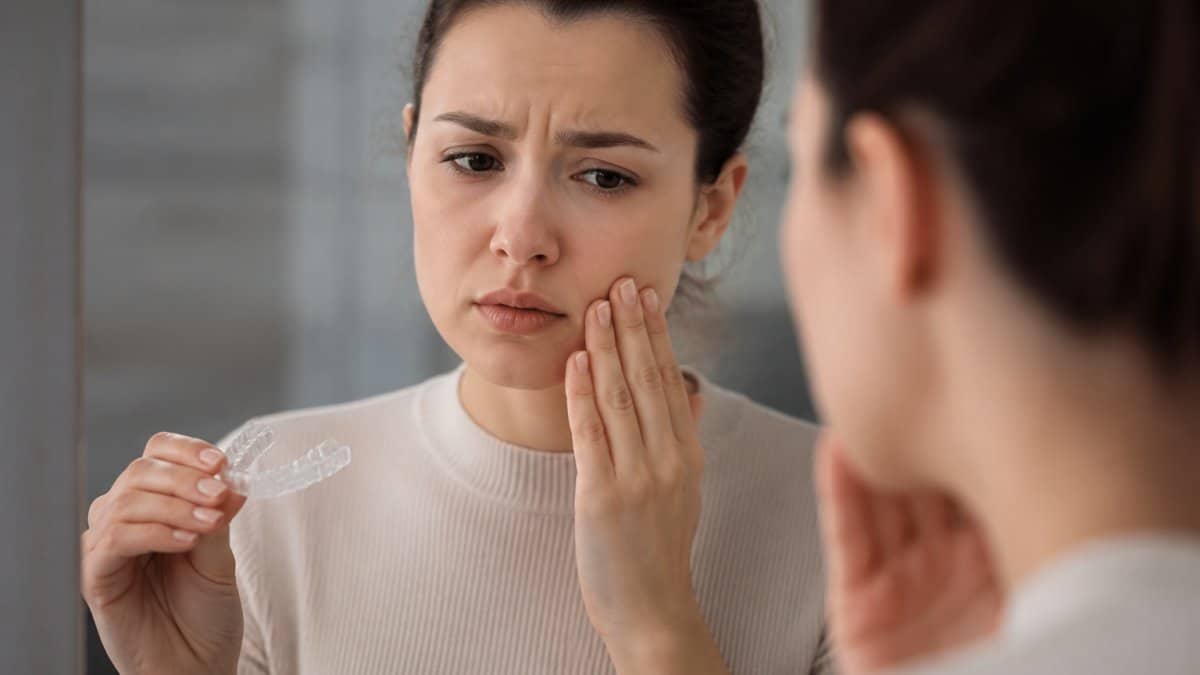
Sensitive teeth whitening can leave your teeth feeling uncomfortable or painful. Understanding why this happens helps you prepare and manage it effectively.
Whitening treatments work by using bleaching agents like hydrogen peroxide or carbamide peroxide. These chemicals penetrate the enamel to break down stains. The problem is that they can also irritate the dentin underneath.
Your tooth has three layers. The outer layer is enamel, which is hard and protective. Below that sits dentin, which contains tiny tubes. These tubes connect directly to the nerve inside your tooth (the pulp). When enamel wears thin or develops micro-cracks, the bleaching gel can reach the dentin and irritate those nerve endings. That irritation causes the sharp pain or sensitivity you feel.
Gum irritation adds another layer of discomfort. If the whitening gel touches your gum tissue, it can cause inflammation and tenderness. The bleaching agents are strong chemicals, and soft tissue reacts quickly to them.
Some people’s teeth are naturally more porous than others. If your enamel is thinner or you have existing enamel damage, you’re more likely to experience sensitivity. Previous whitening treatments, aggressive brushing, or acidic foods can all thin your enamel over time.
The best way to manage sensitivity is to prevent it before you start whitening. Preparation matters far more than trying to fix the problem after it starts.
How Long Does Teeth Whitening Sensitivity Last
Sensitivity after whitening typically lasts from a few days to two weeks, depending on how aggressive the treatment was and your tooth structure.
Most people notice the worst discomfort in the first 24-48 hours after treatment. The bleaching agents need time to stop working and for your tooth structure to stabilize. Your body gradually remineralizes the enamel and the irritation fades.
If you used a professional whitening treatment at a dental practice, sensitivity often resolves faster than with at-home kits. Professional treatments are controlled and supervised, which means less risk of overexposure. At-home trays can sit on your teeth for longer periods, sometimes causing more irritation.
The timeline also depends on your starting point. If your teeth were already sensitive before whitening, recovery takes longer. Your nerves are already inflamed, so any additional irritation compounds the problem.
A few people experience lingering sensitivity for several weeks. This usually happens when someone repeated whitening treatments too close together or used very strong bleaching concentrations. Giving your teeth proper recovery time between treatments prevents this.
Plan your whitening treatment for a time when you can avoid very hot or cold foods and drinks for at least a week. This simple step cuts sensitivity time in half for most people.
Preparing Your Teeth Before Whitening Treatment
What you do before whitening matters as much as what you do after. The right preparation reduces sensitivity dramatically.
Start by visiting a dental professional at least one week before your planned whitening. A dentist or hygienist can assess your enamel thickness, check for micro-cracks, and identify any exposed dentin. At Smile Design Studio, we examine your teeth carefully before recommending a whitening approach that suits your specific needs. If your enamel is already thin or damaged, we might suggest a gentler treatment or recommend waiting until we’ve done some remineralization work first.
Brush gently for the week leading up to treatment. Use a soft-bristled toothbrush and avoid aggressive scrubbing. Hard brushing can micro-abrade your enamel and make it more porous, which increases sensitivity risk.
Avoid acidic foods and drinks for several days before whitening. Acidic substances temporarily soften enamel and make it more permeable to bleaching agents. Skip citrus fruits, fizzy drinks, wine, and vinegar-based foods. Even sports drinks and energy drinks count as acidic.
If you have existing tooth sensitivity, use a desensitizing toothpaste for 2-3 weeks before your treatment. This gives your tooth structure time to build up a protective layer. Look for products containing potassium nitrate or sodium fluoride, which block sensation at the nerve level.
Floss daily but gently. You want healthy gums before whitening, but aggressive flossing can irritate them. Healthy gums are less likely to be damaged by whitening gel.
Consider a professional cleaning 1-2 weeks before whitening. Plaque and tartar buildup can block bleaching agents from working evenly, and they also increase sensitivity. A clean tooth surface whitens more effectively and more evenly.
Best Desensitising Toothpaste for Whitening
Desensitizing toothpaste reduces sensitivity by blocking the sensation pathway from your tooth surface to the nerve. Look for products that contain potassium nitrate, which is the most widely used active ingredient for this purpose.
Potassium nitrate works by numbing the nerve endings inside your tooth. It doesn’t fix the underlying problem, but it stops the pain signal from reaching your brain. Most people feel relief within a few days of regular use.
Fluoride is another key ingredient to look for. It strengthens enamel and helps remineralize micro-damaged areas. Some desensitizing toothpastes combine potassium nitrate with fluoride for dual action.
Sodium fluoride is a common alternative to potassium nitrate. It’s slightly less effective for acute sensitivity, but it’s excellent for long-term enamel protection. Many dentists recommend sodium fluoride products for people who plan to whiten regularly.
Hydroxyapatite is gaining popularity as a natural desensitizing ingredient. It mimics the mineral structure of your tooth and helps repair micro-cracks in the enamel. If you prefer plant-based or less chemical-sounding products, look for hydroxyapatite.
Avoid whitening toothpastes while managing sensitivity. Regular whitening pastes contain abrasive particles that can worsen sensitivity by thinning enamel further. Save whitening for after your sensitivity has resolved.
Use your desensitizing toothpaste twice daily, starting at least two weeks before whitening. For maximum effect, leave it on your teeth for a full two minutes when you brush. Some people find it helpful to apply a small amount directly to sensitive areas and leave it for 30 seconds before rinsing.
Do not switch to a harsh or whitening toothpaste while you’re managing sensitivity. This will undo all your desensitizing work and make pain worse.
Immediate Relief Strategies for Sensitive Teeth
If you’re already experiencing sensitivity after whitening, these strategies provide fast relief.
Use warm water, not cold. Thermal sensitivity is one of the worst parts of post-whitening discomfort. Avoid ice-cold water, cold drinks, and ice cream for at least a week. Rinse your mouth with lukewarm water instead. Warm water feels soothing and won’t trigger nerve pain.
Take over-the-counter pain relief. Ibuprofen or acetaminophen can reduce both the inflammation and the pain signal. Take these as directed on the package, starting immediately after whitening if you know you’re sensitive. Don’t wait for pain to build.
Apply a fluoride gel. Your dentist can provide a prescription fluoride gel that you apply directly to sensitive teeth. Leave it on for 5-10 minutes. This remineralizes the enamel surface and reduces sensitivity quickly. Over-the-counter fluoride gels work too, though they’re slightly less concentrated.
Avoid acidic foods and drinks. This is critical during the sensitivity window. Acidic substances soften enamel temporarily and make sensitivity worse. Skip citrus, fizzy drinks, wine, and vinegar. Even sports drinks are too acidic.
Don’t use a straw for hot drinks. You might think a straw protects your teeth from heat, but it actually directs the liquid straight at your sensitive areas. Drink warm beverages directly from a cup and let them cool slightly first.
Apply a desensitizing gel overnight. Some products are designed to be left on your teeth while you sleep. They provide hours of continuous relief and work while your saliva can’t wash them away.
Avoid whitening strips and trays during recovery. It’s tempting to continue whitening while you’re managing sensitivity, but this extends the problem. Give your teeth at least one week of rest before any additional whitening.
Rinse gently with salt water. Mix a quarter teaspoon of salt in warm water and rinse for 30 seconds. Salt water reduces inflammation in your gums and creates a soothing environment for your teeth.
GDC Regulations on Teeth Whitening and Professional Oversight
Teeth whitening in the UK is regulated by the General Dental Council (GDC) and governed by specific professional standards.
Only registered dental professionals can legally perform teeth whitening treatments (Tooth whitening and illegal practice). This includes dentists and, in some cases, dental hygienists and therapists working under the supervision of a dentist. Non-dental practitioners offering whitening services are breaking the law. This regulation exists to protect your safety and ensure proper assessment of your teeth before treatment.
Bleaching agents used in professional whitening are restricted by law.
Professional whitening through a registered dental practice is best for anyone with existing sensitivity, thin enamel, or previous whitening damage. The professional assessment and controlled treatment reduce risk significantly.
Long-Term Maintenance and Remineralization After Whitening
Your teeth need active care after whitening to prevent lasting damage and maintain results.
Frequently Asked Questions
What should I do if teeth whitening causes sensitivity?
Stop whitening temporarily and use a desensitising toothpaste containing potassium nitrate or fluoride. Rinse with warm water, avoid acidic foods and drinks, and take over-the-counter pain relief if needed. If sensitivity persists beyond a few days, contact your dental professional. They can assess whether your enamel has been compromised and recommend a gentler whitening approach tailored to your teeth.
How long does teeth whitening sensitivity last after treatment?
Sensitivity typically subsides within 24 to 48 hours after professional whitening, though some people experience discomfort for up to a week. At-home whitening may cause longer-lasting sensitivity depending on the concentration of bleaching agents and how frequently you use the treatment. Using desensitising products before, during, and after whitening significantly reduces duration and severity. If sensitivity extends beyond two weeks, consult your dentist to rule out enamel damage or gum recession.
Can I use desensitising toothpaste before starting a whitening treatment?
Yes, and it’s recommended. Start using desensitising toothpaste containing potassium nitrate or fluoride at least one week before whitening to build protection. These products block pathways to the nerve endings in your dentin, reducing pain during and after treatment. Continue using them for at least two weeks after whitening. However, avoid whitening toothpastes themselves before professional treatment, as they may over-sensitise your teeth when combined with bleaching agents.
What are the GDC regulations on teeth whitening treatments?
In the UK, the General Dental Council (GDC) regulates teeth whitening to ensure patient safety. Only registered dental professionals can legally provide professional whitening treatments using higher-concentration bleaching agents. Over-the-counter products must comply with the Whitening Products Regulations, which limit hydrogen peroxide to 0.1% in retail products. Professional treatments under GDC-regulated supervision can use up to 6% hydrogen peroxide or equivalent, ensuring better results with proper monitoring for adverse effects like sensitivity and gum irritation.
Related posts