Fix Uneven Veneers: A Step-by-Step Guide
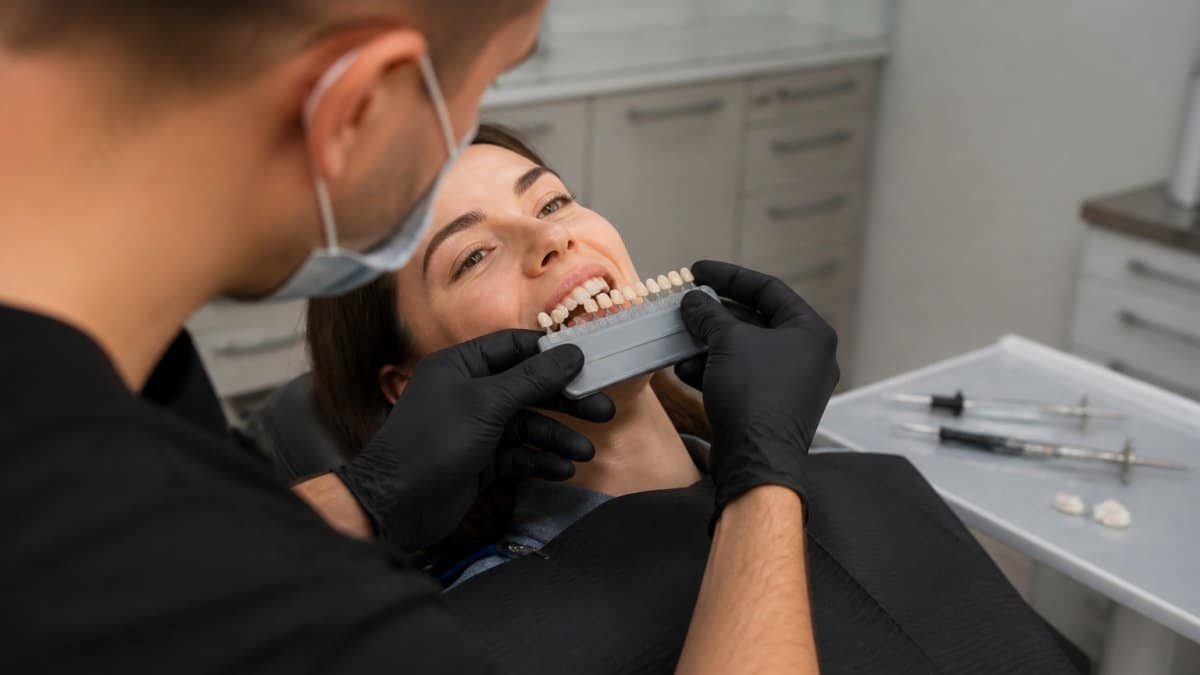
Fix Uneven Veneers: A Step-by-Step Guide
Table of Contents
- Assessing Your Uneven Veneers: What’s Actually Wrong
- Dental Problems Veneers Can Address
- Veneers Too Long: Adjustment and Modification Options
- When Veneers Are Affecting Your Bite: Causes and Solutions
- Veneers Replacement Options: When Repair Isn’t Enough
- Step-by-Step: Getting Your Uneven Veneers Fixed
- Repairing or Replacing Damaged Veneers
- Questions to Ask Your Dentist and When to Seek a Second Opinion
- Frequently Asked Questions
Last Updated: October 4, 2026
Assessing Your Uneven Veneers: What’s Actually Wrong
If you need to fix uneven veneers, you’re not alone. Many patients get veneers expecting a perfect smile, only to find the results don’t match what they imagined.
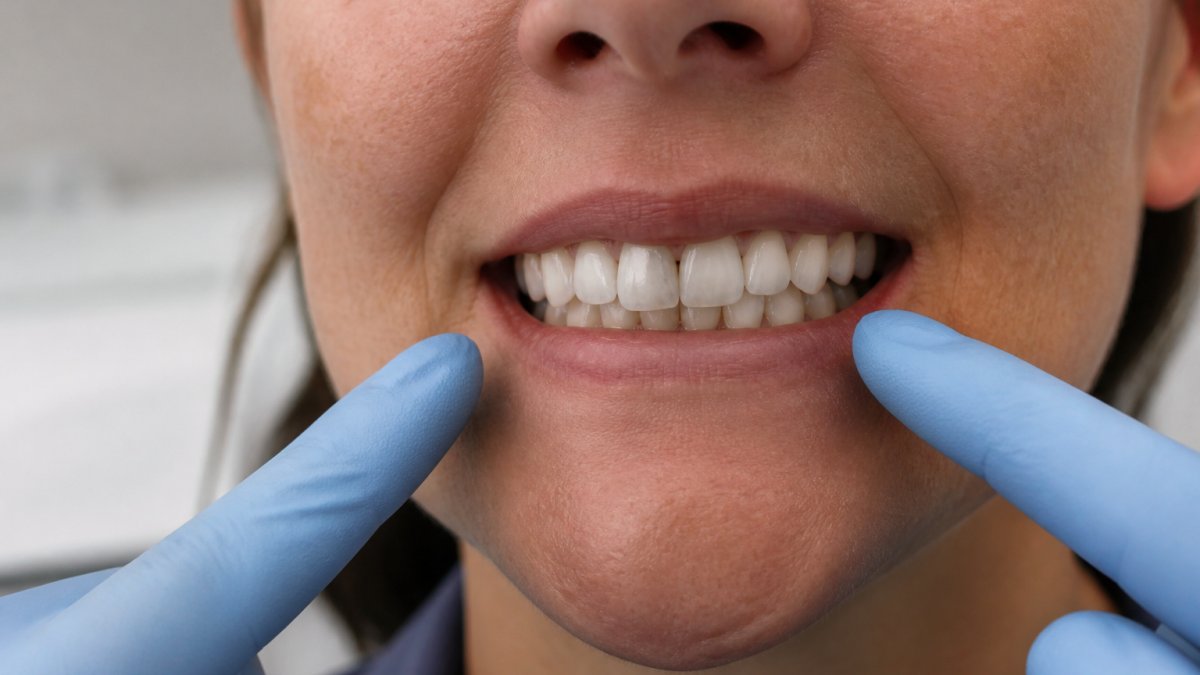
Uneven veneers can stem from several causes. Sometimes the veneers themselves are poorly shaped. Other times, the underlying tooth preparation wasn’t done correctly. In some cases, the bite alignment shifted after placement.
Common signs of uneven veneer results
You might notice one or more of these issues:
- Veneers that look too long compared to your natural teeth
- Uneven tooth length across your front teeth
- Gaps appearing between veneers and natural teeth
- Veneers that don’t match the natural contour of your smile
- One veneer sitting higher or lower than its neighbours
- Chipped or cracked edges on existing veneers
- Veneers that feel uncomfortable when you bite down
These problems affect both how your smile looks and how it feels. A veneer that’s too long can make chewing awkward. Uneven contours throw off your entire smile balance.
Distinguishing veneer problems from bite or gumline issues
Here’s where it gets tricky: not every smile problem is a veneer problem.
Your bite alignment and gumline position also affect how veneers appear. If your gums are uneven, even perfect veneers will look off. If your bite has shifted, veneers might feel uncomfortable even if they look fine.
Ask yourself these questions:
- Do the veneers feel uncomfortable when you chew?
- Has your bite changed since the veneers were placed?
- Are your gums at different heights across your front teeth?
- Do the veneers look uneven, or does your bite feel uneven?
- Have you experienced any tooth movement or shifting?
A qualified dentist can distinguish between a veneer problem and a bite or gumline issue. Sometimes you need veneer adjustment. Sometimes you need bite correction. Often, you need both.
Dental Problems Veneers Can Address
Veneers solve many cosmetic and structural issues. Understanding what veneers can fix helps you decide whether adjustment, repair, or replacement is your best option.
Veneers work well for:
- Stained or discoloured teeth that don’t respond to whitening
- Chipped or cracked teeth that need reshaping
- Gaps between teeth that orthodontics didn’t close
- Uneven tooth shape or length that affects your smile balance
- Irregularly shaped teeth that need smoothing or contouring
- Worn teeth from grinding or acid erosion
- Minor bite issues where teeth overlap slightly
The key word here is “minor.” Veneers improve appearance and can address small functional issues. They don’t fix serious bite problems or major tooth misalignment.
This is why your initial consultation matters. A thorough assessment identifies whether your problem is cosmetic, functional, or both. The right fix depends on that diagnosis.
Veneers Too Long: Adjustment and Modification Options
One of the most common complaints is that veneers feel or look too long.
This happens for several reasons. Sometimes the dentist over-corrected a short tooth and made the veneer too prominent.
If your veneers are too long, you have options:
Polishing and filing, A dentist can carefully polish and file the veneer surface to shorten it slightly. This is reversible and non-invasive. The veneer stays in place. This works best when the veneer needs only minor adjustment (1-2 millimetres).
Veneer reshaping, The dentist can reshape the veneer’s contour and length more aggressively than simple filing.
The choice depends on how much adjustment you need and your budget. Minor adjustments cost less and take one visit.
When Veneers Are Affecting Your Bite: Causes and Solutions
Veneers that affect your bite create real problems. You might feel pressure when chewing. Your jaw might feel tense.
This happens when:
- Veneers are too thick or too long
- The veneer surface doesn’t align with your natural bite pattern
- Veneers were placed without checking your bite alignment first
- Your bite shifted after veneer placement (from other dental work, orthodontics, or natural changes)
If your veneers are affecting your bite, your dentist needs to adjust them.
The risk here is permanent. If veneers stay misaligned for months or years, they can wear down your natural teeth or shift your bite further.
We check your bite before, during, and after veneer placement. If something feels off, we adjust it immediately rather than waiting for problems to develop.
Veneers Replacement Options: When Repair Isn’t Enough
Sometimes your uneven veneers can’t be fixed with adjustment or repair alone. Replacement becomes the better choice.
You might need replacement if:
- Multiple veneers are poorly shaped or proportioned
- Veneers are cracked, chipped, or damaged beyond safe repair
- The underlying tooth preparation was done incorrectly
- Veneers are stained or discoloured and can’t be whitened
- Your smile goals have changed since the original veneers were placed
Replacement gives you a fresh start. A new set of veneers can be designed to match your current smile goals and tooth proportions.
Comparing reversibility, costs, and timelines
The path you choose, adjustment, repair, or replacement, affects both cost and timeline.
| Approach | Reversibility | Timeline | Typical Visits |
|---|---|---|---|
| Polishing/filing | Permanent (material removed) | 1 visit | 1 |
| Veneer reshaping | Permanent (veneer modified) | 1-2 visits | 1-2 |
| Single veneer replacement | Permanent (veneer removed) | 2-3 visits | 2-3 |
| Full veneer replacement | Permanent (all veneers removed) | 3-4 visits | 3-4 |
Adjustment is fastest and cheapest. You get results in one appointment. But it’s permanent, once material is removed, you can’t put it back.
Replacement takes longer. You need time for tooth preparation, veneer fabrication, and placement. But you get a completely new result tailored to your current goals.
Cost varies based on how many veneers need replacement and the materials used. Porcelain veneers cost more than composite but last longer and resist staining better.
Step-by-Step: Getting Your Uneven Veneers Fixed
The process of fixing uneven veneers follows a clear path. Knowing what to expect helps you feel confident about moving forward.
Step 1: Document the problem with photos and notes
Before your appointment, take clear photos of your smile from the front and sides. Note which teeth look uneven and why. Does one veneer look too long? Do they look crooked? Does your bite feel off?
Write down when you first noticed the problem. Has it been getting worse? Did it start immediately after placement or develop over time?
This documentation helps your dentist understand your concerns. It also creates a baseline for before-and-after comparison once treatment is complete.
Step 2: Schedule a consultation and raise your concerns
Book a consultation specifically to address your veneer concerns. Don’t wait or hope the problem goes away.
During the consultation, show your dentist the photos. Explain exactly what bothers you. Be specific: “The left front tooth looks longer than the right” is more helpful than “my smile looks weird.”
Your dentist will examine your veneers, check your bite, and assess your gumline. They’ll identify whether the problem is the veneer itself, your bite, or something else.
Step 3: Discuss options, timelines, and risks with your dentist
Once your dentist understands the problem, they’ll explain your options. You might hear about adjustment, repair, or replacement. Each option has different timelines and outcomes.
Ask about:
- How long each option takes
- What the result will look like
- Whether the fix is reversible
- What risks exist with each approach
- Whether your natural teeth need any preparation
Don’t rush this conversation. A good dentist takes time to explain and answer questions.
Step 4: Explore adjustment, repair, or replacement
Based on your dentist’s recommendation, you’ll move forward with the chosen approach. If adjustment is possible, it might happen during the same visit. If replacement is needed, you’ll schedule a separate appointment for tooth preparation.
During this phase, your dentist will show you what the result will look like. Some practices use digital imaging to preview your new smile before any work begins.
Step 5: Review the treatment plan before proceeding
Before any permanent work happens, review the full treatment plan. Understand what will be done, how many visits it requires, and what the final result should look like.
Ask to see before-and-after images of similar cases. This gives you realistic expectations.
Once you’re satisfied with the plan, you can move forward with confidence.
Repairing or Replacing Damaged Veneers
Beyond uneven results, veneers can chip, crack, or break. Damage usually happens from trauma (biting something hard, a fall, an impact) or from veneers that are already weak.
If your veneer is chipped or cracked, repair options depend on the damage severity:
Small chips, A dentist can often repair a small chip with composite bonding. The dentist applies tooth-coloured material to the damaged area, shapes it, and polishes it smooth. This is quick and affordable but may not match the veneer perfectly long-term.
Large cracks, A veneer with a large crack usually needs replacement. Cracks spread over time and can weaken the entire veneer.
Veneer separation, If a veneer has pulled away from the tooth, it needs to be removed and replaced.
Damaged veneers should be addressed quickly. A cracked or separated veneer exposes the underlying tooth to decay and sensitivity.
Questions to Ask Your Dentist and When to Seek a Second Opinion
Before committing to veneer adjustment or replacement, ask these questions:
- What caused my veneers to become uneven?
- Can this problem be fixed with adjustment, or do I need replacement?
- What will the result look like? Can you show me before-and-after images?
- How long will the fix last?
- What are the risks of this approach?
- What happens to my natural teeth during this process?
- Will I need temporary veneers while new ones are being made?
- How do I care for my veneers after this work?
If your dentist can’t answer these questions clearly, or if their explanation doesn’t make sense, seek a second opinion. Veneer work is permanent. You deserve to understand exactly what’s happening and why.
A second opinion is especially important if:
- You’re being told you need full replacement when adjustment might work
- The proposed treatment seems unnecessarily complex
- Your dentist dismisses your concerns without thorough examination
- The cost seems unusually high or unusually low
A qualified dentist welcomes questions and explains their reasoning. If you feel rushed or dismissed, that’s a red flag.
Frequently Asked Questions
Can uneven veneers be adjusted?
Yes, minor unevenness can sometimes be adjusted. A dentist may polish, file, or reshape existing veneers to correct small discrepancies in length, contour, or symmetry. However, the extent of adjustment depends on how much material is available and the original design. Significant problems may require partial or full replacement rather than adjustment alone. Always consult your dentist to assess whether your specific case is suitable for adjustment.
What should I do if my veneers look uneven or affect my bite?
Document the problem with photos and detailed notes about what bothers you. Schedule a consultation with your dentist and clearly explain your concerns about appearance or bite discomfort. Bring your photos and describe when the problem started. Your dentist will examine your veneers, assess your bite, and discuss correction options, which may include adjustment, repair, or replacement. If you’re not satisfied with the response, seeking a second opinion is reasonable.
Do uneven veneers need to be replaced?
Not always. Replacement depends on the severity and type of problem. Minor unevenness, slight discolouration, or small chips may be corrected through adjustment, polishing, or bonding. However, if veneers are significantly misaligned, too long, affecting your bite, or structurally compromised, replacement may be the best option. Your dentist will recommend the most appropriate approach based on your specific situation and goals.
How long does it take to fix uneven veneers?
Timelines vary widely depending on the correction method. Simple adjustments or polishing may be completed in one appointment. Repairs using bonding typically take one to two visits. Full replacement of one or more veneers usually requires two to three appointments over several weeks: one for preparation, one for fitting a temporary, and one for fitting the permanent veneer. Your dentist will provide a specific timeline during your consultation based on your treatment plan.
Uneven veneers are frustrating, but they’re fixable. The key is getting a proper assessment from a dentist who takes time to understand your specific situation. At Smile Design Studio, we examine every case thoroughly and explain your options clearly. We prioritise your comfort and confidence in the treatment plan. Whether you need adjustment, repair, or replacement, we work with you to achieve the smile you deserve. Book an appointment today and let’s discuss how we can fix your veneers.
Related posts