How to Find Gentle Dentists in Wakefield: 2026 Guide

How to Find Gentle Dentists in Wakefield: 2026 Guide
Table of Contents
- What Makes a Dentist ‘Gentle’? A Checklist for Evaluating Care
- How to Check a Practice’s Registration and Patient Reviews
- Dental Anxiety Support: What a Nervous-Patient-Friendly Practice Offers
- How Long Does Dental Sedation Last?
- Private vs NHS: Understanding Your Options and Pricing
- Your First Visit: A Patient Journey Walkthrough
- Frequently Asked Questions
Last Updated: October 3, 2026
What Makes a Dentist ‘Gentle’? A Checklist for Evaluating Care
“Gentle” is one of the most overused words in dental marketing, which is exactly why you need a working definition of gentle dentists before you start shortlisting practices.
Most people assume gentle means “won’t hurt.” That’s only the anaesthetic half of it. The other half is behavioural: how the clinician manages your anxiety, respects your pace, and adapts when you signal discomfort.
The Five-Point Gentleness Framework
Use this as a scoring sheet when you compare practices. A practice that scores well on four or five points is worth a consultation. One that scores on one or two is probably using “gentle” as a keyword rather than a clinical approach.
- Communication before contact. The clinician explains each step in plain language before instruments go anywhere near your mouth, and checks you understand. Watch for whether they narrate what they’re doing or work in silence.
- Paced treatment with a stop signal. You agree a hand signal (raised hand, tapping the chair) that pauses treatment immediately, no questions asked. This is a standard technique in anxiety-aware practices and is one of the clearest signals of genuine patient-centred care.
- Layered pain management. Topical anaesthetic gel before any injection, slow delivery of local anaesthetic, and a check-in partway through to confirm you’re still numb. If a practice only offers “an injection” with no topical pre-numbing, that’s a gap.
- Appointment length. Gentle practices book longer slots for nervous patients, often double the standard check-up time, so nothing is rushed. Ask directly: “How long is a new patient examination, and can I have a longer slot if I’m anxious?”
- Environment and sensory load. Quieter rooms, softer lighting, no strong clinical smells, and staff who don’t talk over you. Small things, but they measurably change how a nervous patient experiences a visit.
Questions to Ask Before You Book
A five-minute phone call tells you more than an hour of website reading. Ask these before you commit to an appointment:
- Do you offer longer appointments for nervous patients, and is there an extra charge for that?
- What pain relief options do you provide, and do you use topical anaesthetic before injections?
- Can I visit the practice before my first appointment, with no treatment and no obligation?
- How do you handle patients with dental anxiety, is there a named member of staff who deals with nervous patients?
- Do you treat children and families, and how do you introduce children to the chair?
- If I raise my hand during treatment, what happens?
The answers matter more than the website design. A practice that answers these clearly, without hesitation, and without upselling is usually one that takes comfort seriously. Hesitation, deflection, or “we’ll discuss it at the appointment” are all useful signals.
Regulatory Baseline vs Genuine Gentleness
The General Dental Council’s standards for patient care set out what every registered dental professional must do, obtaining valid consent, communicating effectively, and putting patients’ interests first. Meeting those standards is the legal floor, not evidence of gentleness. Every practice you shortlist should already be meeting them.
What separates a gentle practice from a compliant one is what happens above that floor: the extra time, the stop signal, the pre-visit tour, the staff training in anxiety recognition. Use the GDC standards as your baseline filter, then apply the five-point framework to find the practices that go further.
Ask if you can book a “meet and greet” appointment with no treatment. Many nervous patients find that one calm visit, where they simply sit in the chair and talk to the dentist, removes most of their fear before any work begins. Not every practice advertises this, but many will arrange it if you ask.
How to Check a Practice’s Registration and Patient Reviews
Every dental practice in the UK must be registered with the Care Quality Commission. Checking this takes two minutes and confirms the practice meets national safety and quality standards.
Search the register online. Look for the practice’s current rating. A “requires improvement” rating isn’t automatically a dealbreaker, but read the full report to see what the inspectors found.
Then move to reviews. Google, NHS Choices, and the practice’s own site all host feedback. Read for patterns, not one-off complaints.
Reading Verified Reviews for Comfort and Care
Reviews that mention comfort tell you more than reviews that mention parking. Search for phrases like:
- “explained everything”
- “didn’t feel a thing”
- “put me at ease”
- “good with my kids”
- “no pressure”
A cluster of these comments across many reviewers is a strong signal. One glowing review could be a fluke. Twenty similar ones are a pattern.
Watch for how the practice replies to negative reviews. A calm, helpful response shows they take feedback seriously. A defensive one tells you something else.
Dental Anxiety Support: What a Nervous-Patient-Friendly Practice Offers
Dental anxiety support is the set of techniques and adjustments a practice uses to help nervous patients feel safe enough to accept treatment. It covers everything from how the receptionist greets you to the sedation options on offer. For anyone with dental phobia, this support is often the difference between getting care and avoiding it for years, which is why it’s worth understanding what good support actually looks like, rather than accepting the word “gentle” at face value.
Non-Sedation Techniques That Do Most of the Work
Sedation gets the headlines, but most anxiety management in a good practice happens without any medication at all. These are the techniques to ask about:
- Tell-show-do. The clinician explains what they’re going to do, shows you the instrument or demonstrates it on a finger or model, then does it. It’s a standard technique in paediatric and anxious-patient care, and it works just as well for adults.
- Desensitisation. For phobic patients, a practice may schedule short, non-treatment visits first, sitting in the chair, having the light adjusted, feeling the mirror on a tooth, building tolerance gradually before any restorative work. This is slower, but it’s often the only route that works for severe phobia.
- Cognitive distraction. Conversation, music, or counting techniques during treatment to shift attention away from the procedure. Some practices offer noise-cancelling headphones or let you bring your own playlist.
- Stop signals. An agreed hand signal that halts treatment immediately. This is the single most effective anxiety-reduction tool in routine dentistry because it returns control to the patient.
- Topical anaesthetic before injection. Numbing gel applied to the gum before any needle, so the injection itself is barely felt. If a practice doesn’t do this as standard, ask why.
- Double appointments. Longer slots so the clinician isn’t watching the clock, and you’re never rushed through a procedure.
- Staff training in anxiety recognition. Receptionists and dental nurses trained to spot signs of panic, shallow breathing, gripping the chair, going quiet, and respond calmly.
Gentle dentists will usually offer most of the above as standard, not as a special request. Ask which of these they use routinely.
Sedation Options: What’s Available and How They Differ
When non-sedation techniques aren’t enough, sedation bridges the gap. Three main options exist in UK dental practice:
Local anaesthesia numbs the treatment area. Modern techniques mean most patients feel pressure but not pain. A gentle dentist uses topical gel first, so the injection itself is barely noticeable. You stay fully awake and aware.
Inhalation sedation (often called “happy air”) uses a mixture of nitrous oxide and oxygen, breathed through a nosepiece. You stay conscious and responsive, but relaxed. It wears off within minutes of the nosepiece being removed, which means you can usually drive yourself home afterwards, though you should still check with the practice first.
IV sedation delivers medication directly into the bloodstream. You remain conscious but deeply relaxed, and many patients have little or no memory of the appointment. It’s suited to strong dental phobia or longer procedures.
| Support Type | Best For | What to Expect |
|---|---|---|
| Local anaesthesia | Routine fillings, extractions | Numb area, you stay fully awake |
| Inhalation sedation | Mild to moderate anxiety | Relaxed but responsive, wears off fast |
| IV sedation | Strong anxiety, longer treatment | Deeply relaxed, little memory of visit |
| Non-sedation techniques | All nervous patients | Slower pace, stop signals, desensitisation visits |
The NHS guidance on dental anxiety recommends telling your dentist about your fear before treatment starts. Good practices ask about it first, often on the medical history form, sometimes in a pre-appointment phone call.
What to Say When You Book
You don’t need to justify your anxiety or apologise for it. A short, direct statement works best: “I’m very nervous about dental treatment and I’d like to know what you can offer before I book.” From there, ask specifically about stop signals, topical anaesthetic, and whether they offer a pre-visit tour. If the person on the phone sounds impatient or dismissive, that’s information worth having before you’re in the chair.
If you’re considering IV sedation, don’t book anything else for the rest of that day. Reaction times and judgement stay impaired for several hours after the drowsiness fades, even if you feel alert. Arrange your lift home before the appointment, not after.
How Long Does Dental Sedation Last?
Dental sedation effects typically last between one and eight hours, depending on the type used. Inhalation sedation wears off within minutes.
Plan your day around it. Don’t drive, work, or make important decisions until the effects fully pass.
Your dental professional will tell you exactly what to expect based on the sedation type and dose. Always follow their aftercare advice.
Never drive yourself home after IV sedation, even if you feel alert. Reaction times stay impaired for hours after the drowsiness fades. Arrange a lift in advance.
Private vs NHS: Understanding Your Options and Pricing
Private and NHS dental care both provide safe treatment. The main differences are waiting times, choice of materials, and appointment length.
NHS care covers essential treatment at set patient charges. Private care offers more time, cosmetic options, and often faster appointments. Many people use NHS care for routine check-ups and private care for cosmetic treatments.
Pricing varies by practice and treatment. Ask for a written treatment plan with costs before any work starts.
Always request a written treatment plan. It should list each procedure, the cost, and any alternatives. This is standard practice and protects you from surprise bills.
Your First Visit: A Patient Journey Walkthrough
Your first appointment usually involves a full oral examination, a discussion of your dental health, and a treatment plan.
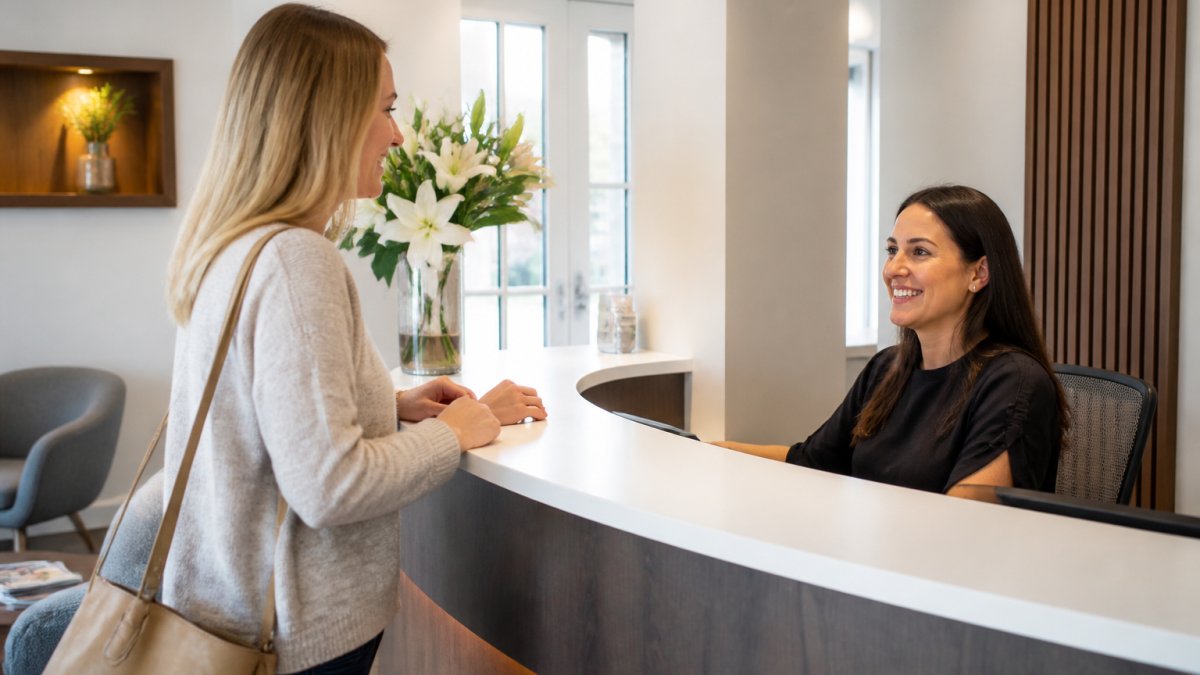
Here’s how a good first visit runs:
- Welcome and paperwork. Staff greet you by name and check your medical history.
- Conversation first. The dentist asks about your concerns, fears, and goals before any examination.
- Gentle examination. They check teeth, gums, and soft tissue, explaining what they find.
- Treatment plan. You get a written plan with options, costs, and timeframes.
- Your questions. Nothing proceeds until you’re comfortable and informed.
We build treatment plans around each patient’s needs and comfort level. You stay in control of every decision.
If anything feels rushed or unclear, say so. A good practice welcomes the question.
Frequently Asked Questions
What is a gentle dentist?
A gentle dentist is one who prioritises patient comfort at every stage, from the initial consultation to the treatment itself. They take time to explain procedures, use effective local anaesthesia, and offer sedation options for anxious patients. They also create a calm atmosphere, avoid rushing, and check in with you throughout your appointment. For nervous patients, a gentle dentist will discuss your fears without judgment and build a treatment plan at a pace you feel comfortable with.
How long does dental sedation last?
The duration of dental sedation depends on the type used. Inhalation sedation (often called happy gas) wears off within minutes after the mask is removed, so you can usually drive yourself home. Oral sedation typically lasts a few hours, while intravenous sedation can last longer and may leave you feeling drowsy for several hours. Your dental professional will advise you on aftercare and whether you need someone to accompany you home. Always follow their guidance on driving and returning to normal activities.
How can I check if a dental practice is registered with the Care Quality Commission?
You can check a dental practice’s registration on the Care Quality Commission (CQC) website. The CQC is the independent regulator of health and social care in England. Search for the practice name or location to see its registration status, inspection reports, and ratings. A registered practice must meet fundamental standards of safety and quality. You can also ask the practice directly for their CQC registration number and review their latest inspection report before booking.
What support options are available for patients with dental phobia?
Support for dental phobia includes several approaches. Many practices offer a pre-visit consultation where you can meet the team and discuss your fears without any treatment. Sedation dentistry, including inhalation, oral, or intravenous sedation, can help you relax during procedures. Some patients benefit from cognitive behavioural therapy or relaxation techniques. It also helps to choose a practice that specialises in nervous patients, offers longer appointment times, and has a calm, patient-centred environment. Speak to the practice about what they can offer before you commit.
Finding a gentle dentist in Wakefield comes down to checking registration, reading reviews for comfort signals, and asking the right questions before you book. Smile Design Studio offers a calm, patient-centred environment with clear communication, personalised treatment plans, and dedicated support for nervous patients and families. Get started with Smile Design Studio and take the first step toward dental care that respects your comfort.
Related posts