Best Private Dentist for Families: What to Look For

Best Private Dentist for Families: What to Look For
Table of Contents
- What Makes a Private Dentist Right for Your Family
- Private Dental Care Benefits Over NHS Provision
- Preventative Dental Care for Families: Building Lifelong Habits
- Family Dental Payment Plans: Making Private Care Affordable
- Specialised Services: From Children’s Dentistry to Cosmetic Care
- Overcoming Dental Anxiety and Phobia in a Private Setting
- How to Choose the Right Private Dentist for Your Family
- Frequently Asked Questions
Last Updated: October 2, 2026
What Makes a Private Dentist Right for Your Family
Finding the right private dentist for families means looking beyond the surgery name to the actual experience your children and you will have. [Family dental](/dental-payment-plans/) care depends on how a practice handles anxious children, communicates with parents, and builds trust over years, not just appointments.
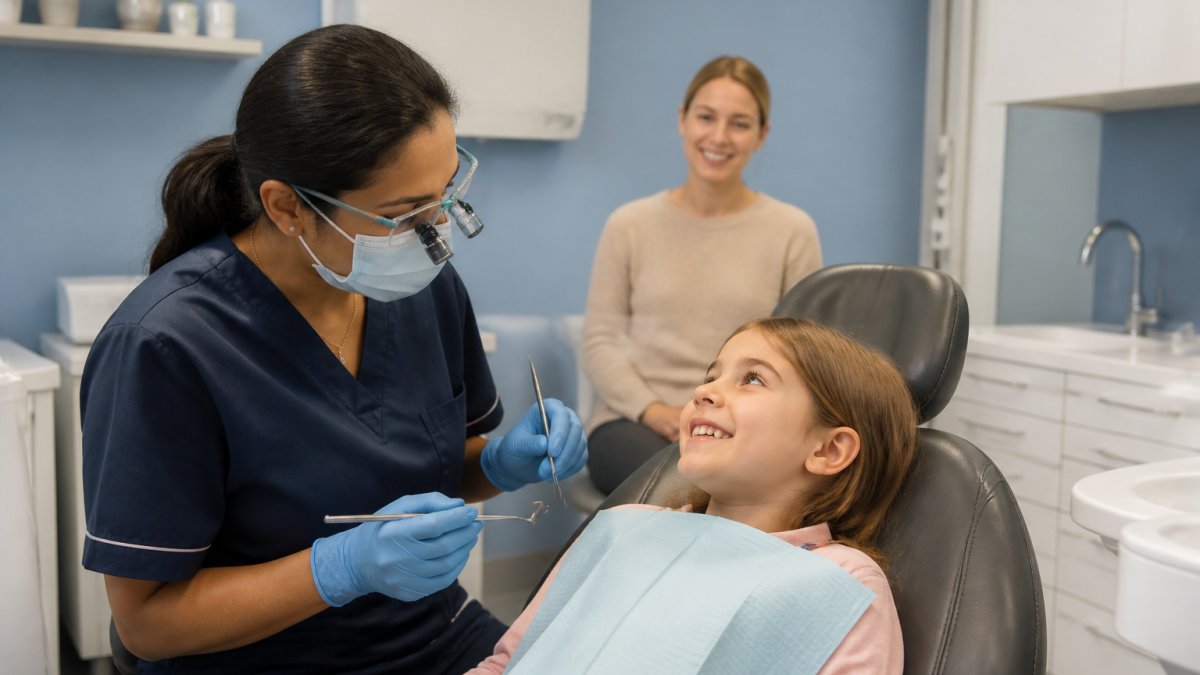
The best private dentist for families combines clinical skill with genuine patience. Children notice when a dentist listens to their concerns and explains what’s happening. Parents need clear communication about what their child’s teeth need, why, and what it costs.
Look for these markers: shorter appointment slots for children, age-appropriate language, and accommodation for nervous patients without rushing. These separate a surgery that tolerates children from one that genuinely welcomes them.
Private Dental Care Benefits Over NHS Provision
Private dental care offers flexibility NHS dentistry cannot. NHS waiting lists can stretch months; private practices often offer more flexible scheduling, crucial when your child has a cracked tooth or needs urgent treatment.
NHS check-ups may be shorter; private practices often allocate more time with children, allowing time to build rapport and address anxiety. For nervous children, that extra time can make a significant difference.
Continuity of care is another advantage. Seeing the same dentist year after year helps children feel secure and allows dentists to notice subtle changes in oral health before they become problems.
Private practices often invest in modern equipment: advanced imaging, digital records, and newer treatment materials can lead to improved diagnostics and more comfortable procedures.
Preventative Dental Care for Families: Building Lifelong Habits
Preventative care prevents expensive problems later. Regular check-ups, professional cleans, and fluoride treatments build lifelong habits and must match your child’s developmental stage.
Age-Appropriate Oral Health Milestones: What to Expect
Ages 0-2 (Primary Teeth Eruption)
By age 3, most children have all 20 primary teeth (the NHS). Your dentist should check for early decay, assess eruption timing, advise on weaning from bottles and dummies, and introduce gentle oral hygiene. Many private practices see children from age 1; early visits reduce later anxiety.
Ages 3-5 (Primary Dentition Established)
By age 3, decay risk is a concern. Your dentist should check for decay between teeth, assess bite development, teach independent brushing, and discuss diet.
Ages 6-12 (Mixed Dentition: Primary and Permanent Teeth)
Your dentist should monitor eruption, check for bite problems, reinforce oral hygiene, and screen for habits like thumb-sucking. Digital imaging can track eruption and identify problems early, potentially allowing orthodontists to guide eruption rather than extract teeth later.
Ages 13-18 (Permanent Dentition)
By age 13, most permanent teeth are in place. Your dentist should assess wisdom tooth development, monitor orthodontic progress, address acidic drinks that erode enamel, and discuss cosmetic concerns, teenagers are often motivated by appearance.
Preventative Treatments: What a Good Private Practice Offers
A good private dentist for families offers more than check-ups:
- Fluoride varnish applications (twice yearly, standard in private practice) reduce decay risk by 30-40% compared to home fluoride alone. NHS provision varies; some areas offer it, others do not.
- Sealants on permanent molars reduce decay risk on chewing surfaces by up to 80%. Application is quick, painless, and lasts 5-10 years. Private practices apply them routinely; NHS application is inconsistent.
- Dietary advice tailored to age: A dentist who understands that a 4-year-old’s decay risk differs from a 14-year-old’s can give specific, actionable guidance.
- Early orthodontic assessment (around age 8-9) identifies problems that benefit from early intervention, potentially avoiding extraction or severe crowding later.
- Habit management: A dentist who notices thumb-sucking or tongue thrusting can address it before it affects bite development.
Building Lifelong Habits Through Education
Preventative care is not just about treatments; it is about education. A good private dentist teaches oral hygiene as part of the appointment, not as an afterthought. Your child should leave understanding why brushing matters, how to floss properly (typically from age 6 onwards), and what happens if they do not. This education sticks better when delivered by someone they trust and when it is age-appropriate.
Regular check-ups also catch problems other people miss. Bite issues, crowding, and early orthodontic concerns are easier to address when spotted early. A dentist who sees your child twice yearly notices changes that might escape annual NHS visits. Over a childhood, this consistency prevents small problems from becoming expensive ones.
Family Dental Payment Plans: Making Private Care Affordable
The cost question stops many families from considering private dentistry. However, a transparent cost comparison can reveal that private care may be more affordable than families assume, especially when calculated across multiple children and over several years.
Understanding the True Cost: Private vs NHS
NHS dental care appears cheaper upfront because it is subsidised by the state. However, NHS provision comes with significant limitations that create hidden costs. An NHS check-up and clean has a set cost depending on the treatment band, but waiting lists can be long. If your child needs urgent care during that wait, you may pay privately anyway, potentially negating the NHS saving.
Private check-ups typically offer appointment availability within a shorter timeframe. For a family, private check-ups can offer predictable, timely care. NHS costs appear lower per visit but can include waiting time, limited appointment flexibility, and restricted access to preventative treatments like sealants or fluoride applications (which vary by NHS commissioning area).
When you factor in orthodontics, cosmetic work, or specialist care, the gap widens significantly. NHS orthodontics for children is available but has strict eligibility criteria and long waiting lists. Private orthodontics offers more control over the timeline and can allow treatment to begin when your child is developmentally ready, rather than waiting for an NHS slot.
How Family Payment Plans Work
Most private practices now offer membership or capitation plans specifically designed for families. These typically work as follows:
- Fixed monthly fee (usually £15-£40 per person) covers routine care: two check-ups yearly, professional cleans, fluoride treatments, and digital X-rays.
- Additional treatments (fillings, extractions, root canals) are charged separately at a discounted rate, typically 10-20% below standard fees.
- Emergency appointments are often included or prioritised, avoiding the £80-£150 emergency call-out fees some practices charge.
- Family discounts apply when multiple family members join; a family of four might pay £80-£120 monthly instead of £60-£160 per person.
For a family, a private membership plan can cover routine preventative care. If one child needs a filling, you may pay a discounted rate. Compare this to NHS: a family seeing an NHS dentist may incur direct fees, but waiting times can mean you skip appointments or seek private emergency care, potentially adding unplanned costs.
Questions to Ask About Any Plan
Before committing, clarify these details:
- Does the plan cover all family members, including adults?
- Are emergency appointments included, or do they incur an additional fee?
- What treatments are excluded (orthodontics, cosmetic work, implants)?
- Can you pause or cancel the plan if you move or circumstances change?
- Are there waiting periods before benefits begin?
- Do unused credits roll over, or are they forfeited?
A transparent practice provides a written plan summary and explains trade-offs without pressure. If a practice is vague about costs or what’s included, that is a red flag, move on.
Specialised Services: From Children’s Dentistry to Cosmetic Care
A practice that serves families well offers more than basic check-ups. Paediatric dentistry, care specifically designed for children, makes a measurable difference. Child-focused dentists use smaller instruments, modify their language, and understand developmental stages of teeth.
Restorative dentistry matters when a child damages a tooth. Tooth-coloured fillings can look better than old-style amalgam and may feel more natural. For more significant damage, bonding or crowns restore function without visible metal.
As children grow, orthodontics becomes relevant. Straightening teeth improves bite function and confidence. Private practices often have in-house orthodontists or trusted referral partners, coordinating care seamlessly.
For parents, cosmetic dentistry addresses years of wear. Teeth whitening, bonding, and veneers restore the smile you had before life happened. Smile Design Studio offers the full range, from routine preventative care for your children to cosmetic work for yourself, in one practice.
Overcoming Dental Anxiety and Phobia in a Private Setting
Dental anxiety in children often stems from feeling out of control or scared. The right private practice gives you tools to manage this. Sedation options, from mild relaxation to deeper sedation, are available in private settings and can be less common in NHS care.
Tell-show-do is a simple technique good dentists use.
How to Choose the Right Private Dentist for Your Family
Start with practical research. Check online reviews specifically for comments about children’s care and appointment wait times. Parents’ feedback is honest, they’ll mention if staff were patient or rushed.
Frequently Asked Questions
What are the main benefits of choosing a private dentist for families over NHS care?
Private dentists often offer more flexible scheduling and access to a wider range of treatments including cosmetic options. They often spend more time with each patient, provide personalised treatment plans, and use premium materials. However, costs are higher. The choice depends on your budget, urgency of treatment, and whether you need services beyond routine care that the NHS may not prioritise.
How do family dental payment plans work, and are they worth it?
Many private practices offer monthly payment plans that spread the cost of treatment over time, making care more manageable for families. These plans typically cover routine check-ups and preventative care, with additional treatments quoted separately. Plans vary by practice, so ask about what’s included and cancellation terms. For families needing regular care, a structured plan can be a valuable option.
At what age should children start preventative dental care with a private dentist?
Children should begin dental visits around age one or when their first tooth appears. Early preventative dental care for families establishes good oral hygiene habits, allows dentists to monitor development, and catches problems early. Private practices often offer specialised paediatric care with child-friendly environments, making visits less daunting. Starting early means children grow up comfortable with dental care rather than anxious.
How can I find a private dentist who specialises in nervous or anxious patients?
Look for practices that explicitly mention anxiety management or specialised nervous patient care on their website. Read patient reviews mentioning comfort and patience. Contact the practice directly and describe your concerns, a good dentist will explain how they manage anxiety, offer longer appointments, and create a calm environment. Many private practices invest in modern, relaxing settings and staff training specifically for this reason.
Related posts