How to Improve Dental Health Naturally

How to Improve Dental Health Naturally
Table of Contents
- How to Improve Dental Health Naturally: A Practical Framework
- Foods for Strong Teeth and Natural Remineralisation
- How to Remineralise Teeth Naturally
- Best Practices for Oral Hygiene Daily
- The Gut-Oral Microbiome Connection
- Addressing Nutrient Deficiencies and Acid Erosion
- When to Seek Professional Dental Care
- Frequently Asked Questions
Last Updated: October 8, 2026
How to Improve Dental Health Naturally: A Practical Framework
Improving dental health naturally means taking control of your oral care through diet, daily habits, and preventative practices rather than relying solely on clinical interventions. At Smile Design Studio, we help patients strengthen teeth, reduce sensitivity, and maintain healthy gums alongside professional care.
Your teeth are living structures that respond to what you eat, how you clean them, and your overall health. When you improve dental health naturally, you address the root causes of decay, sensitivity, and gum disease rather than just symptoms.
Foods for Strong Teeth and Natural Remineralisation
Calcium and Phosphorus-Rich Foods
The foundation of strong teeth is mineral density. Calcium and phosphorus make up tooth enamel and dentine, so eating foods rich in them provides the building blocks teeth need to repair themselves and resist decay.
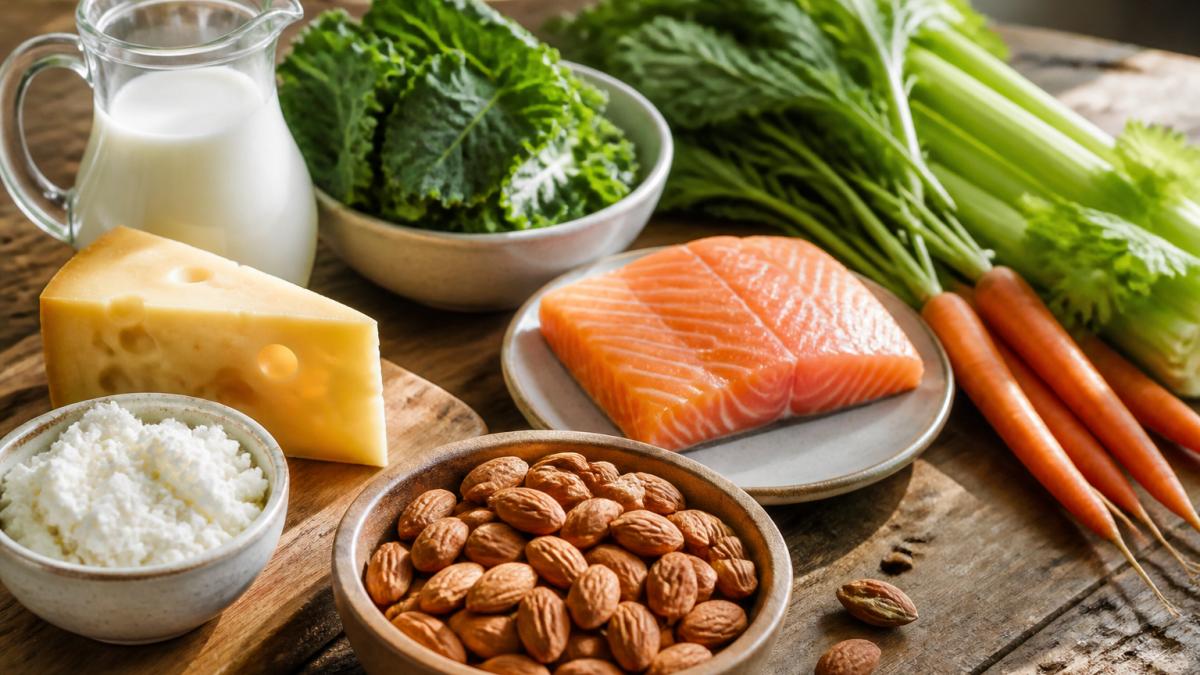
Dairy products like cheese, yoghurt, and milk are the most direct sources of bioavailable calcium; cheese also contains casein, a protein that protects enamel.
Include at least one calcium-rich food at two meals per day; your body can only absorb so much calcium at once, so spreading intake beats concentrated doses.
Crunchy Vegetables and Natural Cleaning
Crunchy vegetables do two things for your teeth: chewing creates a mild abrasive effect that removes surface debris and plaque, and many contain antibacterial compounds that reduce decay- and gum-disease-causing bacteria.
Carrots, celery, apples, and raw broccoli are the most effective. Eat them raw, since cooking removes the cleaning benefit, and chewing stimulates saliva, your mouth’s natural defence system.
Include a crunchy vegetable or fruit with lunch or dinner at least five days per week. It isn’t a replacement for brushing and flossing, but a useful addition.
How to Remineralise Teeth Naturally
Remineralisation is the process by which minerals, primarily calcium and phosphate, are redeposited into the enamel lattice after acid exposure has drawn them out. It happens constantly, but the rate depends on what you eat, how often, and whether the cofactors that direct minerals into enamel are present. Most guides stop at “eat calcium and use fluoride toothpaste”; the detail that moves the needle is the supporting cast: vitamin D3, vitamin K2 and magnesium.
The Remineralisation Trio: D3, K2 and Magnesium
Calcium is the raw material, but it cannot be directed into enamel without help. Vitamin D3 regulates calcium absorption and bloodstream availability.
Pair a calcium source with K2 and D3 at the same meal: full-fat yoghurt with almonds; tinned sardines on sourdough toast; aged cheese with an egg. For K2, the richest sources are natto, mature cheeses and some kefirs.
If you take a vitamin D supplement in winter, take it with a meal containing fat and consider whether your magnesium intake is adequate. Many people in this climate run low on both, and the two interact.
The Role of Fluoride in Enamel Strength
Fluoride integrates into tooth enamel as fluorapatite, a crystal structure more resistant to acid attack than the original hydroxyapatite.
You do not need high doses: standard fluoride toothpaste twice daily is sufficient for most adults, and concentrations are carefully regulated.
Small amounts of fluoride appear in tea and some water supplies, but toothpaste is the primary source for most people.
Saliva Production and pH Balance
Saliva is your mouth’s natural repair system, containing calcium and phosphate that remineralise early-stage enamel damage, plus bicarbonate that neutralises acid and antibacterial compounds that keep bacteria in check. When saliva flow decreases, cavity risk rises dramatically.
pH balance matters because acid erodes enamel. Your mouth becomes more acidic after eating, especially sugary or acidic foods, and the first 20 to 30 minutes after a meal are critical, when pH can drop below the threshold at which enamel dissolves.
To maintain healthy saliva production and support pH recovery:
- Drink still water throughout the day, and sip it after meals rather than only between them.
- Chew sugar-free gum containing xylitol for 10 to 15 minutes after eating. Xylitol also reduces the ability of cavity-causing bacteria to adhere to teeth.
- Finish a meal with a small piece of cheese or a handful of nuts, both of which stimulate saliva and help restore a neutral pH.
Rinsing with water immediately after every acidic drink helps, but brushing straight afterwards does not. Give your enamel time to re-harden before you brush.
Interdental Cleaning Alternatives
The best interdental method is the one you will actually use daily. Interdental brushes, in a range of sizes, are often more effective than floss at removing plaque from wider gaps that develop with age or gum recession.
Ask your dental therapist which size interdental brush fits your gaps, then use it once daily before brushing. Consistency matters more than method: pick one and use it every day.
Best Practices for Oral Hygiene Daily
Effective Brushing and Interdental Cleaning
Brushing twice daily with fluoride toothpaste removes plaque and food debris.
Interdental cleaning is where most people fall short: plaque builds up between teeth where a toothbrush can’t reach, and that’s where gum disease starts.
A common mistake is assuming better toothpaste compensates for poor technique. Gentle, consistent brushing with standard fluoride toothpaste outperforms aggressive brushing with premium products: technique and routine matter more than the product.
Natural Remedies and Oil Pulling
Oil pulling involves swishing coconut or sesame oil for 15-20 minutes. Evidence is limited, though some small studies suggest mild antibacterial effects.
Salt water rinses after meals may reduce inflammation and support gum health, though the evidence is modest.
Natural remedies supplement proven habits, not replace them. Brushing, flossing, fluoride, and diet form the foundation; oil pulling and salt rinses won’t fix poor technique or a high-sugar diet.
The Gut-Oral Microbiome Connection
Your mouth and gut are connected through your microbiome. An imbalanced gut microbiome can increase inflammation throughout your body, including your gums, and gum disease can let harmful bacteria enter your bloodstream and affect gut health.
To support a healthy microbiome, eat fermented foods like yoghurt, kefir, sauerkraut, and kimchi, plus fibre-rich vegetables, whole grains, and legumes that feed good bacteria.
A healthy microbiome supports your immune system, digestion, and overall health, and the oral benefits are part of that picture.
Addressing Nutrient Deficiencies and Acid Erosion
Two forces quietly undermine good oral hygiene: a shortfall in the nutrients that build and repair enamel, and repeated acid exposure that dissolves it faster than saliva can repair it. Addressing both makes natural dental care genuinely effective.
The Specific Nutrients That Matter for Teeth
Beyond calcium and vitamin D, three nutrients play a direct role in remineralisation and gum health:
- Vitamin K2 (MK-7): Activates osteocalcin and matrix Gla protein, which direct calcium into teeth and bone and away from soft tissues. Dietary sources include natto, mature cheeses, egg yolks and some fermented dairy. People who supplement vitamin D without K2 often see limited dental benefit.
- Magnesium: Required for the enzymatic conversion of vitamin D into its active form, and a structural component of enamel. Pumpkin seeds, spinach, almonds, dark chocolate and wholegrains are reliable sources. Low magnesium is common and easily overlooked.
- Vitamin C: Essential for collagen synthesis in gum tissue. Without adequate vitamin C, gums are more prone to bleeding and inflammation. Citrus, peppers, broccoli and kiwi are good sources, but eat them with meals to limit acid contact with teeth.
Other nutrients worth attention include phosphorus (eggs, fish, nuts, dairy), zinc (meat, shellfish, seeds) and folate (leafy greens, legumes). A varied diet usually covers these, but with restricted eating patterns a GP or dietitian can assess whether testing is appropriate.
If you take vitamin D in winter, pair it with a K2 source and check that your magnesium intake is adequate. The three work as a system, not in isolation.
Vitamin D and Calcium Absorption
Vitamin D is essential for calcium absorption. Without it, your body cannot utilise the calcium you eat, so teeth miss the minerals they need for strength and repair.
The most reliable source is sunlight: roughly 15 to 30 minutes of midday sun several times per week in summer, with more skin exposed. In winter a supplement is often necessary.
If you suspect a deficiency, ask your GP about testing; vitamin D status is easy to check with a blood test. The NHS advises 10 micrograms (400 IU) daily for most adults in autumn and winter, and year-round for those housebound or who cover their skin (the NHS).
Managing Acid Erosion and Sensitivity
Acid erosion happens when acidic foods or drinks wear away enamel over time. Citrus fruits, wine, vinegar, soft drinks and some herbal teas are common culprits.
The prevention strategy is practical and specific:
- Limit acidic foods and drinks, and where possible consume them with meals rather than sipping them throughout the day.
- Use a straw for acidic beverages to reduce contact with the front teeth.
- Rinse with still water after acidic food or drink, then wait 30 to 60 minutes before brushing. Brushing immediately can wear away softened enamel.
If sensitivity has developed, desensitising toothpaste can block the dentine tubules that transmit sensation, and fluoride strengthens enamel. If it is severe or doesn’t improve, your dentist can apply a protective coating or discuss other options.
When to Seek Professional Dental Care
Natural approaches work best as prevention and maintenance, not as a replacement for professional care.
If you notice pain, swelling, bleeding gums, or persistent bad breath, don’t wait for a routine appointment.
At Smile Design Studio, we work with patients who want an active role in their oral health, combining natural approaches with professional care.
If you’re struggling with sensitivity, decay, or gum problems despite consistent effort, professional guidance can identify what’s missing.
Frequently Asked Questions
How can I strengthen loose teeth naturally?
Loose teeth often result from gum disease or nutrient deficiencies. Focus on foods rich in calcium and phosphorus (dairy, leafy greens, nuts), maintain rigorous oral hygiene with daily brushing and flossing, and ensure adequate vitamin D to support calcium absorption. Oil pulling with coconut oil may help reduce inflammation. However, loose teeth require professional assessment, consult a dental therapist to rule out periodontitis or bone loss, as home care alone cannot reverse structural damage.
What role does diet play in enamel strength and how to remineralise teeth naturally?
Diet directly affects enamel remineralisation through minerals like calcium, phosphorus, and magnesium. Crunchy vegetables stimulate saliva production, which naturally buffers acid and aids remineralisation. Avoid acidic foods and drinks that erode enamel. Fluoride toothpaste strengthens enamel when used twice daily. Natural remineralisation also depends on adequate vitamin D for mineral absorption, fatty fish, egg yolks, and sunlight exposure help. Limit sugar and refined carbohydrates, which feed cavity-causing bacteria.
Are there natural ways to manage tooth sensitivity?
Tooth sensitivity often stems from enamel erosion or exposed dentine. Avoid acidic foods and drinks, use a soft-bristled toothbrush, and apply fluoride toothpaste twice daily to strengthen enamel. Desensitising mouthwash may help reduce inflammation. Oil pulling and saltwater rinses have antibacterial properties that may ease sensitivity linked to gum inflammation. However, persistent sensitivity requires professional evaluation, it can indicate decay, cracked teeth, or gum disease that home remedies cannot treat.
When should I seek professional dental intervention instead of relying on home care?
Seek professional help immediately for pain, loose teeth, visible decay, swelling, or bleeding gums. Natural remedies support oral hygiene but cannot treat cavities, gum disease, or infections. A dental therapist or dentist should assess any changes lasting more than two weeks. Routine check-ups every six months catch problems early. Natural care is preventative; professional care diagnoses and treats disease. Combining both approaches gives the best results for long-term dental health.
What is the best daily oral hygiene routine?
Brush twice daily with fluoride toothpaste for two minutes, using gentle circular motions. Clean between teeth daily with floss or interdental brushes, this removes plaque and food debris that brushing misses. Rinse with water or mouthwash. Limit sugary snacks and acidic drinks. Stay hydrated to maintain saliva production, which naturally protects teeth. Avoid smoking and excess alcohol, both of which increase gum disease risk. These practices form the foundation of cavity prevention and periodontal health.
How does the gut microbiome affect oral health?
A healthy gut microbiome supports immune function, which protects against gum disease and oral infections. Probiotics and fermented foods may strengthen both gut and oral bacteria balance. Poor gut health can increase inflammation, raising gingivitis and halitosis risk. Conversely, oral bacteria can enter the digestive system, affecting overall health. Eating fibre-rich whole foods, crunchy vegetables, and probiotic-rich foods supports both microbiomes. This gut-oral connection means that natural dental health requires attention to overall nutrition and digestive wellness.
Can oil pulling effectively treat gum disease?
Oil pulling (swishing coconut or sesame oil for 15-20 minutes) has antibacterial properties that may reduce plaque and inflammation, potentially easing mild gum inflammation. Some users report fresher breath and reduced sensitivity. However, oil pulling cannot treat established gum disease or periodontitis. It works best as a preventative complement to brushing, flossing, and fluoride use. If you have bleeding gums, swelling, or persistent bad breath, see a dental professional, these signs indicate gingivitis or more serious infection requiring professional treatment.
Related posts