Composite vs Porcelain Veneers: Choose the Right Smile
Composite vs Porcelain Veneers: Choose the Right Smile
Table of Contents
- What Are Composite and Porcelain Veneers?
- Key Differences Between Composite and Porcelain Veneers
- Composite Veneers: Pros and Cons
- Porcelain Veneers: Pros and Cons
- Composite Bonding vs Veneers: Understanding the Difference
- How Long Do Veneers Last and What Affects Lifespan?
- Making Your Decision: A Framework for Choosing
- Frequently Asked Questions
Last Updated: October 12, 2026
What Are Composite and Porcelain Veneers?
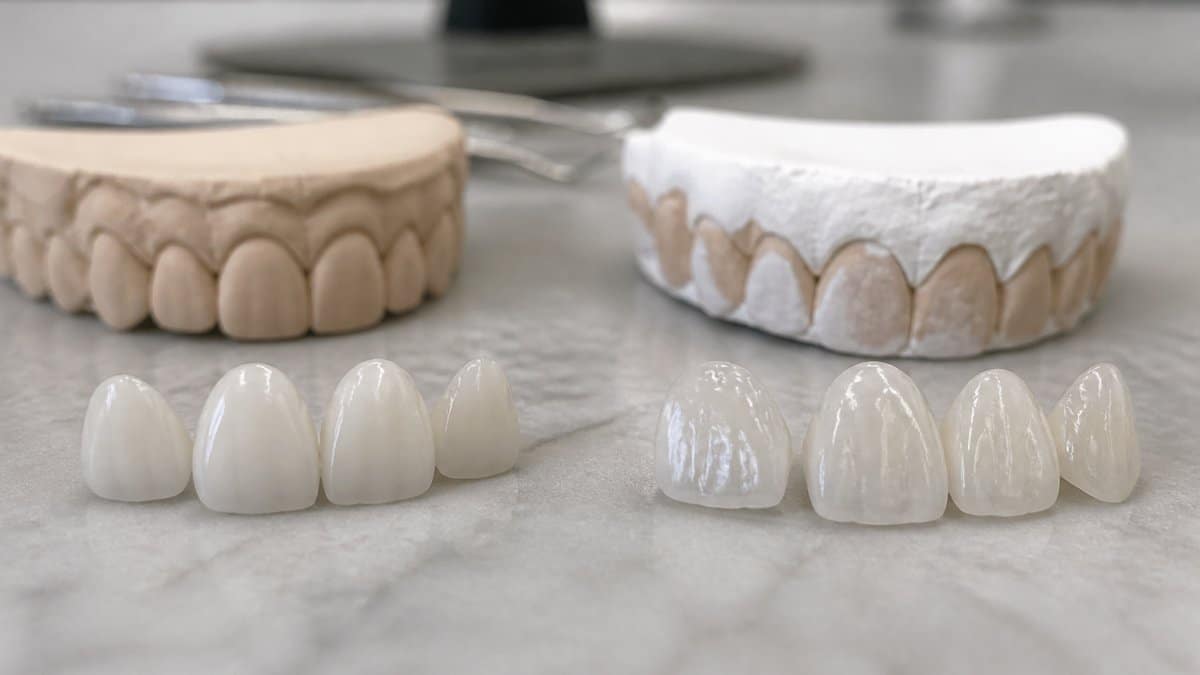
Composite veneers are tooth-coloured resin restorations bonded directly to your natural tooth. Porcelain veneers are custom-made porcelain shells that cover the front surface of your teeth. Both improve your smile’s appearance by changing tooth colour, shape, size, or alignment. (Source: the British Dental Association’s guidance on cosmetic dentistry)
The key distinction is how they’re made and applied. Composite veneers are built up on your tooth in a single appointment using resin that hardens under a special light. Porcelain veneers are fabricated in a lab and cemented on in a separate appointment.
At Smile Design Studio, we work with both materials to help patients achieve their ideal smile. When deciding between composite vs porcelain veneers, the choice depends on your priorities, budget, and how long you want your results to last.
Key Differences Between Composite and Porcelain Veneers
Application process is the most obvious distinction. Composite veneers need minimal tooth preparation and are completed in one visit, with your dentist shaping resin directly onto your tooth.
Material properties are the second major difference. Composite resin is softer and more flexible; porcelain is harder, more stain-resistant, and mimics natural tooth translucency more closely, so porcelain veneers typically look more natural under different lighting.
Reversibility matters if you’re uncertain about permanent changes. Composite veneers can be removed or replaced without damaging your tooth, since minimal preparation is needed.
Composite Veneers: Pros and Cons
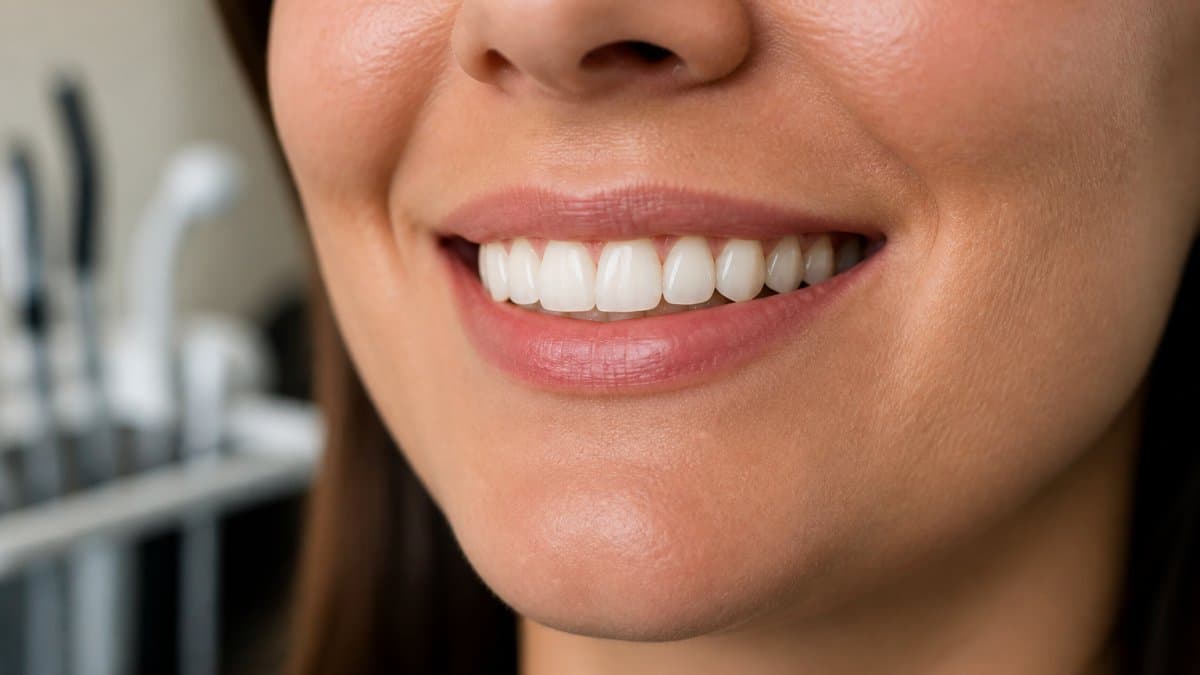
Composite veneers appeal to patients who want quick results and the option to change their mind later.
Advantages include speed, reversibility, and lower initial cost. You leave with your new smile in a single appointment, and if you’re unhappy, your dentist can modify or remove them without harming your tooth structure, ideal for testing a smile makeover before committing permanently.
Disadvantages matter for long-term wear. Composite resin stains more easily than porcelain, especially with coffee, tea, red wine, or smoking, and is more prone to chipping and wearing down. Composite veneers typically last 5-7 years before replacement or repair.
Application and Reversibility
Composite veneers require minimal tooth preparation, your dentist removes only a thin layer of enamel if needed, then applies resin directly to the tooth surface, leaving your natural tooth structure largely intact.
Because so little of your tooth is altered, composite veneers are reversible: your dentist can remove the material and your tooth will look much as it did before. This suits patients nervous about permanent changes or wanting to trial a new smile.
Staining and Long-Term Appearance
Composite resin absorbs stains from food, drinks, and tobacco, so your veneers may develop a dull or yellow tint even with good oral hygiene. Professional polishing helps, but the material doesn’t hold its lustre like porcelain.
Colour stability depends heavily on your habits: patients who avoid staining foods and drinks, don’t smoke, and attend regular appointments see better results. Still, most composite veneers show visible discolouration within 3-5 years.
Porcelain Veneers: Pros and Cons
Porcelain veneers are the gold standard for patients who want a permanent, natural-looking smile that resists staining.
Advantages are substantial. Porcelain is highly stain-resistant, holds its colour and shine for 10-15 years or longer, and mimics natural enamel’s light-reflecting properties for a lifelike appearance. It’s also more durable than composite and less likely to chip under normal use.
Disadvantages centre on irreversibility and cost. Your tooth must be permanently altered, the procedure requires at least two appointments, and it costs more than composite. Once in place, you’re committed to maintaining them for life.
Durability and Aesthetic Longevity
Porcelain veneers typically last 10-15 years, sometimes longer with proper care. Unlike composite resin, the material doesn’t degrade or discolour, so your smile keeps its brightness and natural appearance.
Despite the higher upfront expense, porcelain’s durability makes it cost-effective over time: factoring in replacements and maintenance, it often costs less per year than composite, which needs replacing more frequently.
Preparation and Irreversibility
Porcelain veneers require tooth preparation: your dentist removes a thin layer of enamel from the front of your tooth to create space for the veneer. This is permanent, once enamel is removed, your tooth cannot be restored to its original state.
Because of this irreversibility, porcelain veneers are a significant commitment, you’ll need to maintain them carefully and eventually replace them. Many patients see this permanence as a positive: once in place, you don’t need to think about them.
Composite Bonding vs Veneers: Understanding the Difference
Composite bonding and composite veneers are sometimes used interchangeably, but they’re technically different. Bonding typically means using tooth-coloured resin to fill cavities, repair chips, or close gaps; composite veneers are a cosmetic application of the same material covering the front surface of the tooth.
Both use the same resin and require minimal preparation; the distinction is scope, bonding addresses small imperfections, while veneers transform the entire visible surface of your tooth.
Porcelain veneers are a different category altogether, custom-fabricated shells, not directly applied resin, which affects durability, appearance, and cost. Understanding composite vs porcelain veneers helps you decide whether you need bonding, composite veneers, or porcelain veneers.
How Long Do Veneers Last and What Affects Lifespan?
Lifespan figures for veneers are often quoted as single numbers, but the reality is a range shaped by material, technique, your bite, and daily habits. Treat any single figure as a rough guide, not a guarantee.
Evidence and realistic ranges
Most published clinical guidance and practitioner experience suggest the following ranges, but individual results vary widely:
- Composite veneers: commonly 5-7 years, with some lasting longer with excellent maintenance and others failing sooner under heavy wear or staining habits.
- Porcelain veneers: commonly 10-15 years, with some lasting considerably longer and others requiring replacement earlier due to fracture, debonding, or gum changes.
These ranges come from clinical studies, manufacturer data, and long-term practice observation, not precise predictions for any one person. Patients who attend regular check-ups, wear a night guard if they grind, and avoid using teeth as tools fall at the upper end; those with uncontrolled bruxism, poor oral hygiene, or heavy staining habits fall at the lower end.
What actually shortens lifespan
The biggest controllable factors are:
- Bruxism and clenching. Unprotected grinding is one of the most common reasons veneers chip, fracture, or debond early.
- Staining habits. Coffee, tea, red wine, and tobacco accelerate discolouration, particularly in composite.
- Biting hard objects. Ice, pens, fingernails, and hard sweets can chip both materials.
- Gum health. Receding gums or untreated gum disease can expose veneer margins and lead to decay or debonding.
- Bonding technique and material quality. A well-bonded, well-fitted veneer lasts longer than one with marginal gaps or poor isolation during placement.
Risks, complications, and failure management
Even well-made veneers can fail. Knowing what to expect helps you plan.
Sensitivity. Some patients have temporary sensitivity after preparation, especially with porcelain veneers where enamel was removed. It usually settles, but persistent sensitivity should be reviewed.
Chipping and fracture. Composite is more prone to chipping; porcelain is harder but more brittle. Small chips in composite can often be repaired chairside with additional resin.
Debonding. A veneer can come loose if the bond fails.
Gum irritation. Poorly fitting margins or excess cement can irritate gums. This is usually resolved by adjusting or re-cementing the veneer.
Decay underneath. If decay develops at the margin, the veneer may need to be removed to treat it. This is one reason regular check-ups matter.
If a veneer chips, debonds, or causes pain, contact your dentist promptly. Early intervention often means a simple repair rather than a full replacement.
Maintenance and aftercare
Maintaining your veneers is straightforward: brush twice daily with a soft-bristled toothbrush and non-abrasive toothpaste, floss daily to prevent decay around the edges, avoid using teeth as tools, and be cautious with hard or sticky foods.
Professional polishing at regular check-ups keeps veneers looking their best, for composite, it can restore lustre if they’ve dulled, and lets your dentist catch chips or wear early.
Regular appointments also let your dentist monitor the natural tooth underneath; if decay develops or the veneer starts to fail, early intervention prevents more extensive damage.
Making Your Decision: A Framework for Choosing
Choosing between composite and porcelain veneers isn’t just about budget or preference. Clinical suitability, your bite, enamel condition, and willingness to maintain or replace restorations all shape which material serves you best. Use this framework to have a more productive conversation with your dentist, not to replace an individual assessment.
Clinical suitability and contraindications
Both materials have situations where they perform well and situations where they should be avoided or deferred.
Bruxism and clenching. If you grind or clench, discuss it before treatment.
Enamel condition and existing restorations. Porcelain veneers need a healthy enamel surface to bond to. Teeth with large existing composite fillings, significant decay, or very little enamel may need a crown or another approach instead.
Gum health. Active gum disease, untreated periodontitis, or significant recession should be addressed before veneers are placed, otherwise you risk poor margins, irritation, and early failure.
Position and alignment. Severely rotated or misaligned teeth may need orthodontics first.
A practical decision matrix
Use the table below as a starting point. It reflects common patterns, not rules, your dentist’s assessment of your specific teeth and bite takes precedence.
| Your priority | Composite veneers | Porcelain veneers |
|---|---|---|
| Lowest upfront cost | Usually lower per tooth | Usually higher per tooth |
| Fastest treatment | Often single visit | Usually two or more visits |
| Best stain resistance | Moderate; stains over time | High; maintains colour well |
| Longest single restoration lifespan | Shorter | Longer |
| Reversibility | Often reversible or minimally invasive | Usually irreversible |
| Ease of repair | Can often be repaired chairside | Repair may require removal and replacement |
| Willingness to maintain/replace | Requires more frequent upkeep | Requires less frequent upkeep but higher replacement cost |
| Suitability for trial smile | Good option | Less suitable as a trial |
Questions to ask at your consultation
A good consultation covers more than price. Ask your dentist:
- How much enamel will be removed, and is the preparation reversible?
- How does my bite affect the choice of material?
- Do I grind or clench, and should I be wearing a night guard?
- What is the realistic lifespan for my case, given my habits?
- What happens if a veneer chips or debonds, can it be repaired, or will it need replacing?
- What is the total cost over the next ten years, including likely repairs and replacements?
Bring a list of your priorities, budget, timeline, appearance goals, and how much maintenance you are comfortable with, to your consultation. A dentist can only recommend the best option if they understand what matters most to you.
Your dentist should assess your tooth structure, gum health, and bite before recommending a material, since some teeth or bite patterns suit one material better. At a consultation at Smile Design Studio, we evaluate your individual situation and recommend the option for the best long-term result.
Frequently Asked Questions
What is the main difference between composite and porcelain veneers?
Composite veneers are made of tooth-coloured resin applied directly to your tooth in one appointment, making them reversible and more affordable. Porcelain veneers are custom-made ceramic shells requiring tooth preparation and multiple visits, offering superior durability and stain resistance. Composite suits budget-conscious patients or those wanting reversibility; porcelain suits those prioritising longevity and natural appearance over decades.
Are composite veneers or porcelain veneers better for natural-looking results?
Porcelain veneers typically deliver more natural-looking results because porcelain mimics tooth enamel’s translucency and light-reflecting properties better than composite resin. Porcelain also resists staining and discoloration far longer, maintaining that lustrous finish. Composite can look natural immediately after application, but may yellow or dull over time, especially with coffee, tea, or red wine exposure. For a smile that looks naturally beautiful for 10+ years, porcelain is the stronger choice.
How long do composite and porcelain veneers last?
Composite veneers typically last 5-7 years before requiring repair or replacement due to wear, chipping, and staining. Porcelain veneers last 10-15 years or longer with proper care and good oral hygiene, as porcelain is harder and more stain-resistant. Both depend on your bite, brushing habits, and whether you avoid chewing hard objects. Your dentist can assess your suitability during a consultation.
Which veneer option costs less?
Composite veneers cost less upfront because they’re applied in a single appointment using chairside materials. Porcelain veneers cost more initially due to laboratory fabrication, multiple appointments, and tooth preparation. However, porcelain’s longer lifespan (10-15 years vs 5-7 years) often means lower total cost of ownership over time. For pricing specific to your situation, book a consultation to discuss your budget and goals.
Related posts