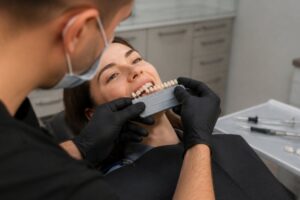
How to Plan a Smile Makeover: Step-by-Step Guide
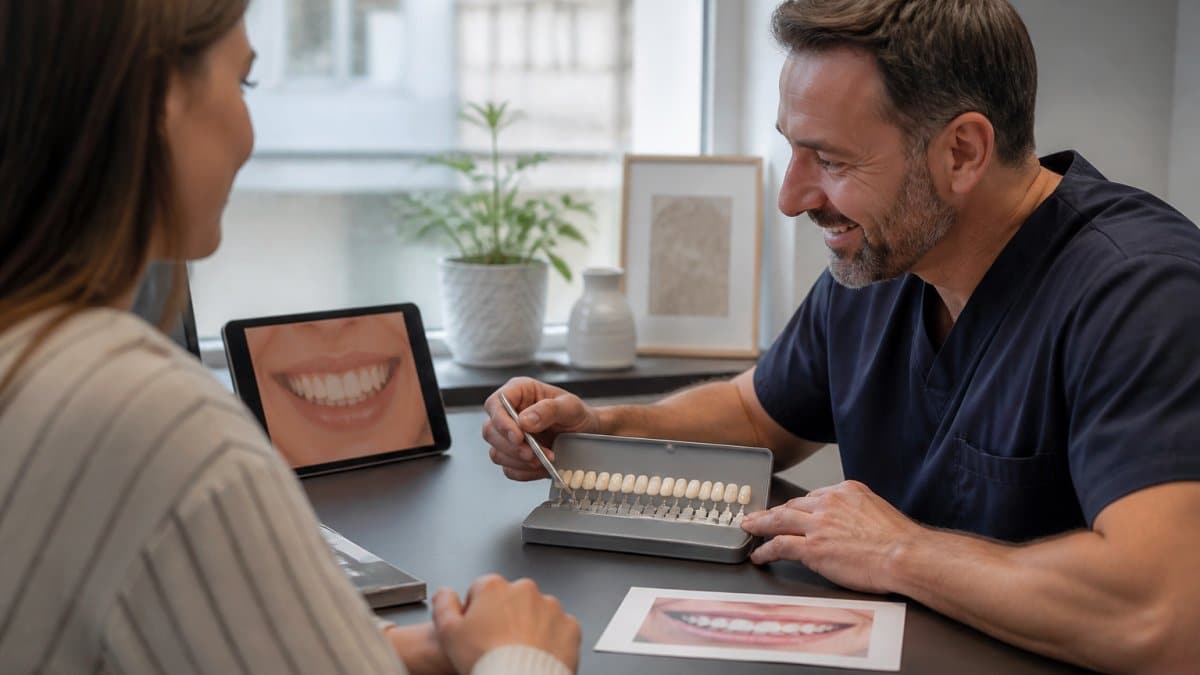
How to Plan a Smile Makeover: Step-by-Step Guide
Table of Contents
- What Is a Smile Makeover?
- Step 1: Schedule Your Initial Consultation
- Step 2: Understand the Cosmetic Dentistry Consultation Checklist
- Step 3: Explore the Digital Smile Design Process
- Step 4: Review Common Smile Makeover Procedures
- Step 5: Develop Your Customized Treatment Plan
- Step 6: Plan for Recovery and Long-Term Maintenance
- Smile Makeover vs. Single Treatment: What’s Right for You?
- Frequently Asked Questions
Last Updated: September 28, 2026
What Is a Smile Makeover?
When you plan smile makeover improvements, you’re taking a comprehensive approach through multiple cosmetic dentistry procedures tailored to your unique goals. Rather than treating one issue at a time, a smile makeover combines different treatments to enhance tooth colour, shape, alignment, and overall facial aesthetics.
The goal is to create a smile that looks natural, feels comfortable, and boosts your confidence, addressing not just what you see in the mirror, but how you feel when you interact with others.
Most smile makeovers combine procedures like teeth whitening, veneers, implants, or orthodontics, sequenced over months. The key difference from single treatments is the planning, everything works together toward your vision.
A smile makeover isn’t one procedure, it’s a plan. The best results come from treating your teeth and gums as a whole system, not fixing problems one at a time.
Step 1: Schedule Your Initial Consultation
Your journey starts with a consultation with a cosmetic dentist who listens to your goals. A proper consultation takes time and isn’t a rushed check-up.
During this first visit, the dentist will examine your teeth, gums, and bite. They’ll ask about your concerns. Do your teeth feel too yellow? Are they crooked? Is your bite uncomfortable? Do you want a bigger smile or a smaller one? These questions matter because they shape your entire treatment plan.
Share any concerns, bad past experiences, pain anxiety, with your dentist. A good cosmetic dentist adjusts their approach accordingly. Your smile should reflect what you want, not what the dentist thinks you should have.
Step 2: Understand the Cosmetic Dentistry Consultation Checklist
A thorough consultation covers specific ground. Understanding what to expect helps you prepare and ask the right questions.
Clinical assessment and oral health evaluation
Your dentist will examine your teeth, gums, and jaw structure, checking for decay, gum disease, or bite problems that need fixing before cosmetic work begins.
This assessment includes checking tooth colour, gum health, bite alignment, bone structure, and existing dental work. Your dentist will also ask about your medical history, as certain medications or conditions affect treatment.
Discussing your aesthetic goals and expectations
Show photos of smiles you like. Your dentist will explain what’s realistic for your face shape, lip position, and tooth structure. Discuss how white you want your teeth, preferred shape, how much tooth should show, timeline, and budget. A good dentist explains trade-offs, very white teeth may cause sensitivity; straight teeth take 18-36 months. This honesty builds trust.
Beware of dentists who promise perfect results without discussing your specific situation. Every mouth is different. Realistic expectations prevent disappointment.
Step 3: Explore the Digital Smile Design Process
Digital smile design uses computer technology to show you what your smile could look like before any treatment begins. This is one of the most powerful tools in cosmetic dentistry because it removes guesswork.
Your dentist takes a photo and uses software to overlay different tooth shapes, sizes, and positions. That design becomes your treatment roadmap.
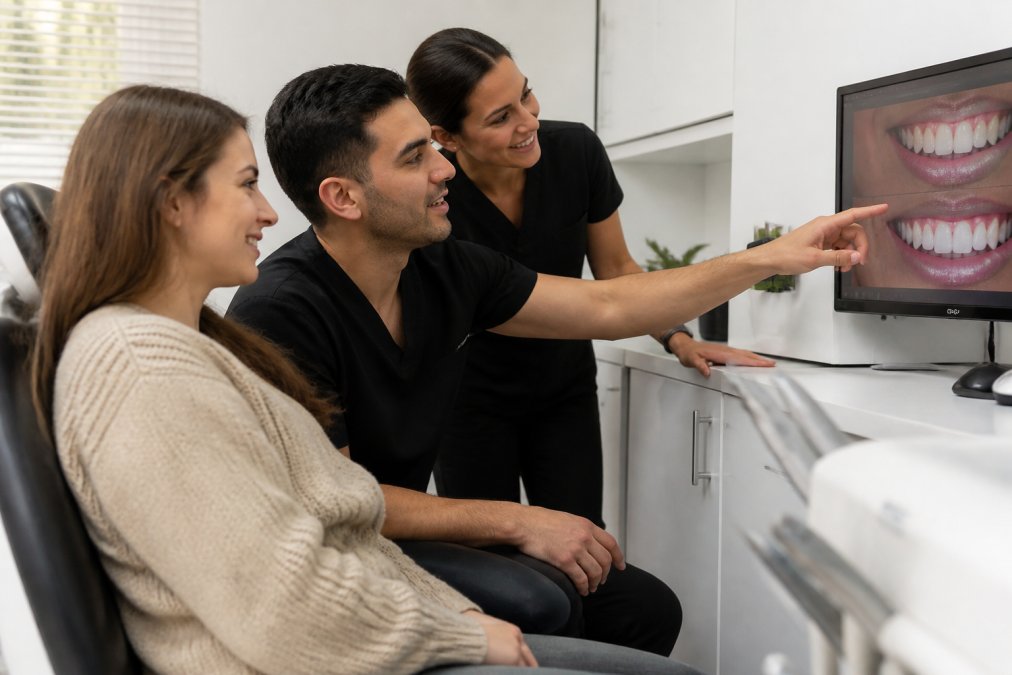
This removes guesswork and reassures patients who’ve had cosmetic work elsewhere that didn’t match expectations. The design also helps your dentist plan sequencing, showing what needs to happen first and why.
Step 4: Review Common Smile Makeover Procedures
Most smile makeovers combine several procedures. Understanding what each one does helps you make informed choices about what you need.
Porcelain veneers and composite bonding
Porcelain veneers are thin shells bonded to your teeth, covering discolouration, chips, gaps, and shape issues. They last many years with proper care but require permanent tooth preparation. Composite bonding uses tooth-coloured resin applied directly to your tooth, less expensive and quicker, but doesn’t last as long.
Teeth whitening and gum contouring
Teeth whitening removes stains and yellowing; professional whitening is stronger than shop-bought kits and lasts 6-12 months depending on your habits. Gum contouring reshapes an uneven gumline or one that covers too much tooth, dramatically changing your smile’s appearance and healing quickly.
Adult teeth straightening and dental implants
Orthodontics straightens teeth using braces or clear aligners over 18-36 months, improving your bite and smile balance. Dental implants replace missing teeth with artificial roots and crowns, looking and functioning like natural teeth. The process takes several months for bone integration.
Most smile makeovers use 2 to 4 of these procedures combined. Your dentist recommends the mix based on your goals and starting point.
Step 5: Develop Your Customized Treatment Plan
Once you’ve explored options, your dentist creates a specific treatment plan just for you. This plan shows what procedures you need, in what order, and roughly how long everything takes.
Treatment sequencing and timeline
Order matters: implants come early, whitening comes last. Your dentist will explain the sequence.
Understanding costs and financing options
Typical procedure costs (approximate ranges; prices vary by region):
- Professional teeth whitening: £200-£500
- Composite bonding (per tooth): £100-£300
- Porcelain veneers (per tooth): £400-£1,200
- Dental implant (including crown): £1,500-£3,500
- Orthodontic treatment: £2,000-£6,000
- Gum contouring: £300-£800
A simple smile makeover costs £500-£1,500; a comprehensive makeover ranges from £5,000-£15,000+ depending on procedures and teeth involved.
Your dentist will provide a detailed written estimate itemising each procedure and total cost. Ask for clarity on what’s included, does the veneer cost include tooth preparation? Is the crown included in the implant cost? Understanding the breakdown prevents surprises.
Most dental insurance doesn’t cover purely cosmetic procedures like whitening, veneers, or bonding. However, functional procedures, straightening teeth to improve your bite, or replacing a missing tooth, may be partially covered. Contact your insurance provider with your dentist’s treatment plan and ask which procedures are covered, what percentage they cover, annual maximums, and whether pre-authorisation is needed.
Many dental practices offer in-house payment plans. Third-party finance companies offer personal loans, typically with interest, compare total costs before committing.
A smile makeover is an investment in your appearance and confidence. Ask yourself: Will this change how I feel about myself? Can I afford it without financial stress? Am I doing this for me? Am I prepared to maintain the results? If you answer yes, it’s likely a good investment.
Ask your dentist for a phased treatment plan with costs broken down by phase. This lets you start with high-impact procedures (like whitening or bonding) and add more complex work (like implants or orthodontics) later if you want to spread costs over time.
Step 6: Plan for Recovery and Long-Term Maintenance
Different procedures create different recovery demands on your schedule and daily life. Understanding what to expect, not just clinically, but practically, helps you plan time off work, arrange support, and avoid complications.
Recovery timelines by procedure type
Teeth whitening has zero downtime; sensitivity to hot and cold may occur for 24-48 hours. Composite bonding also requires no recovery time; you leave with your new smile the same day and can eat normally once the anaesthetic wears off.
If you have a major work event, presentation, or holiday planned, tell your dentist during consultation. They can sequence procedures to avoid recovery periods during critical times. For example, don’t schedule implant surgery the week before a holiday where you’ll be eating special foods or swimming.
Planning your schedule around treatment
A comprehensive smile makeover spans months. Talk to your dentist about spacing procedures around your work schedule or holidays.
Long-term maintenance costs and replacement timelines
Your initial smile makeover is an investment, but the real cost extends far beyond the final appointment. Understanding what comes next prevents financial surprises and helps you budget for the long term.
Your smile makeover investment continues beyond the final procedure. This isn’t a one-time expense; it’s a long-term commitment to your smile.
Daily maintenance habits that extend results
How long your smile makeover lasts depends heavily on what you do every day.
Smile Makeover vs. Single Treatment: What’s Right for You?
Not everyone needs a full smile makeover. If you have one clear issue (yellowed teeth, a chip, a gap) and your teeth are otherwise healthy, a single treatment may be enough. If you’ve wanted to improve your smile for years and have multiple concerns, a plan smile makeover gives you a complete vision.
Frequently Asked Questions
What should I discuss during a smile makeover consultation?
During your consultation, discuss your aesthetic goals, any concerns about existing treatments, and your lifestyle. The dentist will perform a clinical assessment, evaluate your bite alignment and tooth shade, review your facial structure and smile symmetry, and explain how different procedures could address your priorities. Bring photos of smiles you admire, and be honest about any anxiety or previous dental experiences. This conversation ensures your customized treatment plan aligns with your expectations and oral health needs.
How does the digital smile design process work?
Digital smile design uses advanced imaging to create a visual preview of your results before treatment begins. Your dentist captures digital scans of your teeth and takes photographs of your smile from multiple angles. Using specialized software, they overlay proposed changes, such as veneer shapes, tooth shade adjustments, or gum contouring, onto your image. You can see the before-and-after mock-up and provide feedback, ensuring the final outcome matches your vision. This technology reduces uncertainty and helps you make confident decisions about your smile makeover plan.
What is the difference between a smile makeover and a single treatment?
A single treatment addresses one specific concern, such as teeth whitening or a filling, whereas a comprehensive smile makeover combines multiple procedures sequenced strategically to enhance your overall smile harmony and facial aesthetics. A smile makeover involves detailed treatment planning, considering how each procedure affects the others, and typically delivers more dramatic and balanced results. Your dentist will recommend a makeover if multiple concerns, such as misalignment, discoloration, and missing teeth, would benefit from coordinated restorative and cosmetic dentistry to achieve your goals.
How long does it take to plan and complete a smile makeover?
The planning phase typically takes 1-2 weeks, including your initial consultation, clinical assessment, and digital smile design review. The actual treatment timeline depends on your customized plan and may span several months if procedures like adult teeth straightening are involved. Your dentist will provide a detailed timeline during your consultation so you know what to expect.
Related posts