Restorative Dental Care for Adults: A 2026 Guide
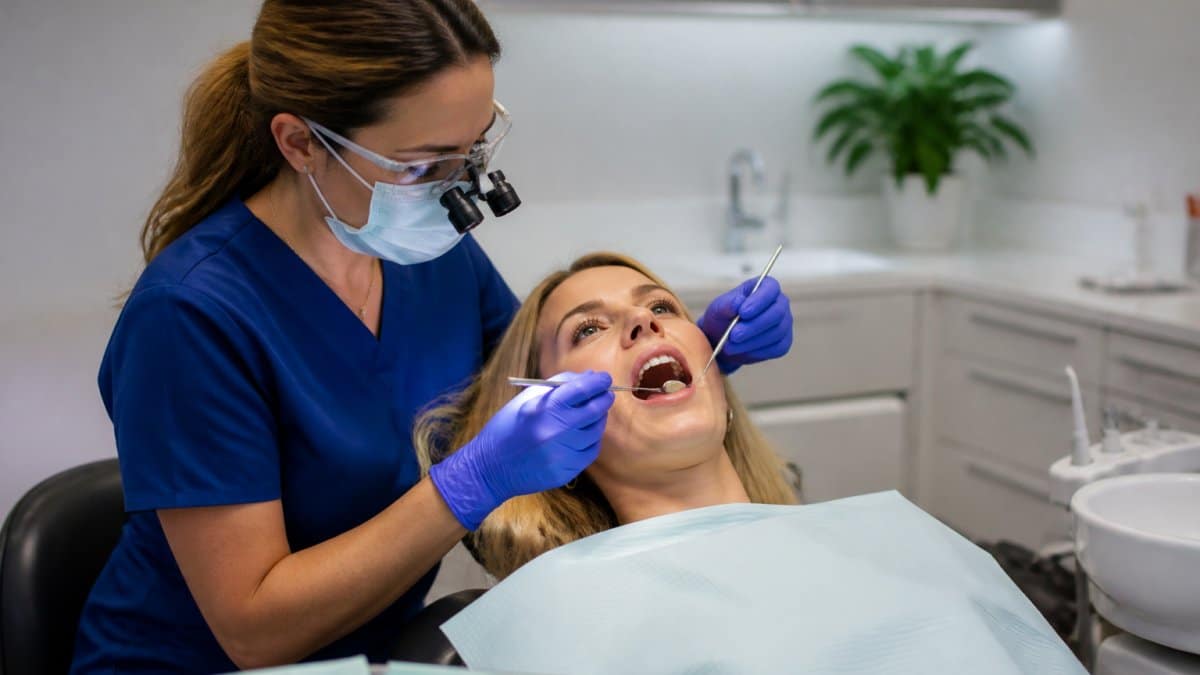
Restorative Dental Care for Adults: A 2026 Guide
Table of Contents
- What Is Restorative Dental Care for Adults?
- Restorative Dentistry vs Cosmetic Dentistry: Key Differences
- Common Restorative Dental Treatments
- Dental Implants: A Permanent Solution for Missing Teeth
- Choosing the Right Restorative Treatment for Your Needs
- What to Expect: Treatment Process, Recovery, and Aftercare
- Costs, Risks, and Long-Term Maintenance
- Frequently Asked Questions
Last Updated: October 19, 2026
What Is Restorative Dental Care for Adults?
Restorative dental care is the branch of dentistry focused on repairing, rebuilding, and replacing teeth that have been damaged, decayed, or lost. Unlike preventative dentistry, which aims to stop problems before they start, restorative treatment addresses existing damage to restore both function and appearance. For adults, this becomes increasingly important as years of wear, decay, or injury accumulate.
At Smile Design Studio, we see restorative dental care as essential for maintaining not just a healthy bite and chewing function, but also confidence in your smile. When teeth are compromised, whether by cavities, fractures, or missing teeth, they affect how you eat, speak, and feel about yourself. Restorative treatments range from simple fillings to complex implant procedures, each designed to return your teeth to working order.
The goal of restorative dentistry is twofold: restore oral function so you can eat and speak without discomfort, and preserve the natural structure of your teeth wherever possible. This is why many restorative treatments prioritize saving your own tooth material first, moving to replacement only when necessary.
Restorative Dentistry vs Cosmetic Dentistry: Key Differences
The distinction between restorative and cosmetic dentistry matters because they address different priorities, though they often overlap in practice. Restorative dentistry focuses on function and health, fixing decay, replacing missing teeth, and restoring your ability to chew and bite properly. Cosmetic dentistry prioritizes appearance, whitening, straightening, or reshaping teeth to improve aesthetics.
That said, the line blurs frequently. A dental crown restores a weakened tooth’s function, but it also improves appearance. A composite filling repairs decay and looks natural. Dental implants replace missing teeth and restore your smile’s fullness.
The key difference lies in necessity. Restorative work addresses problems that affect your oral health and function. Cosmetic work enhances what’s already healthy. In practice, most adults benefit from both: restoring damaged teeth restores function, and the improved appearance is a welcome side effect.
Common Restorative Dental Treatments
Restorative dentistry offers several well-established treatments, each suited to different types of damage. Understanding your options helps you make informed decisions with your dentist about what works best for your situation.
Dental Fillings for Decay and Minor Damage
Dental fillings repair cavities and minor fractures by filling the damaged area with a durable material. Modern fillings use composite resin, a tooth-coloured material that bonds directly to your tooth, rather than the older amalgam (silver) fillings. Composite fillings are stronger, more natural-looking, and preserve more of your original tooth structure.
The process is straightforward. Your dentist removes the decayed portion, cleans the cavity, and fills it with composite material layer by layer, hardening each layer with a special light. The entire procedure typically takes 20 to 30 minutes for a single tooth. Composite fillings last 5 to 10 years with proper care, though they may need replacement over time as they wear.
A common misconception is that fillings are permanent. They’re not, they’re a durable repair, not a restoration. Over years, fillings can chip, crack, or develop leaks at the edges where bacteria can re-enter and cause new decay. Regular check-ups catch these issues early.
Dental Crowns for Weakened or Fractured Teeth
A dental crown is a tooth-shaped cap that covers a damaged or weakened tooth, restoring its shape, size, and strength. Crowns are used when a tooth has significant decay, a large filling, a root canal, or a fracture that’s too extensive for a simple filling to repair.
The process takes two appointments. At the first visit, your dentist removes the decayed or damaged portion and shapes the remaining tooth to accept the crown. An impression is taken, and a temporary crown is fitted while your permanent one is made in the laboratory. At the second appointment, typically one to two weeks later, the temporary crown is removed and the permanent one is cemented in place.
Crowns made from porcelain or ceramic look and feel like natural teeth. They’re durable, lasting 10 to 15 years or longer with good care, and they restore full chewing function. The trade-off is that crowning a tooth is more invasive than a filling because it requires removing more tooth material, which is why dentists prefer fillings when the damage is minor enough.
Dental Bridges and Dentures for Missing Teeth
When one or more teeth are missing, bridges and dentures are traditional options for replacing them. A dental bridge is a fixed prosthetic that literally bridges the gap created by a missing tooth. It consists of a false tooth anchored to the teeth on either side, which must be crowned to support it.
Dentures are removable prosthetics that replace multiple missing teeth or an entire arch. Partial dentures replace several teeth; full dentures replace all teeth on the upper or lower jaw. Dentures are less invasive than bridges because they don’t require crowning adjacent teeth, but they require daily cleaning and removal, and they may feel less stable than fixed options.
Both bridges and dentures work, but each has limits. Bridges require healthy adjacent teeth to support them. Dentures can shift during eating and speaking, and they require adjustment as your jawbone changes shape over time. Neither option prevents bone loss in the jaw where teeth are missing, which is why many dentists now recommend implants as a first choice when feasible.
Root Canal Treatment to Save Infected Teeth
When decay or trauma reaches the nerve inside your tooth, a root canal treatment becomes necessary to save the tooth. The procedure removes the infected or inflamed nerve tissue, cleans the inside of the tooth, and fills it with a biocompatible material to seal it permanently.
Root canals have a reputation for being painful, but modern techniques and anaesthetics make them no more uncomfortable than a filling. The infection itself causes pain; removing it usually brings relief. The procedure typically takes one to two hours, depending on the tooth’s complexity. Afterwards, the tooth is usually crowned to protect it and restore full function.
A tooth that has had a root canal is no longer “alive” in the sense that it no longer has nerve sensation, but it remains functional and can last a lifetime with proper care. Many adults have one or more root canal-treated teeth that serve them well for decades.
Dental Implants: A Permanent Solution for Missing Teeth
Dental implants represent a significant advancement in tooth replacement. An implant is a small titanium post surgically placed into your jawbone where a tooth is missing. Over several months, the bone integrates with the implant in a process called osseointegration. Once stable, a crown is attached to the implant, creating a replacement tooth that looks, feels, and functions like a natural tooth.
Implants offer advantages that bridges and dentures cannot match. They don’t require adjacent teeth to be crowned, they prevent bone loss in the jaw, they’re permanent, and they restore full chewing function and comfort.
The drawbacks are cost and time. Implants are more expensive than bridges or dentures, and the process takes several months from placement to final crown. They also require sufficient jawbone to support them; if bone loss has occurred, bone grafting may be necessary first. Not all patients are candidates.

Choosing the Right Restorative Treatment for Your Needs
Selecting the right restorative treatment depends on several factors: the extent of damage, the location of the tooth, your budget, your timeline, and your long-term goals. Here’s how to think through the decision.
For single missing teeth, implants are generally the best option if you’re a suitable candidate and can afford them. They preserve adjacent teeth and prevent bone loss.
For decayed or fractured teeth, start with the least invasive option that will last. A filling works for minor decay. A crown is necessary for larger cavities or fractures. A root canal is needed if the nerve is infected.
For multiple missing teeth, dentures are affordable and don’t require surgery, but they’re less stable and require daily maintenance. A bridge works if the missing teeth are adjacent and the supporting teeth are healthy.
Your dentist should present these options clearly, explaining the pros and cons of each. A good consultation includes understanding not just what’s wrong, but what outcome matters most to you, whether that’s cost, speed, durability, comfort, or appearance.
What to Expect: Treatment Process, Recovery, and Aftercare
Understanding what happens during and after restorative treatment reduces anxiety and helps you prepare. Most restorative procedures are performed under local anaesthetic, so you won’t feel pain, though you may feel pressure or vibration.
Fillings require no recovery time. You can eat normally once the anaesthetic wears off, though it’s sensible to avoid hard or sticky foods for a day to let the material fully set.
Crowns involve two appointments. After the first appointment, you’ll wear a temporary crown that may feel slightly different. Avoid very hot or cold foods and don’t chew on that side if possible.
Root canals may cause mild sensitivity or soreness for a few days afterwards. Over-the-counter pain relief usually manages this.
Implants require the most recovery time. After placement, you’ll have some swelling and discomfort for a few days, managed with prescribed pain relief and ice.
Aftercare is crucial for all restorative work. Brush twice daily with a soft toothbrush, floss daily, and attend regular check-ups. Avoid habits that damage teeth, grinding, chewing ice, or using teeth as tools.
Costs, Risks, and Long-Term Maintenance
Cost is a legitimate concern with restorative dental care. Prices vary widely depending on the treatment, the complexity, and your location. For specific pricing and payment options, contact Smile Design Studio directly for a consultation and quote.
In general terms, fillings are the most affordable option. Crowns cost more because they involve laboratory work. Root canals are complex and time-intensive. Bridges and dentures fall in the mid-range.
Risks are generally low with modern restorative dentistry, but they exist. Fillings can fail or leak. Crowns can come loose or crack. Root canals occasionally fail and need retreatment.
Long-term maintenance is essential. Restorative work isn’t a one-time fix, it requires ongoing care. Fillings last 5 to 10 years. Crowns last 10 to 15 years. Root-canal-treated teeth can last a lifetime if crowned and cared for.
The most important maintenance step is prevention. Regular brushing, flossing, and check-ups catch problems early. Many adults who’ve had restorative work find that preventing new damage is far easier than repairing it.
Restorative dental care addresses damage that affects not just how your teeth look, but how they function and how you feel.
Frequently Asked Questions
What is restorative dental care for adults?
Restorative dental care focuses on repairing, rebuilding, and replacing teeth damaged by decay, trauma, or age. It restores tooth function, bite strength, and appearance through treatments like fillings, crowns, implants, and bridges. The goal is to preserve your natural teeth and oral health while improving chewing ability and smile confidence.
What’s the difference between restorative dentistry and cosmetic dentistry?
Restorative dentistry treats functional problems: repairing decayed teeth, replacing missing ones, and restoring bite. Cosmetic dentistry enhances appearance without addressing structural damage, such as whitening or veneers. Many treatments, like crowns, do both, but restorative dentistry prioritises function and health first.
Can restorative dental treatments replace missing teeth?
Yes. Options include dental bridges (fixed prosthetics anchored to adjacent teeth), dentures (removable replacements), and dental implants (titanium posts surgically placed in the jawbone). Implants offer the most stable, long-lasting solution, though all three restore chewing function.
How do I know which restorative treatment is right for me?
Your dentist will assess the extent of damage, your jawbone health, budget, and personal preferences. A single decayed tooth may need only a filling or crown; multiple missing teeth might benefit from implants or bridges. A consultation with your dentist will include imaging and a discussion of risks, timelines, and costs for each option.
Are restorative dental procedures painful?
Modern restorative treatments use local anaesthesia to numb the area, so you shouldn’t feel pain during the procedure itself. You may experience pressure or vibration. Some treatments, like implant placement, involve more extensive surgery but are performed under anaesthesia. Mild discomfort or sensitivity after treatment is normal and typically resolves within days.
How long do restorative dental treatments last?
Lifespan varies: composite fillings last 5-10 years, crowns 10-15 years, bridges 10-15 years, and dental implants 20+ years with proper care. Dentures require replacement every 5-8 years as your jawbone changes. Regular brushing, flossing, and dental check-ups extend the life of all restorative work.
Related posts