Fixing Damaged Teeth with Restorative Dentistry
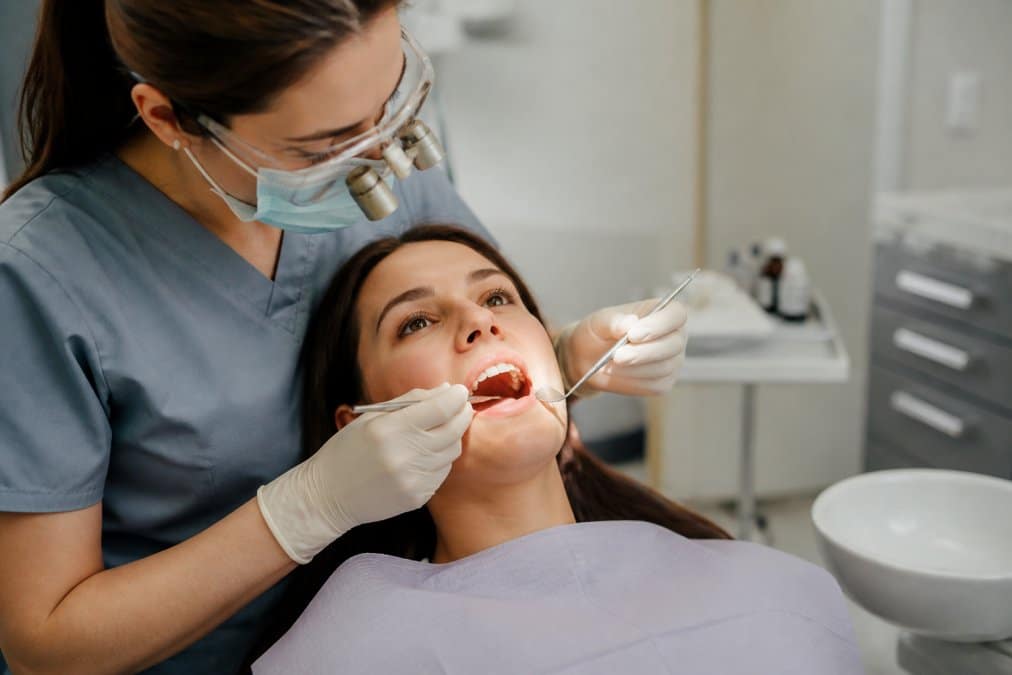
Fixing Damaged Teeth with Restorative Dentistry
Table of Contents
- What Is Restorative Dentistry?
- Common Causes of Tooth Damage and When to Seek Help
- Types of Dental Fillings for Damaged Teeth
- Restorative Procedures: From Crowns to Full Mouth Rehabilitation
- Restorative Dentistry Recovery Time and Aftercare
- Benefits of Restoring Your Teeth: Function and Aesthetics
- Your Step-by-Step Patient Journey
- Frequently Asked Questions
Last Updated: September 25, 2026
What Is Restorative Dentistry?
Restorative dentistry is the branch of dental care focused on repairing, rebuilding, and replacing damaged or missing teeth to restore both function and appearance. It combines clinical skill with aesthetic principles to help patients recover the ability to eat, speak, and smile with confidence.
Restorative dentistry offers solutions ranging from simple fillings to comprehensive full mouth rehabilitation, returning your teeth to health and restoring comfort in your smile.
At Smile Design Studio, we approach every restorative case with careful planning and attention to detail, using advanced techniques and premium materials to ensure results that look natural and last.
The best time to address tooth damage is as soon as you notice it. Early intervention often means simpler, less costly treatment and better long-term outcomes.
Common Causes of Tooth Damage and When to Seek Help
Common causes include decay (bacteria produce acid that eats through enamel), bruxism (teeth grinding), trauma from falls or sports injuries, wear from age or acidic foods, and periodontal disease.
You should see a dentist when:
- You notice a visible chip, crack, or dark spot on a tooth
- You experience pain when biting or sensitivity to hot, cold, or sweet foods
- You have a missing tooth or teeth
- Your bite feels uneven or uncomfortable
- You see swelling or bleeding in your gums
- It’s been more than six months since your last check-up
Don’t wait for pain to prompt a dental visit. Regular check-ups catch damage early, when treatment is typically faster and less involved.
Types of Dental Fillings for Damaged Teeth
When decay creates a cavity, a filling restores the tooth’s structure and prevents further damage. Modern dentistry offers several filling options, each with different strengths.
Composite resin fillings (tooth-colored) are the most popular choice. They bond directly to your tooth, match your natural colour, require less tooth removal, and last 5-10 years with good care.
Amalgam fillings (silver-coloured) are extremely durable, lasting 10-15 years or longer, and are the most affordable option, though many patients prefer composite for aesthetic reasons.
Glass ionomer fillings release fluoride to protect against decay and are often used near the gum line, though they last only 5-7 years.
Ceramic or porcelain inlays and onlays are custom-made restorations that last 20+ years and look natural, though they require more tooth preparation and cost more than fillings.
The right choice depends on the cavity’s size, location, and your preferences. Your dentist will recommend the best option for your specific situation.
Restorative Procedures: From Crowns to Full Mouth Rehabilitation

Restorative dentistry encompasses many procedures beyond fillings. When damage is more extensive, these treatments restore function and aesthetics. Understanding your options, and the financial and insurance implications of each, helps you make informed decisions aligned with your budget and timeline.
Dental Crowns and the Cost of Dental Crowns in the UK
A dental crown is a cap that covers a damaged tooth, restoring its shape, size, and strength. Crowns are used when a tooth is too damaged for a filling, after root canal therapy, or to support a bridge.
Crowns are made from porcelain, ceramic, or metal-porcelain combinations and look indistinguishable from natural teeth. The procedure typically takes two appointments: preparation and fitting.
Cost and financial planning for crowns:
The cost of dental crowns in the UK varies by material and provider. NHS crowns cost £282.80 per crown (Band 3 treatment, as of 2024). For private crowns, pricing depends on the specific materials and complexity of the case. You can find current pricing information on our website or by contacting us for a personalized quote.
Navigating insurance and payment options:
If you have private dental insurance, check your policy for crown coverage. Contact your insurer before treatment for pre-authorisation requirements.
For NHS treatment, you must be a registered NHS patient. Contact your local NHS dental practice to arrange registration. Once registered, you’ll pay the Band 3 charge per crown.
Many private practices offer interest-free payment plans over 6-12 months or discounts for multiple crowns.
Avoid delaying crown treatment if your dentist recommends it. A cracked or severely decayed tooth can worsen, potentially leading to infection or tooth loss, which would require more complex and costly treatment (such as extraction and implant placement, which costs significantly more than a crown).
Composite Bonding and Porcelain Veneers
Composite bonding uses tooth-coloured resin applied directly to the tooth and hardened with light. It’s quick, affordable, requires minimal preparation, and lasts 5-10 years. Private cost ranges from £150 to £400 per tooth.
Porcelain veneers are thin shells custom-made to cover the front surface of teeth. They’re stronger than bonding, last 10-15 years or longer, and cost £800 to £2,000 per tooth privately. They’re ideal for reshaping teeth or closing gaps.
Dental Implants and Bridges for Missing Teeth
When a tooth is missing, two main restorative options exist: dental implants and dental bridges. Each has distinct cost, timeline, and longevity implications.
A dental implant is an artificial tooth root surgically placed into the jawbone. Once the bone heals (3-6 months), a crown is attached. Implants look, feel, and function like natural teeth, preserve jawbone, and last 20+ years with proper care.
A single implant typically takes 4-8 months from surgery to final crown placement. For pricing and payment options, please refer to our website or book a consultation. For multiple missing teeth, implant-supported bridges may be more cost-effective.
A dental bridge spans the gap where a tooth is missing, with crowns on adjacent teeth supporting a false tooth. Bridges are less expensive and faster than implants (2-3 weeks), but require adjacent teeth modification and don’t prevent jawbone loss. They last 10-15 years.
A three-unit bridge costs £282.80 per unit on the NHS (Band 3). For private bridge pricing, please refer to our website or book a consultation.
Consider implants if you have good bone density, can afford higher upfront cost, want a 20+ year solution, and prefer not to modify adjacent teeth. Consider bridges if you need a faster solution or have a limited budget.
Your dentist can assess your situation and recommend the best option. Request a written treatment plan with itemised costs for each component.
When comparing implants and bridges, factor in the total cost of ownership over 10-20 years, not just the initial price. A bridge may need replacement after 10-15 years, whereas an implant typically lasts much longer, making it more economical over time despite higher upfront cost.
Restorative Dentistry Recovery Time and Aftercare
Immediate recovery by procedure:
Fillings. No recovery time. You can eat and drink immediately after placement, though wait 2-3 hours for anaesthetic to wear off.
Composite bonding. No downtime. Avoid hard or sticky foods for 24 hours.
Crowns. Minimal recovery. You may experience slight sensitivity for 2-7 days. Avoid chewing on the crown for the first week.
Dental bridges. Minimal sensitivity for a few days. Avoid hard or sticky foods for the first week.
Dental implants. The longest recovery period. Expect swelling and discomfort for 3-5 days. Full bone healing takes 3-6 months. You’ll wear a temporary tooth during osseointegration and follow strict care protocols.
Porcelain veneers. No recovery time. Ready for normal use immediately.
Long-term maintenance: extending the life of your restorations
Most restorations fail not because of poor initial placement, but because of inadequate maintenance. The following practices directly extend longevity:
Daily oral hygiene. Brush twice daily with a soft-bristled toothbrush and fluoride toothpaste. Floss daily, especially at restoration margins where decay commonly begins. For implants, use implant-specific floss or water flossers.
Protective measures. If you grind your teeth, wear a custom night guard, bruxism is a leading cause of restoration failure. Avoid chewing ice, hard sweets, or sticky foods that crack or dislodge restorations.
Dietary considerations. Acidic foods and drinks soften enamel and expose restoration margins. Rinse with water after consuming them and wait 30 minutes before brushing.
Regular professional check-ups. Attend check-ups every 6 months. Your dentist checks restoration margins for decay, assesses integrity, and monitors implant health. Professional cleaning removes plaque and tartar around restoration margins.
Specific longevity expectations with proper care:
- Composite fillings: 5-10 years (sometimes longer with excellent hygiene)
- Amalgam fillings: 10-15 years or longer
- Composite bonding: 5-10 years
- Crowns and bridges: 10-15 years, often 20+ years with meticulous care
- Porcelain veneers: 10-15 years, sometimes 20+ years
- Dental implants: 20+ years, potentially a lifetime with proper maintenance
Common post-restoration issues: Mild sensitivity for 1-2 weeks is normal; contact your dentist if it persists.
Set calendar reminders for your 6-monthly check-ups and your annual dental hygiene review. Consistency in professional care is the single strongest predictor of restoration longevity.
Benefits of Restoring Your Teeth: Function and Aesthetics
Restoring damaged teeth delivers benefits that go far beyond appearance.
Your Step-by-Step Patient Journey
Understanding what to expect helps reduce anxiety and builds confidence in your treatment plan.
Frequently Asked Questions
Can damaged teeth be restored with restorative dentistry?
Yes. Restorative dentistry can repair chipped, cracked, decayed, and missing teeth using fillings, crowns, implants, and other techniques. The success of restoration depends on the extent of damage and the tooth’s remaining structure. A qualified dentist will assess whether your tooth can be saved or whether extraction and replacement is the better option. Early intervention typically gives the best outcomes.
How long does recovery take after restorative dentistry treatment?
Recovery time varies by procedure. Simple fillings require no recovery period. Crowns and bridges typically need 1-2 weeks for gum healing and adjustment. Dental implants require 3-6 months for osseointegration (bone integration) before the final restoration. Root canal therapy may cause mild sensitivity for a few days. Your dentist will provide specific aftercare instructions based on your treatment.
What are the main types of dental fillings for damaged teeth?
Common filling materials include composite resin (tooth-coloured, aesthetic), amalgam (silver, durable), glass ionomer (fluoride-releasing), and ceramic. Composite resin is popular for visible teeth because it matches natural tooth colour. Amalgam is stronger and longer-lasting but less aesthetic. Your dentist will recommend the best material based on the tooth’s location, size of damage, and your preferences.
Is restorative dentistry worth the cost?
Restorative dentistry restores oral function, prevents further decay, and improves confidence and appearance. Untreated damaged teeth can lead to infection, bone loss, and more expensive treatment later. While private restorative care involves investment, it prevents complications and extends your tooth’s lifespan. Discuss pricing and payment options with your dentist to understand the value for your specific situation.
Related posts