7 Ways to Relax Before a Dental Appointment
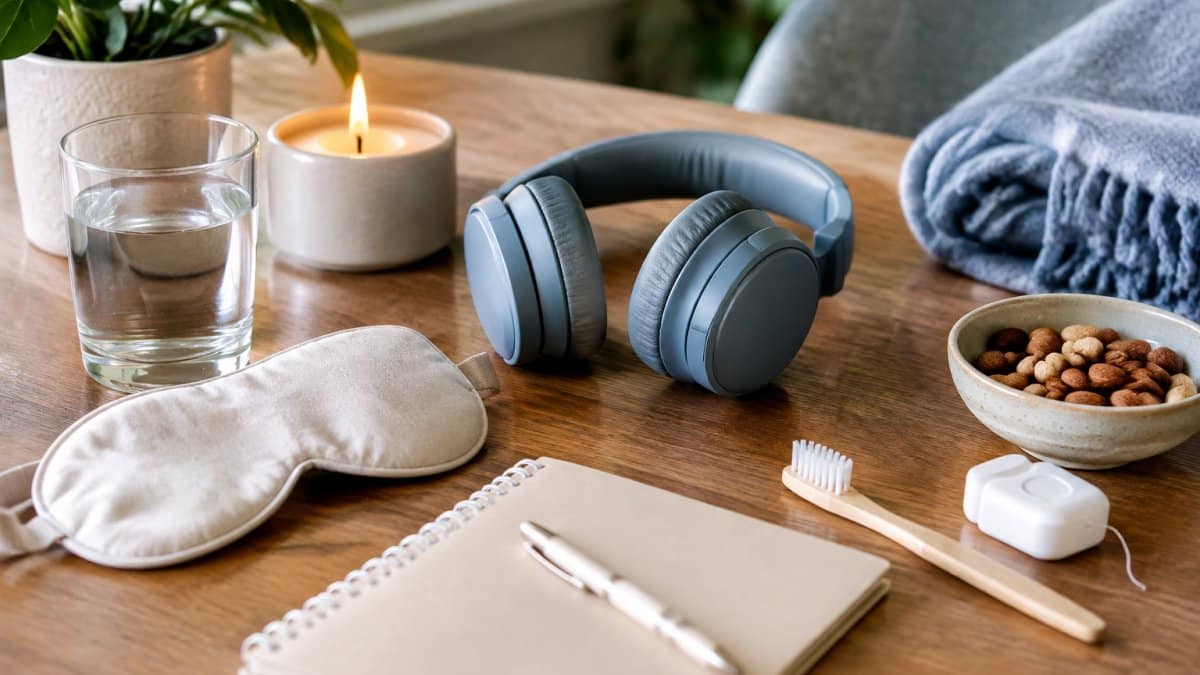
7 Ways to Relax Before a Dental Appointment
Last Updated: November 6, 2026
Quick Summary
The 7 ways to relax before a dental appointment include planning ahead, following a timed routine in the final hour, and using breathing exercises like box breathing or 4-7-8 breathing. Tell your dentist about your anxiety, agree a pause signal, and use distraction, grounding tools or visualisation to stay calm.
- Book a morning slot so anxiety does not build through the day.
- Avoid too much caffeine because it raises your heart rate and mimics panic.
- Practise box breathing or 4-7-8 breathing at home before the appointment.
- Agree a physical pause signal, such as raising your left hand, before treatment begins.
- Use noise-cancelling headphones to dull the sound of the drill.
Table of Contents
- 1. Plan the Visit and Prepare Ahead
- 2. How to Calm Nerves Before a Dentist Appointment
- 3. Breathing Exercises for Dental Anxiety
- 4. What to Tell Your Dentist About Anxiety
- 5. Distraction Techniques at the Dentist
- 6. Mindfulness, Meditation and Visualisation
- 7. What to Do When Anxiety Becomes Panic
- Book a Calm, Patient-Centred Appointment
- Frequently Asked Questions
1. Plan the Visit and Prepare Ahead
Dental anxiety is a recognised barrier to regular care, and many people delay check-ups for years because of it, which is why we have put together 7 ways to relax before a dental appointment. The most helpful way to relax before a dental appointment is to remove uncertainty before the day arrives. Planning ahead does more for your nerves than any last-minute breathing trick.
The Night Before and Morning Of
Book a morning slot if you can. Anxiety tends to build through the day, so getting the visit done early stops you from rehearsing worst-case scenarios for hours. Lay out what you need the night before, charge your phone and headphones, and eat something light unless your practice has told you otherwise.
Avoid too much caffeine. It raises your heart rate, which mimics the physical signs of panic and makes it harder to calm your body in the waiting room.
What to Bring With You
A small comfort kit makes a real difference:
- Headphones and a downloaded playlist or audiobook
- Sunglasses, in case the surgery lighting feels intense
- A list of questions or concerns written down
- A fidget tool or something to hold
- Details of any medication you take
If you would like to understand how sedation options compare before you decide, our guide on how to choose conscious sedation vs general anesthesia explains the differences in plain terms.
2. How to Calm Nerves Before a Dentist Appointment
The answer to how to calm nerves before a dentist appointment, and the thinking behind our 7 ways to relax before a dental appointment, is structure, not willpower. Nerves settle when you give them something specific to do. A timed routine for the final hour works better than vague attempts to “stay positive”, because it occupies the part of your mind that would otherwise be imagining the drill.
A Timed Routine for the Final Hour
- 60 minutes before: eat a light snack, take any prescribed medication as directed, and confirm your travel time.
- 45 minutes before: do five minutes of slow breathing, then stop focusing on the appointment entirely.
- 30 minutes before: listen to music, a podcast or an audiobook at a comfortable volume.
- 15 minutes before: arrive, sit down, and tell reception you are anxious if that helps.
- In the waiting room: keep your headphones on, put your phone away, and use the breathing pattern below.
Arriving early is better than rushing. Rushing raises your stress levels before you have even sat in the dental chair.
A timed routine for the final hour gives your nerves something specific to do.
| Time before appointment | What to do |
|---|---|
| 60 minutes before | Eat a light snack, take prescribed medication, confirm travel time |
| 45 minutes before | Do five minutes of slow breathing, then stop focusing on appointment |
| 30 minutes before | Listen to music, podcast or audiobook at comfortable volume |
| 15 minutes before | Arrive, sit down, tell reception you are anxious if helpful |
| In the waiting room | Keep headphones on, put phone away, use breathing pattern |
3. Breathing Exercises for Dental Anxiety
Breathing exercises for dental anxiety work because slow, controlled breathing signals to your body that you are not in danger. You cannot think your way out of a racing heart, but you can breathe your way out of it. Two patterns suit most people.

Box Breathing and 4-7-8 Breathing
Box breathing follows a simple four-count rhythm: inhale for four, hold for four, exhale for four, hold for four. Repeat for two minutes. It is easy to do discreetly in a waiting room because it needs no equipment.
4-7-8 breathing uses a longer exhale: inhale through the nose for four counts, hold for seven, exhale slowly through the mouth for eight (Breathing Techniques). The extended exhale is the part that helps calm the body.
Practise either pattern at home first. A technique you have never tried before is far less useful on the day. The NHS guidance on breathing exercises for stress sets out similar approaches and is worth reading before your visit.
4. What to Tell Your Dentist About Anxiety
Tell your dentist at the start of the appointment, in your own words. You do not need to explain or justify it. A good practice will adjust how it works with you once it knows. This is the single most useful thing you can say in the dental chair.
Agreeing a Pause Signal
Agree a physical signal before treatment begins, such as raising your left hand. That gives you a sense of control, because you know you can stop the procedure at any point without having to speak. Ask your dentist to explain each step before doing it, and to tell you when a noisy instrument is about to be used.
Be specific about what worries you. Fear of pain, fear of the drill, fear of gagging and fear of feeling trapped are different problems, and each calls for a different response. If you have had a bad experience before, say so.
5. Distraction Techniques at the Dentist
Distraction techniques at the dentist work by giving your attention somewhere else to go. They are not about ignoring the treatment; they are about stopping your mind from amplifying every sound.
Music, Headphones and Audiobooks
Noise-cancelling headphones are the most reliable option because they dull the sound of the drill, which is a common trigger. A playlist you know well, an audiobook or a podcast all work. Download everything in advance so a weak signal in the building does not undo your preparation. Ask first whether your practice is happy for you to wear them during treatment.
Grounding and Fidget Tools
Grounding means anchoring your attention in something physical. Try pressing your feet flat into the floor, counting the tiles on the ceiling, or holding a small object and focusing on its texture. A simple fidget tool gives restless hands somewhere to go. None of this is childish; it is a practical way to keep your nervous system occupied.
6. Mindfulness, Meditation and Visualisation
Mindfulness is the practice of paying attention to the present moment without judging it. For dental visits, that means noticing the sensation of your breath or the weight of your body in the chair rather than rehearsing what might happen next. Some popular apps offer short guided sessions that take only a few minutes.
Visualisation uses the same principle in reverse. Choose a calming place you know well, whether that is a beach, a garden or a quiet room, and work through it in detail: what you can see, hear and feel. The aim is not to escape the appointment but to keep your mind from spiralling.
Set realistic expectations. These methods can help some people manage distress, but they are not a cure for dental phobia. If anxiety has kept you away from the dentist for years, tell the practice so they can discuss the support options available to you.
7. What to Do When Anxiety Becomes Panic
Panic during a dental appointment feels overwhelming but passes. The most important thing is to use your pause signal immediately. Stop the treatment, sit upright, and return to slow breathing with a longer exhale. Name five things you can see and four you can hear to bring yourself back into the room.
Watch out: leaving without telling anyone can make the next visit harder, because the fear becomes associated with escape. If you need to stop, say so, and ask to reschedule.
If panic attacks are frequent, speak to your GP as well as your dentist. There is support available, and it is not something you have to manage alone.
Book a Calm, Patient-Centred Appointment
Nerves about dental care are common, and they are treatable with the right preparation and the right practice. If you are ready to take the next step, our guide on how to book a private dental appointment walks through the practical details, and you can also read about how to find a local private dentist if you are still choosing. For reassurance about treatment itself, see our explanation of whether cosmetic dentistry is painful for adults.
Frequently Asked Questions
How can I calm my nerves before a dental appointment?
Start the night before by laying out what you need and eating a light meal. In the final hour, try slow breathing, a calming playlist or a short walk. Tell the reception team you feel anxious when you arrive so they can give you a moment in the waiting room. Small, practical steps like these can help many people relax before dental treatment.
Can breathing exercises help with dental anxiety?
Breathing exercises for dental anxiety work by slowing your heart rate and giving your mind something concrete to focus on. Try box breathing: inhale for four counts, hold for four, exhale for four, hold for four, and repeat. The 4-7-8 pattern, where you exhale for longer than you inhale, is another option. Practise at home first so the technique feels familiar when you are in the chair.
Should I tell my dentist that I feel anxious?
Yes. Telling your dentist about anxiety is one of the most useful things you can do. Explain what specifically worries you, such as the drill, the needle or feeling unable to stop treatment. Ask them to explain each step before they do it and agree a pause signal, such as raising your hand.
What can I listen to during a dental appointment?
Music, podcasts and audiobooks are among the most effective distraction techniques at the dentist. Noise-cancelling headphones help mask the sound of the drill. Create a calm playlist in advance or download an audiobook so you do not need a signal in the chair. Ask the practice whether you can wear headphones during treatment, and keep the volume low enough to hear your dentist’s instructions.
Can I bring someone with me to a dental appointment?
Ask the practice in advance whether a friend or family member can join you, so the team can plan for it. If you have a dental phobia, having someone drive you home and sit with you beforehand can reduce stress.
At Smile Design Studio, we provide a calm, modern environment with a patient-centred approach, specialised care for nervous patients, and clear communication so you can make confident decisions about your care. Get started with Smile Design Studio and book a visit at a pace that feels right for you.

Related posts