Is Private Dental Care Worth It? A Balanced Guide
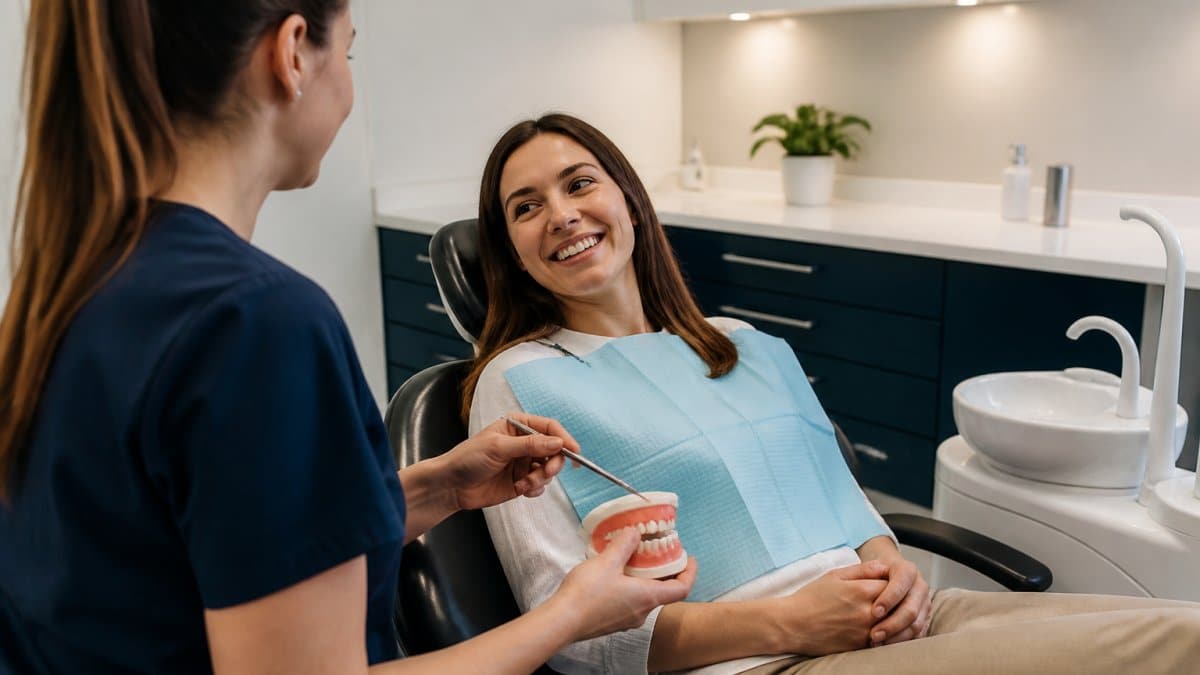
Is Private Dental Care Worth It? A Balanced Guide
Table of Contents
- Is Private Dental Care Worth It? Understanding the Core Question
- Private vs NHS Dentist: Key Differences Beyond Cost
- Private Dentist Costs: What You Actually Pay
- Benefits of Private Dentistry: What Sets It Apart
- How Private Dental Care Works: Your Treatment Journey
- Mixing NHS and Private Treatment: A Practical Option
- When Private Dentistry Makes Financial Sense
- Making Your Decision: A Framework for Choosing
- Frequently Asked Questions
Last Updated: October 20, 2026
Is Private Dental Care Worth It? Understanding the Core Question
The decision between private and NHS dentistry hinges on one question: what are you actually paying for? At Smile Design Studio, we work with patients daily who wrestle with this choice. Some need speed.
Private dental care worth the investment depends entirely on your circumstances. For some patients, the difference justifies itself within months. For others, NHS care remains the sensible choice.
This guide breaks down the practical realities: what you’ll actually pay, how quickly you’ll get seen, what treatment options open up, and when private dentistry genuinely delivers value.
Private vs NHS Dentist: Key Differences Beyond Cost
The gap between private and NHS dentistry runs deeper than price. It shapes how you’re treated, what options you have, and how much control you exercise over your own care.
Appointment availability and waiting times
NHS dental practices across the country face consistent pressure. Many have closed to new patients (New measures to improve access to dental care).
Private practices operate differently. Most private dentists maintain shorter waiting times, often offering appointments within days rather than months. This speed matters most when you’re in pain or need urgent treatment.
The trade-off is straightforward: you pay more for faster access. Whether that’s worth it depends on how urgently you need care and how much disruption a long wait causes you.
Treatment choice and flexibility
NHS dentistry operates within constraints. Your dentist follows NHS treatment guidelines, which emphasise cost-effective, evidence-based care. This is sensible stewardship of public resources. It also means some options are unavailable or restricted.
Private dentistry gives you choice. Want a crown made from a premium material rather than a standard option? Prefer a specific implant system? Interested in advanced cosmetic work?
Flexibility extends to scheduling too. Private practices often accommodate evening and weekend appointments. They may offer longer consultation times, allowing deeper discussion of your concerns and preferences.
Personalised care and appointment length
NHS appointments typically run 20-30 minutes. Your dentist works efficiently within this window, focusing on essential treatment and diagnosis. Nervous patients, complex cases, and detailed discussions often feel rushed.
Private dentistry typically allocates longer appointment slots, often 45 minutes to an hour. This time allows your dentist to discuss your concerns thoroughly, explain options in detail, and build rapport.
Continuity matters too. Private practices often assign you a specific dentist, creating a consistent relationship. NHS patients may see different dentists depending on availability.
Private Dentist Costs: What You Actually Pay
Cost is the obvious barrier to private care. Understanding what you’re actually paying for, and comparing it honestly to NHS charges, clarifies whether the investment makes sense for you.
NHS dental charges and treatment bands
NHS dentistry operates on a banding system.
The NHS bands cover routine examinations, preventive care, and most standard treatments. A check-up falls into one band. A filling, extraction, or scale and polish falls into another.
The advantage of banding is predictability: you know the cost upfront. The disadvantage is that you pay the full band charge regardless of complexity.
NHS charges are subsidised by taxation, which is why they’re substantially lower than private fees. However, NHS dentistry faces chronic underfunding, contributing to access problems and practice closures.
Private treatment pricing by service type
Private dentistry operates on a fee-per-treatment basis. Your dentist quotes specific costs for specific procedures. Prices vary by practice, location, and the complexity of your case.
A private check-up typically costs more than an NHS examination, you’re paying for longer appointment time and higher overhead.
The advantage is transparency and choice. You see the cost before committing. You can discuss alternatives, a crown versus a filling, for instance, and understand the price difference.
The disadvantage is unpredictability for complex cases. Extensive treatment can accumulate significant costs quickly.
Payment plans and dental insurance
Many private practices offer payment plans, spreading costs over months or years. This makes larger treatments more manageable financially. Some practices partner with specialist finance providers; others offer in-house plans.
Dental insurance exists in the private market, though coverage varies widely. Some plans cover routine care and preventive treatment. Others focus on emergency and restorative work. Most exclude cosmetic procedures. Premiums, excess amounts, and annual limits differ significantly between providers.
Insurance can reduce your out-of-pocket costs if you use dental care regularly. It’s less valuable if you rarely need treatment.
Benefits of Private Dentistry: What Sets It Apart
Private dentistry offers genuine advantages beyond speed and choice. Understanding what those advantages deliver helps you weigh the cost.
Quality of care and premium materials
Private practices invest in advanced equipment and premium materials. Your dentist may use higher-grade filling materials, more durable crown systems, or advanced diagnostic imaging.
The clinical environment matters too. Private practices typically maintain modern facilities, minimise infection risk through rigorous protocols, and invest in comfort, from seating to soundproofing to pain management techniques.
Your dentist’s expertise and specialisation often differ as well. Private practitioners frequently pursue additional training in cosmetic dentistry, implantology, or other specialisms. They may have dedicated time to stay current with emerging techniques and research.
Continuity of care and clinical standards
Seeing the same dentist consistently allows them to develop a deep understanding of your oral health, your preferences, and your concerns.
Private practices often maintain detailed patient records and treatment histories, enabling your dentist to spot patterns and anticipate problems. They can plan long-term care strategies rather than addressing only immediate issues.
Clinical standards in private practice are high. Dentists maintain professional indemnity insurance, continue professional development, and work to standards set by the General Dental Council (Standards and guidance).
How Private Dental Care Works: Your Treatment Journey
Understanding the practical process demystifies private dentistry and helps you feel in control.
Initial consultation and treatment planning
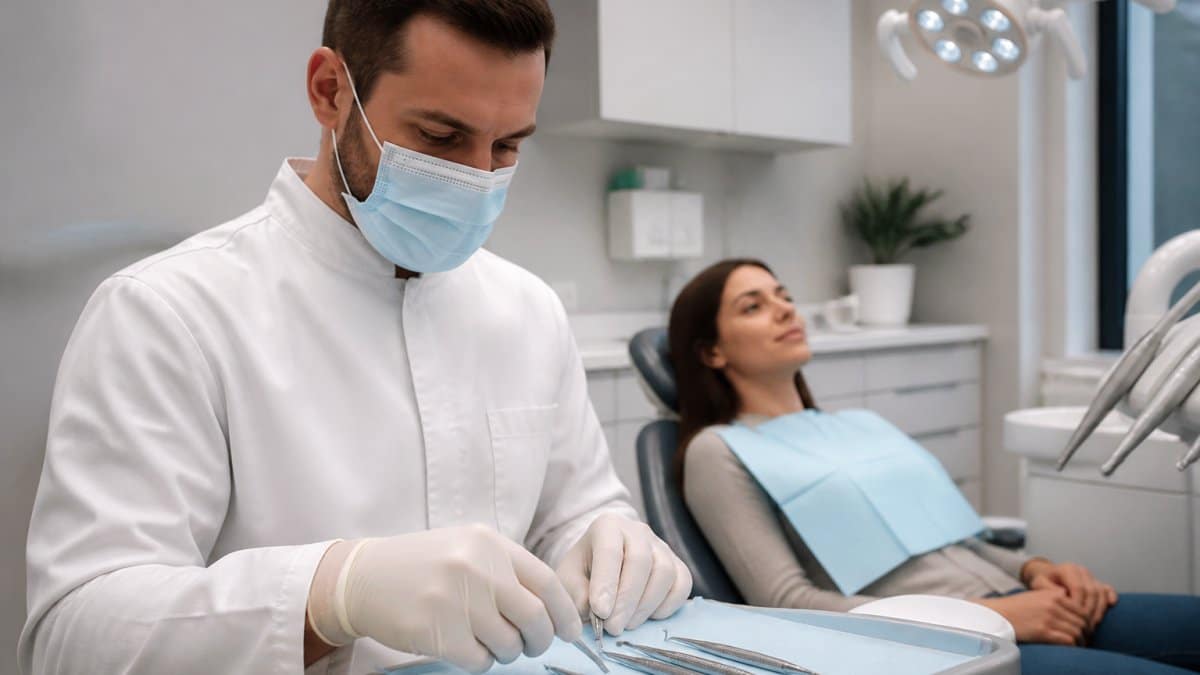
Your first appointment is a thorough assessment. Your dentist examines your teeth and gums, takes imaging if needed, and discusses your concerns, goals, and medical history. This consultation often takes 45-60 minutes, substantially longer than an NHS check-up.
Your dentist explains their findings in plain language, showing you any problems and discussing options. They create a treatment plan tailored to your needs and preferences, not a generic protocol.
This transparency is central to private dentistry. You’re an informed partner in your care, not a passive recipient of treatment.
Choosing your treatment options
Private dentistry offers genuine choice in ways NHS care often cannot. Your dentist presents options, different materials, techniques, timescales, and discusses the pros and cons of each.
Want a tooth-coloured filling instead of a standard amalgam? You can choose it. Prefer a specific implant system or crown material? That’s your decision. Interested in cosmetic refinement alongside necessary treatment? You can explore it.
This autonomy matters psychologically. You’re investing in your own care and making decisions that reflect your values and priorities, not following a predetermined path.
Mixing NHS and Private Treatment: A Practical Option
You don’t have to choose one system exclusively. Many patients mix NHS and private care strategically, balancing cost and access.
Some use NHS care for routine maintenance, check-ups and basic treatment, while turning to private practice for more complex or time-sensitive work. Others register with an NHS practice for emergencies but see a private dentist for planned procedures.
This hybrid approach can reduce overall costs whilst giving you private care where it matters most to you. Discuss this openly with both your NHS and private dentists to ensure coordinated, safe treatment.
When Private Dentistry Makes Financial Sense
Private care isn’t universally “worth it”, it depends on your specific situation and priorities.
Cosmetic and advanced treatments
Private dentistry excels here. Cosmetic work, teeth whitening, veneers, smile design, orthodontics, is rarely available on the NHS. If cosmetic improvement matters to you, private care is your only option.
Advanced treatments like dental implants, complex restorative work, or specialist procedures are more accessible privately. NHS implants are uncommon; private practices offer this routinely (the NHS). If you need advanced care, private dentistry often provides faster access and greater choice.
Restorative and specialist care
If you have complex dental needs, multiple missing teeth, severe decay, or significant damage, private dentistry’s longer appointments, continuity of care, and advanced techniques often deliver better outcomes. The investment in comprehensive, well-planned treatment can prevent future problems and save money long-term.
Specialist care, orthodontics, periodontal treatment, endodontics, is more readily available privately. If you need specialist expertise, private practice is usually your pathway.
Preventive care and long-term value
Private dentistry emphasises prevention. Regular appointments, thorough cleaning, detailed advice, and early intervention prevent problems before they become expensive. For patients committed to maintaining oral health, private care’s preventive focus often delivers long-term value.
Consider your dental history. If you’ve experienced significant problems, decay, or anxiety, private care’s personalised approach and continuity may prevent future costly treatment. If your teeth have remained healthy with minimal intervention, NHS care may adequately serve your needs.
Making Your Decision: A Framework for Choosing
Weigh these factors against your own situation:
| Factor | Favours NHS | Favours Private |
|---|---|---|
| Budget priority | Limited funds, prefer lower cost | Can invest in quality care |
| Speed needed | Can wait months | Need appointment quickly |
| Treatment complexity | Routine, straightforward care | Complex, advanced, or cosmetic work |
| Dental anxiety | Manageable with standard care | Benefits from longer, calmer appointments |
| Specialist needs | General care sufficient | Need specialist expertise |
| Long-term commitment | Occasional check-ups | Regular preventive investment |
At Smile Design Studio, we believe the right choice depends on your priorities. Some patients value speed and choice above cost. Others prioritise affordability. Many benefit from mixing both systems.
The honest truth: private dental care isn’t universally “worth it.” It’s worth it if what private dentistry offers, faster access, greater choice, longer appointments, premium materials, continuity of care, aligns with what matters most to you.
What matters most is getting regular dental care, wherever you receive it.
If you’re considering private dentistry and want to explore how personalised care, advanced techniques, and a calm, patient-centred environment could benefit your smile, we’d welcome a conversation.
Frequently Asked Questions
How does private dental care work compared to NHS dentistry?
Private dental care operates on a direct-pay basis: you pay the dentist for each treatment, with no NHS subsidy. You choose your dentist and schedule appointments at times that suit you, often with shorter waiting times. NHS dentistry is subsidised by the government, with patients paying fixed charges per treatment band. Private dentists typically spend more time on each patient and offer a wider range of treatment options, including cosmetic and advanced procedures that NHS dentistry may not provide.
What are the main benefits of private dentistry?
Private dentistry offers faster appointment availability, often with same-week or next-week slots for new patients. You receive personalised treatment plans tailored to your specific needs, longer appointment times, and continuity of care with the same dentist. Private practices use premium materials and advanced equipment, and they typically provide a calm, patient-centred environment. You also have access to cosmetic treatments like teeth whitening, veneers, and implants that are not routinely available on the NHS.
Can you use both NHS and private dental treatment?
Yes, many patients mix NHS and private care. You might use NHS dentistry for routine check-ups and preventive care, then choose private treatment for cosmetic work, specialist procedures, or when you need faster access. Some private dentists work with both NHS and private patients, though you cannot use the same dentist for both types of care on the same course of treatment. This mixed approach can help manage costs while accessing private services where they matter most to you.
Is private dental care worth the cost for routine check-ups?
For routine check-ups alone, private care may not offer strong financial value compared to NHS treatment, which is heavily subsidised. However, if you value shorter waiting times, longer appointments, or a specific dentist’s approach, private check-ups can be worthwhile. Private care becomes more cost-effective when combined with treatments like cosmetic dentistry, restorative work, or specialist procedures. The decision depends on your priorities: if speed and personalisation matter more than cost, private routine care may be justified; if you want the lowest cost, NHS dentistry typically offers better value for basic prevention.
Related posts