Top 10 Benefits of Porcelain Veneers for a Confident Smile
Top 10 Benefits of Porcelain Veneers for a Confident Smile
Last Updated: November 5, 2026
Quick Summary
Porcelain veneers are thin, custom-made ceramic shells bonded to the front of teeth to improve their colour, shape or size. Their top benefits include a natural-looking smile, concealing chipped or worn teeth, closing minor gaps, stain resistance and a typical lifespan of 10 to 15 years.
- Porcelain is generally more stain-resistant than composite because its glazed surface is non-porous.
- Veneers are not reversible, since some enamel removal is typically needed for the shells to sit flush.
- A night guard is one of the simplest ways to protect veneers if you grind your teeth.
- Brush twice daily with non-abrasive fluoride toothpaste and clean between teeth daily.
- Sensitivity after placement is common but usually settles within a few weeks.
Table of Contents
- What Porcelain Veneers Are and How They Work
- A Natural-Looking Smile Makeover with Translucent Custom-Made Shells
- Concealing Chipped, Cracked and Worn Teeth While Protecting Damaged Enamel
- Correcting Minor Gaps, Uneven Teeth and Tooth Size or Shape Concerns
- Porcelain Veneers Pros and Cons: Durability, Stain Resistance and Longevity
- How Long Do Porcelain Veneers Last and What Affects Their Lifespan
- Porcelain Veneers Before and After: Setting Realistic Expectations
- How to Care for Porcelain Veneers and Maintain Oral Health
- Frequently Asked Questions
What Porcelain Veneers Are and How They Work
Porcelain veneers are thin, custom-made shells of ceramic that bond to the front surface of teeth to change their colour, shape or size. They are generally described as a cosmetic dentistry option that covers the visible face of a tooth while leaving most of the natural structure in place.
A consultation is generally the first step before any treatment is planned. Some enamel removal is typically needed so the shells sit flush, which makes treatment irreversible. That is why a proper consultation matters before you commit.
Below, we cover the top 10 benefits of porcelain veneers, from appearance to durability, and the trade-offs that come with them.
A Natural-Looking Smile Makeover with Translucent Custom-Made Shells
The most-cited benefit is appearance. Porcelain can be matched closely to natural tooth colour, and its translucency lets light pass through in a way that mimics real enamel.
Each shell is typically made to suit the tooth shape and size, so a smile makeover can look proportionate rather than uniform. Shade and shape are usually planned at consultation, because the same veneer can look right on one face and wrong on another.
Natural-looking results generally depend as much on planning as on the material itself.
Concealing Chipped, Cracked and Worn Teeth While Protecting Damaged Enamel
Veneers can be used to conceal chipped teeth, cracked teeth and worn teeth while covering damaged enamel on the front surface. Some people value this protective effect as much as the cosmetic one, since a bonded shell can shield a vulnerable surface from everyday wear.
That said, veneers are not a repair for every crack. A tooth with structural damage may need a different restoration first, and we would assess that at examination. If you are weighing options for a damaged front tooth, our guide to chipped tooth treatment sets out the repair choices, and if wear is your main concern you can read about rebuilding worn teeth without orthodontics.
Watch out: bonding veneers over active decay or gum disease traps the problem underneath. Any underlying issue needs treating first.
Correcting Minor Gaps, Uneven Teeth and Tooth Size or Shape Concerns
Porcelain veneers can close minor gaps, disguise uneven teeth and adjust tooth size or shape concerns without orthodontics. They suit people whose teeth are healthy but whose proportions bother them, particularly small or short front teeth.
They are not a substitute for straightening significant misalignment. Where the bite is the real issue, we would discuss alignment treatment first, because veneers placed over rotated teeth can look bulky.
If small teeth are your concern and you want to know what is possible short of veneers, our page on fixing small teeth without veneers covers the alternatives.
Porcelain Veneers Pros and Cons: Durability, Stain Resistance and Longevity
Porcelain veneers pros and cons come down to a trade between appearance and stain resistance on one side, and irreversible preparation and cost on the other. Porcelain is generally regarded as more resistant to staining from tea, coffee and red wine than composite, because its glazed surface is non-porous. It is also often chosen for visible front teeth because of its translucency.
The downsides are real. Preparation is permanent, chips can happen under heavy bite forces or tooth grinding, and replacement will eventually be needed. Sensitivity after placement is common but usually settles within a few weeks as the pulp calms. Where a veneer chips, repair may be possible with composite, but a fractured porcelain shell often needs replacing rather than patching.
A practical comparison helps. Composite veneers are generally thinner and can often be repaired or added to, but they stain more readily, may need refreshing sooner, and can look less translucent. Porcelain is generally less repairable, but it holds colour and shape better over time. Neither material is universally better; the right choice depends on your bite, your habits and how much tooth structure you are willing to lose.
Suitability matters as much as material. Veneers are a poor fit where there is active decay, gum disease, significant misalignment or an unstable bite, because bonding over those problems traps them underneath. Heavy grinding that is not managed with a night guard, or insufficient enamel for bonding, are also reasons to pause. In those cases, orthodontics, composite bonding or a different restoration may be more appropriate, and a consultation should establish that before any preparation begins.
If you want to compare materials properly, our article on composite versus porcelain veneers breaks down the differences in durability, repair and cost. Pricing depends on the number of teeth and the planning involved, so we quote after consultation rather than publishing a figure.
Watch out: veneers are not reversible, so it is worth being clear about the trade-offs before committing rather than after.
How Long Do Porcelain Veneers Last and What Affects Their Lifespan
Porcelain veneers are often described as lasting somewhere between 10 and 15 years, though this varies widely by patient. That range is a guide rather than a promise: some veneers fail earlier after trauma or heavy grinding, and some last considerably longer with careful maintenance. Longevity depends on how much natural tooth was prepared, your bite, whether you grind at night, and how consistently you attend regular dental checkups.
Habits matter as much as material. Uncontrolled tooth grinding, biting nails or opening packaging with your teeth shortens lifespan quickly. A night guard, where grinding is identified, is one of the simplest ways to protect the investment. Acidic drinks and frequent snacking also affect the tooth and gum around the veneer even though porcelain itself does not decay.
Maintenance is straightforward but not optional. Brush twice daily with a non-abrasive fluoride toothpaste, clean between the teeth daily, and attend regular checkups so any chipped edge or loose margin is caught early. Small problems are easier to manage than replacement jobs, and a veneer that lifts at the margin can let staining or decay start underneath if left alone.
Replacement expectations should be part of the conversation from the start. When a veneer reaches the end of its life, it is usually remade rather than repaired, and the underlying tooth is assessed at the same time. If a veneer chips, contact the practice promptly rather than waiting for a routine visit, because a sharp edge can damage the tongue or opposing teeth.
No specific number of years can be promised for any individual. Factors that tend to shorten or extend lifespan can be discussed at consultation.
Here are the lifespan facts and the habits that shorten or extend it.
| Item | Value | Note |
|---|---|---|
| Typical lifespan | 10 to 15 years | A guide, not a promise; varies widely by patient |
| Tooth grinding | Shortens lifespan | A night guard is one of the simplest protections |
| Nail biting or opening packaging | Shortens lifespan | Habits matter as much as material |
| Brushing | Twice daily | Use non-abrasive fluoride toothpaste |
| Cleaning between teeth | Daily | Protects the tooth and gum beneath the veneer |
| Regular checkups | Consistently | Catch chipped edges or loose margins early |
| End of life | Usually remade, not repaired | Underlying tooth assessed at the same time |
Porcelain Veneers Before and After: Setting Realistic Expectations
Before and after images are useful, but they are not a promise. Results depend on your starting tooth colour, gum position, bite and face shape, and the same treatment plan produces different outcomes on different people.
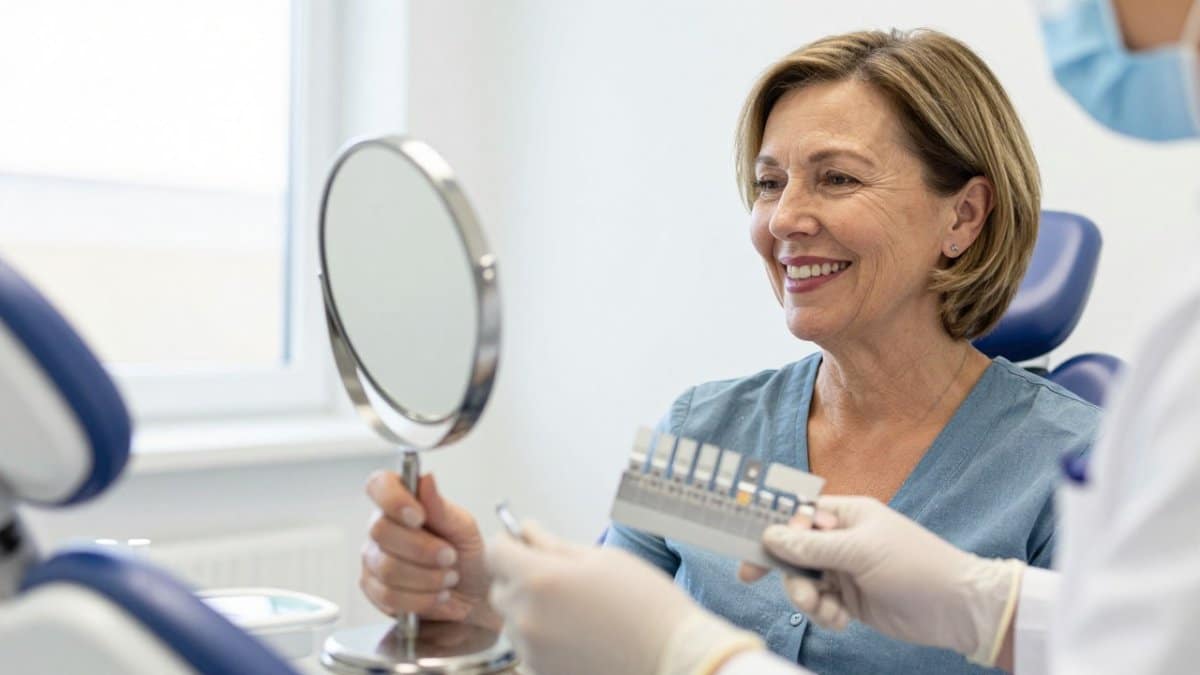
A common disappointment reported with veneers is that they look too opaque or too bulky. This is often linked to rushed planning rather than the material, which is why agreeing shade, shape and proportion before anything permanent happens is important.
If you are ready to plan properly, our step-by-step smile makeover guide walks through each stage from first appointment to final fit.
How to Care for Porcelain Veneers and Maintain Oral Health
Caring for porcelain veneers is close to caring for natural teeth: brush twice daily with a non-abrasive fluoride toothpaste, clean between the teeth daily, and attend regular dental checkups. Porcelain does not decay, but the tooth and gum beneath it can, so oral hygiene protects the veneer as much as the tooth.
A few habits extend lifespan:
- Avoid biting hard objects such as ice or pens
- Limit heavy staining drinks where you can
- Wear a night guard if you grind
- Report any sensitivity or a loose edge promptly rather than waiting
Veneer maintenance is not complicated, but it is not optional either. Skipping checkups can allow small problems to develop into larger ones.
Frequently Asked Questions
What are the main benefits of porcelain veneers?
Porcelain veneers offer cosmetic and functional improvements: they whiten and brighten tooth colour, conceal chips, cracks and worn edges, close minor gaps and correct unevenness. Their translucency mimics natural enamel, so results look natural. They are generally regarded as more resistant to staining from tea, coffee and red wine than composite bonding. With good care, they can last many years. Veneers can also help protect damaged enamel.
How long do porcelain veneers last?
Porcelain veneers are often described as lasting between 10 and 15 years, with some lasting longer depending on care. Longevity depends on oral hygiene, diet, bite forces and habits such as tooth grinding. Regular dental checkups and wearing a night guard if you grind your teeth can extend their life. When they do wear out, replacement is usually straightforward but requires the same preparation process.
Do porcelain veneers look natural?
Yes, when planned well. Porcelain is chosen for its translucency, which mimics the light-reflecting qualities of natural tooth enamel. A skilled dentist matches the shade, shape and surface texture to your other teeth. The custom-made shells are bonded to the front surface of teeth, so they blend in. Before and after images can give a general sense of possible results, though outcomes vary between individuals.
How do you care for porcelain veneers?
Care for porcelain veneers much like natural teeth: brush twice daily with a non-abrasive fluoride toothpaste, floss daily, and attend regular dental checkups. Avoid biting hard objects like fingernails or pens, and wear a night guard if you grind your teeth. Limit staining drinks such as coffee and red wine, and rinse with water after consuming them. Good oral hygiene helps protect both the veneers and the underlying tooth.
If you are considering a smile makeover, the first step is a conversation, not a commitment. At Smile Design Studio, we offer personalised treatment plans, clear communication about what each option involves, and a patient-centred approach that takes nervous patients seriously. Get started with Smile Design Studio and book an appointment to discuss whether porcelain veneers are right for you.

Related posts