Why Teeth Whitening Causes Sensitivity
Why Teeth Whitening Causes Sensitivity
Table of Contents
- How Teeth Whitening Causes Sensitivity
- Is Sensitivity After Whitening Normal?
- How Long Does Teeth Whitening Sensitivity Last?
- Can Teeth Whitening Cause Permanent Sensitivity?
- How to Reduce Sensitivity After Teeth Whitening
- Teeth Whitening Without Sensitivity: Product and Method Choices
- Whitening Toothpaste and Sensitive Teeth: What You Need to Know
- When Sensitivity Might Signal a Separate Dental Problem
- Frequently Asked Questions
Last Updated: October 5, 2026
How Teeth Whitening Causes Sensitivity
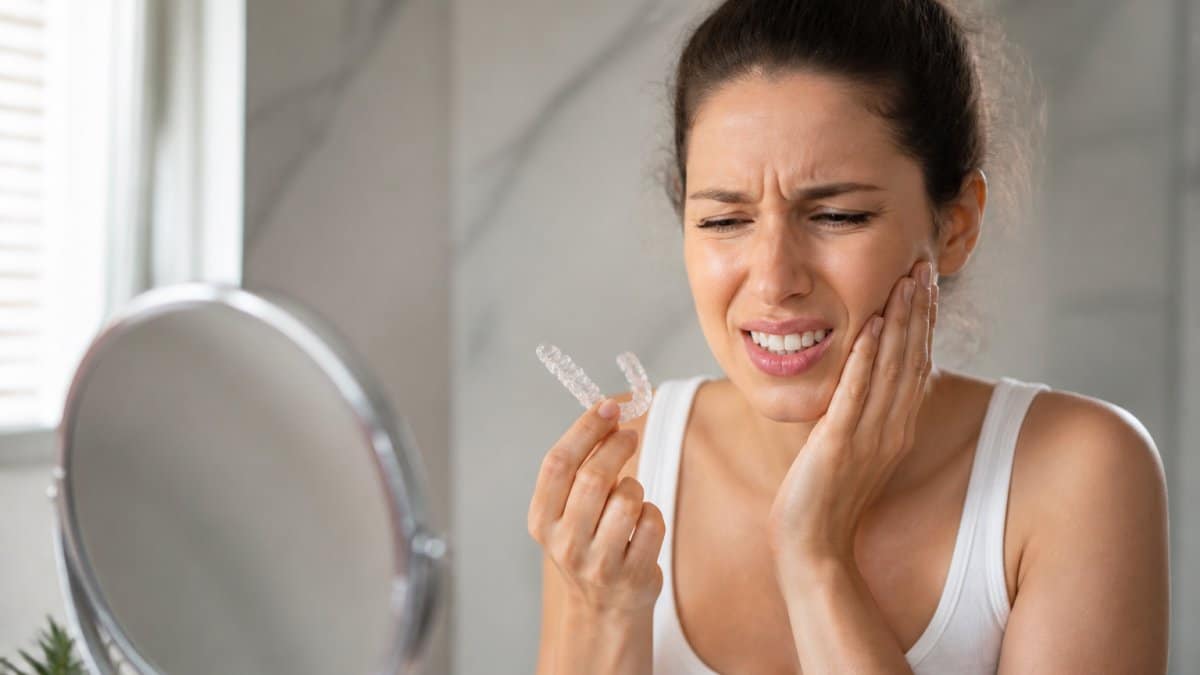
Why teeth whitening causes sensitivity is one of the most common concerns patients ask about at Smile Design Studio. The answer lies in how whitening gels work and what happens to your tooth structure during the process.
Teeth whitening causes sensitivity because whitening agents temporarily alter how your teeth respond to external stimuli. When you use a whitening gel, it penetrates the tooth surface and works on the pigments inside. This process changes the way your teeth behave, and that change can cause discomfort.
The role of peroxide in whitening gels
Whitening gels contain peroxide as the active ingredient. Hydrogen peroxide is what actually bleaches the stains and discolouration from your teeth. It’s effective, but it comes with a trade-off.
Peroxide breaks down stains by creating chemical reactions inside the tooth. As it does this, it can irritate the sensitive inner structures of your tooth. The gel sits on your tooth surface and seeps inward. This process is what makes whitening work, but it’s also what triggers sensitivity in many people.
The concentration of peroxide matters. Higher concentrations work faster but cause more irritation. Lower concentrations are gentler but take longer to show results. Professional whitening typically uses stronger peroxide than at-home kits, which is why professional treatments can cause more immediate sensitivity.
Temporary changes in enamel permeability
Your tooth enamel has microscopic pores. These pores normally stay relatively closed. When you apply whitening gel, the peroxide temporarily opens these pores wider. This is how the whitening agent reaches the deeper layers of your tooth.
The problem is that opening these pores makes your tooth more permeable. External stimuli, hot drinks, cold water, acidic foods, can now reach the inner part of your tooth more easily. This is why sensitivity often happens during and right after whitening.
The good news is this change is temporary. Your enamel’s pores close back up over time. Once they do, sensitivity usually fades. This temporary permeability is the main reason most whitening sensitivity goes away within a few days to a week.
How the whitening process irritates the tooth nerve
Inside your tooth is a structure called the pulp. The pulp contains the nerve. When peroxide seeps through the temporary pores in your enamel, it can reach the dentin, the layer just inside your enamel. Dentin is much softer than enamel and contains tiny tubes that lead to the nerve.
When peroxide irritates the dentin, it can trigger a response from the nerve. This nerve response is what you feel as sensitivity or discomfort. It’s not damage, it’s irritation. The nerve is reacting to the chemical and the exposure.
Temperature changes make this worse. When you drink something hot or cold, the temperature travels down those exposed dentin tubes and stimulates the nerve. This is why cold sensitivity is so common after whitening.
Is Sensitivity After Whitening Normal?
Yes, sensitivity after whitening is very normal. Most people who whiten their teeth experience some level of sensitivity. You’re not alone, and it doesn’t mean something has gone wrong.
Sensitivity after whitening is a sign that the whitening gel has done its job. It reached the inner parts of your tooth and changed the pigment.
The fact that sensitivity happens shows your teeth are responding to the treatment. If you felt nothing at all, the whitening might not be working. Some sensitivity is expected and manageable.
However, there’s a difference between normal sensitivity and severe pain. Normal sensitivity feels like a sharp twinge when you drink something cold or hot. Severe pain that doesn’t go away is different and should be checked by a dentist.
How Long Does Teeth Whitening Sensitivity Last?
Most people find that teeth whitening sensitivity lasts between 24 hours and one week. Some experience it for just a few days. Others notice it for up to two weeks.
The timeline depends on several factors. How long your sensitivity lasts depends on how sensitive your teeth were before whitening, how strong the whitening gel was, and how you care for your teeth during recovery.
Factors that influence recovery time
Your baseline sensitivity: If your teeth were already sensitive before whitening, recovery takes longer. Your dentin is already more exposed.
The whitening method used: Professional whitening with high-concentration peroxide causes more sensitivity but fades faster, usually within three to five days.
How long you left the gel on: Longer application times cause more irritation. If you followed the instructions carefully, recovery is faster.
Your aftercare routine: What you do after whitening affects how quickly sensitivity fades. Using desensitizing toothpaste, avoiding acidic foods, and not using whitening products again too soon all help speed recovery.
Frequency of treatments: If you whiten your teeth once and then wait, sensitivity fades quickly. If you whiten repeatedly without waiting, sensitivity builds up and takes longer to resolve.
Can Teeth Whitening Cause Permanent Sensitivity?
No, teeth whitening does not cause permanent sensitivity in most cases. The sensitivity is temporary because the changes to your tooth structure are temporary.
Your enamel’s pores close back up. Your dentin becomes less exposed. Your nerve stops being irritated. Once these things happen, the sensitivity goes away.
However, there are two important caveats. First, repeated whitening over time can make your teeth more prone to sensitivity in general.
Second, if you already have significant enamel erosion or gum recession, whitening sensitivity may take longer to fade. Your dentin is already more exposed.
The key is moderation. Whitening your teeth once or twice a year is safe for most people.
If your sensitivity doesn’t fade after two weeks, contact your dentist.
How to Reduce Sensitivity After Teeth Whitening
Managing sensitivity after whitening is straightforward. You can start before you whiten, continue during the process, and support your teeth afterward.
Before whitening: preparation and risk assessment
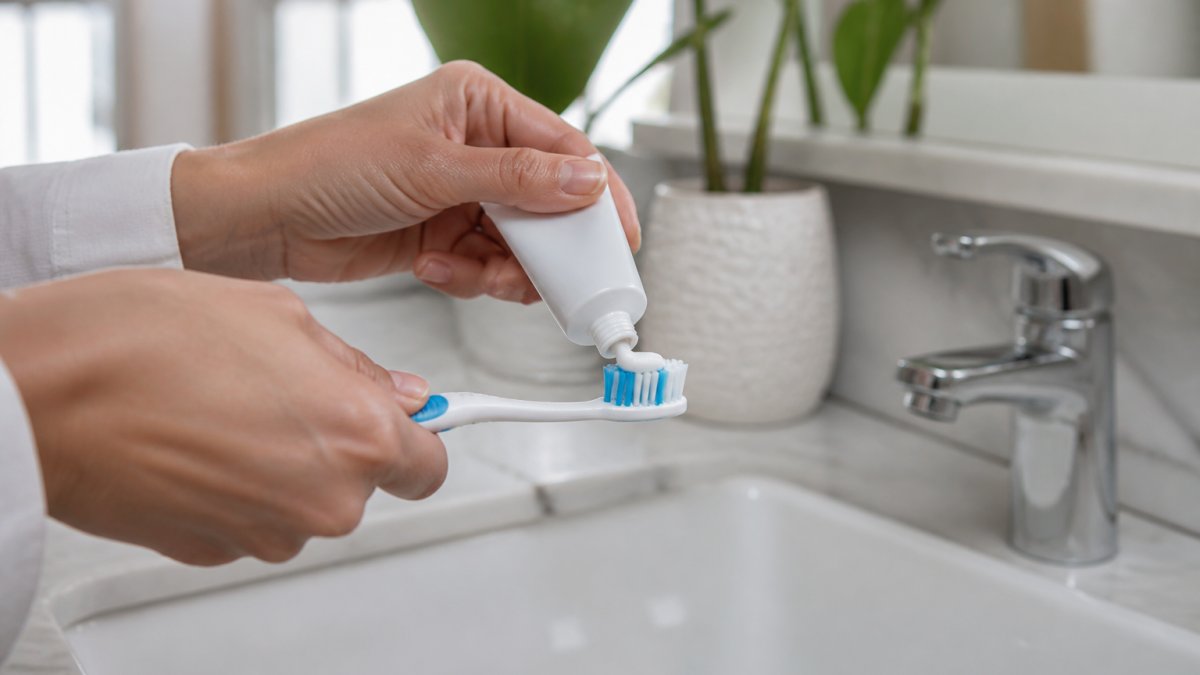
Start preparing your teeth at least one week before whitening. Switch to a desensitizing toothpaste. These products contain ingredients like potassium nitrate or strontium chloride that block sensation in the dentin.
Check your gum health. If your gums are inflamed or receding, tell your dentist before whitening. Whitening gel can irritate exposed gum tissue. Your dentist may recommend waiting or using a protective barrier.
Avoid acidic foods and drinks for a few days before whitening. Acidic substances soften your enamel temporarily. Softer enamel allows whitening gel to penetrate faster and cause more irritation. Acidic foods include citrus fruits, wine, vinegar, and fizzy drinks.
Don’t brush aggressively before whitening. Aggressive brushing can damage your enamel and expose dentin. Use a soft toothbrush and gentle circular motions.
During and after: managing discomfort
Follow the instructions exactly. Don’t leave whitening gel on longer than recommended.
If sensitivity starts during whitening, remove the gel immediately. You can always whiten again another day. Pushing through severe discomfort isn’t necessary.
After whitening, use desensitizing toothpaste for at least one week. Apply it directly to sensitive areas before bed. Leave it on overnight for maximum effect.
Avoid very hot or very cold foods and drinks for the first few days. Room-temperature or lukewarm options are better. Avoid acidic foods and drinks.
Don’t use whitening products again for at least two weeks. Your teeth need time to recover.
Rinse your mouth with water after meals. This removes acid and prevents it from sitting on your teeth.
Teeth Whitening Without Sensitivity: Product and Method Choices
Not all whitening methods cause the same level of sensitivity. Choosing the right approach can reduce discomfort significantly.
Lower-concentration whitening options
Whitening strips and at-home trays with lower peroxide concentrations cause less sensitivity. They work more slowly, usually taking two to three weeks to show results, but the discomfort is minimal.
Whitening toothpaste is the gentlest option. It contains very low concentrations of whitening agents. Sensitivity is rare, but results are also subtle. You might see slight improvement in shade over several weeks.
Whitening mouthwash is similar to toothpaste. It’s convenient and causes minimal sensitivity. Results are gradual.
Professional whitening versus at-home treatments
Professional whitening uses higher concentrations and produces faster results. You see dramatic whitening in one or two sessions. The trade-off is more sensitivity, usually lasting three to seven days.
At-home treatments are milder. They cause less sensitivity because the concentration is lower and you control the exposure time. Results take longer but sensitivity is manageable.
If you have a history of sensitive teeth, at-home treatments are often the better choice. You can whiten gradually and stop if sensitivity becomes uncomfortable. Professional whitening is faster but requires more tolerance for discomfort.
At Smile Design Studio, we help patients choose the method that matches their sensitivity level and goals. There’s no single right answer, it depends on your teeth and your preferences.
Whitening Toothpaste and Sensitive Teeth: What You Need to Know
Whitening toothpaste is appealing because it’s convenient and affordable. You use it like regular toothpaste. But does it work? And is it safe for sensitive teeth?
Whitening toothpaste contains mild abrasives and low concentrations of whitening agents. It works by gently removing surface stains.
For sensitive teeth, whitening toothpaste is generally safe. The concentration is so low that sensitivity is rare.
The downside is that results are slow. If you want noticeable whitening, whitening toothpaste alone usually isn’t enough. It works best as a maintenance tool after professional whitening.
If you use whitening toothpaste, use it only once or twice daily. Using it more frequently doesn’t speed results and increases the risk of sensitivity.
When Sensitivity Might Signal a Separate Dental Problem
Most sensitivity after whitening is normal and temporary. But sometimes sensitivity indicates a different problem that needs attention.
Contact your dentist if sensitivity lasts more than two weeks after whitening. This could mean your dentin is more exposed than expected.
Sensitivity in one specific tooth is different from general sensitivity. If only one tooth hurts after whitening, it might have a cavity or a crack.
Severe pain, not just discomfort, but sharp or throbbing pain, is a warning sign. This could indicate nerve irritation that goes beyond normal whitening sensitivity.
If you have gum recession, whitening sensitivity may be worse and last longer.
If sensitivity started before whitening and whitening made it much worse, your teeth may have underlying issues.
Frequently Asked Questions
Can I whiten my teeth without causing sensitivity?
Yes, sensitivity risk can be reduced through careful product selection and preparation. Professional whitening with lower peroxide concentrations, pre-treatment with desensitising toothpaste, and avoiding overuse of at-home kits all help minimise discomfort. Starting with shorter application times or gentler formulations gives your teeth time to adapt. A dental assessment before whitening identifies pre-existing sensitivity or enamel concerns that might increase your risk.
How long will sensitive teeth last after whitening?
Sensitivity typically subsides within a few days to two weeks after treatment. Most people experience temporary discomfort as enamel permeability returns to normal. However, recovery time varies based on the whitening method used, product concentration, your individual enamel thickness, and whether you had pre-existing sensitivity. If sensitivity persists beyond three weeks or worsens, contact your dentist to rule out underlying issues.
Why do dentists caution against using whitening toothpaste if I have sensitive teeth?
Whitening toothpastes contain abrasive particles or mild bleaching agents that can irritate already-sensitive dentin and gum tissue. For sensitive teeth, standard desensitising toothpaste with fluoride is more appropriate, as it blocks microscopic pores in the dentin and reduces nerve response to external stimuli. If whitening is desired, a dentist can recommend lower-concentration options or professional treatments better suited to sensitive teeth.
Can teeth whitening cause permanent sensitivity?
Permanent sensitivity from whitening is rare when treatments are used correctly. The sensitivity that follows whitening is typically temporary, caused by reversible changes in enamel permeability rather than lasting structural damage. However, overuse of high-concentration whitening products, repeated treatments without breaks, or neglecting pre-existing gum disease can increase the risk of prolonged discomfort. A professional dental assessment before whitening helps identify whether your teeth are suitable for treatment.
Teeth whitening sensitivity is common, manageable, and usually temporary. Understanding why it happens helps you prepare and recover effectively. At Smile Design Studio, we assess your individual sensitivity risk before whitening and recommend the approach that works best for your teeth. If you’re concerned about sensitivity or want to explore whitening options tailored to your needs, book an appointment with our team. We’ll help you achieve a brighter smile with minimal discomfort.
Related posts